Petroleum and Petrochemical Engineer
Also known as: Petroleum Engineer, Petrochemical Engineer, Oil and Gas Engineer, Refining Engineer
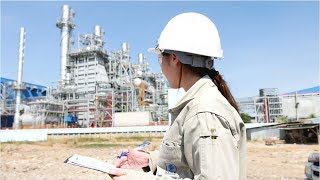
Petroleum and petrochemical engineers are the masterminds behind extracting oil and natural gas, and then transforming these raw materials into the countless products we use every day, from fuels to plastics. They design, develop, and manage the processes that bring these essential resources from deep within the Earth to your hands, always with an eye on safety, efficiency, and environmental responsibility.
14
Skills to Learn
4
Career Levels
7
Top Companies
2
Education Paths
Sneak Peek
Ever wondered where the energy that powers our homes, cars, and industries comes from? What if you could be at the forefront of discovering and refining the resources that keep our world moving?
What does a Petroleum and Petrochemical Engineer do?
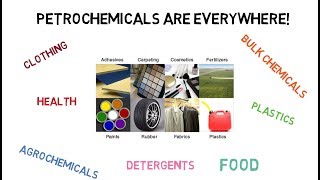
They design, develop, and manage processes for extracting oil and gas, and also for transforming crude oil and natural gas into useful products like plastics, fertilizers, and synthetic materials.
- Salary in India
- ₹6 to ₹37.5 lakh a year
- Demand
- Growing
- Remote work
- Hybrid
- Industry
- Information Technology
Is This Career For You?
Discover if your personality matches this career
Your Personality Fit (RIASEC)
You are curious and analytical, enjoying research and understanding complex systems like how oil and gas are formed and extracted.
You enjoy hands-on work and practical problem-solving, like designing and testing equipment.
You appreciate structure, organization, and detailed processes, which are essential for managing complex engineering projects and data.
You might find satisfaction in leading projects, managing resources, and making impactful decisions within the energy sector.
While teamwork is involved, the role is less focused on direct helping or service compared to other professions.
This career typically involves less emphasis on artistic expression and creativity.
You'll Love This Career If...
Like what you see? Get full access.
Save this career, compare with others, and get your personalized career plan.
50,000+ students already signed up
A Day in the Life
What your typical workday looks like
Imagine starting your day by reviewing data from an oil rig or a chemical plant, perhaps checking on equipment performance or analyzing the results of a new refining process. You might then head out to a site to oversee a drilling operation, ensuring everything runs smoothly and safely, or spend time in the lab working on ways to make a chemical process more efficient. Your day could involve collaborating with a team of geologists, chemists, and technicians, using advanced technology to solve challenges, and then documenting your findings and plans for the future.
Myth vs Reality
Tap to reveal the truth behind common misconceptions
Skills You'll Need
Master these to excel in this career
Technical Skills
10Drilling engineering and rig operations
Knowledge of drilling techniques and rig operations.
Reservoir simulation & modeling
Using software like PETREL and Eclipse for reservoir analysis.
Oilfield instrumentation and measurements
Understanding of instruments used in oilfield measurements.
Downhole tools and completions
Knowledge of downhole tools and completion techniques.
Offshore platform operations
Understanding of operations on offshore platforms.
Geosteering and seismic interpretation
Skills in geosteering and interpreting seismic data.
Data analysis using Python/MATLAB
Using Python or MATLAB for data analysis.
SCADA systems and automation tools
Knowledge of SCADA systems and automation tools.
GIS & remote sensing for exploration
Using GIS and remote sensing for exploration activities.
AI/ML in predictive maintenance and reservoir analysis
Applying AI/ML techniques for predictive maintenance and reservoir analysis.
Soft Skills
4Project management and cost control
Skills in project management and cost control.
Health, Safety & Environment (HSE) compliance
Understanding of HSE compliance requirements.
Team coordination in offshore/onshore setups
Ability to coordinate teams in offshore or onshore environments.
Communication and report writing for regulators and clients
Skills in communication and report writing for stakeholders.
Tools of the Trade
Software and tools you'll work with daily
Software
Drilling and Production Software
Used to simulate, model, and manage the extraction of oil and gas.
Reservoir Simulation Software
Helps predict how oil and gas will flow from underground reservoirs.
Geographic Information Systems (GIS)
Used for mapping and analyzing geological data and operational sites.
CAD Software
For designing and modeling equipment, pipelines, and facilities.
Process Simulation Software
Models and optimizes chemical processes in petrochemical operations.
Platform
Data Analysis Platforms
Tools for processing and interpreting large datasets related to exploration and production.
Hardware
Field Sensors and Measurement Devices
Collect real-time data on pressure, temperature, flow rates, and equipment status.
Want to build these skills?
Get a personalized learning roadmap and save careers that match your profile.
50,000+ students already signed up
Your Learning Path
Step-by-step guide to getting started
Explore the Basics of Science and Math
Build a strong foundation by focusing on subjects like physics, chemistry, calculus, and algebra in high school. These are the building blocks for understanding engineering principles.
Learn About the Energy Industry
Read articles and watch videos about the oil and gas industry, its importance, and the different roles within it. Understand the journey from exploration to refining.
Get Hands-On Experience (Internships/Projects)
Look for opportunities like internships, job shadowing, or science fair projects related to engineering or the energy sector. Practical experience is invaluable.
Pursue a Degree in Petroleum Engineering or a Related Field
Enroll in a university program for Petroleum Engineering or a closely related field like Chemical or Mechanical Engineering, focusing on energy-related coursework.
Career Progression
How your career will grow over time
Junior Engineer
EntryNewly graduated engineers starting their careers. They assist senior engineers in various tasks.
- Assisting in the design and implementation of petroleum extraction processes
- Conducting field visits and data collection
- Analyzing data and preparing reports
Engineer
Mid-LevelExperienced engineers who take on more responsibilities and lead smaller projects.
- Leading small-scale projects
- Developing extraction plans
- Ensuring safety protocols are followed
Senior Engineer
SeniorHighly experienced engineers who manage larger projects and mentor junior engineers.
- Managing large-scale projects
- Mentoring junior engineers
- Ensuring project deadlines are met
Chief Engineer
LeadershipTop-level engineers who oversee entire operations and strategic planning.
- Overseeing entire operations
- Strategic planning
- Ensuring company-wide safety standards are met
Education Paths
Bachelor's Degree
B.Tech
Petroleum Engineering
Master's Degree
M.Tech
Petroleum Engineering
Top Hiring Companies
Salary & Future Growth
What you can earn and where the industry is headed
Salary Progression (INR)
Future Career OutlookCurrent Market: Growing
The demand for petroleum and petrochemical engineers is tied to the global energy market. While there's a push towards cleaner energy, oil and gas remain crucial for various industries, including plastics, chemicals, and manufacturing. This suggests a continued need for engineers who can optimize existing processes and develop more sustainable solutions within the sector.
The long-term outlook involves navigating the energy transition. Engineers will be essential in developing and implementing technologies for carbon capture, reducing emissions in traditional operations, and exploring new materials and processes for a lower-carbon future. Petrochemical demand, especially for plastics and advanced materials, is expected to remain strong, supporting job growth.
As the world shifts towards sustainable energy sources, the role of petroleum and petrochemical engineers may evolve. There will likely be a greater focus on managing the decline of traditional fossil fuels, environmental remediation, and developing innovative materials and chemical processes that align with a circular economy and net-zero goals. Adaptability and a focus on new technologies will be key.
Not sure if Petroleum and Petrochemical Engineer is right for you?
Talk to a Stride counsellor for personalised guidance on whether this career fits your interests, strengths, and goals.
Watch & Learn
Curated videos to help you explore


Helpful Resources
Articles and guides for deeper learning
Frequently Asked Questions
Quick answers to common questions
QWhat kind of skills are needed for this job?
Key skills include strong analytical and problem-solving abilities, knowledge of chemistry and physics, proficiency in engineering software, and good communication skills to work in teams and present findings.
QIs this a safe job?
Safety is a top priority in this field. Engineers work with strict safety protocols and regulations to minimize risks associated with handling hazardous materials and operating complex machinery.
QWhat is the difference between petroleum and petrochemical engineering?
Petroleum engineers focus on the extraction of oil and gas from the earth, while petrochemical engineers focus on converting these raw materials into valuable chemical products.
Explore All 1,500+ Careers
Browse our full career explorer or take an assessment to get personalised recommendations.