Electrician
Also known as: Sparky, Wireman, Electrical Technician
As an electrician, you are the go-to expert for designing, installing, repairing, and maintaining electrical systems in homes, businesses, and factories. You’ll work with everything from simple wiring and lighting to complex power systems, making sure everything is up to code and running smoothly. It’s a hands-on job that requires careful attention to detail and a knack for problem-solving.
10
Skills to Learn
4
Career Levels
5
Top Companies
3
Education Paths
Sneak Peek
Ever wondered how the lights turn on, or how your phone charges? Electricians are the skilled professionals who make all of that happen, ensuring our world is powered safely and efficiently. If you enjoy working with your hands and solving practical puzzles, this could be the career for you!
What does an Electrician do?
You are the go-to expert for designing, installing, repairing, and maintaining electrical systems in homes, businesses, and factories. You’ll work with everything from simple wiring and lighting to complex power systems, making sure everything is up to code and running smoothly. It’s a hands-on job that requires careful attention to detail and a knack for problem-solving.
- Salary in India
- ₹3 to ₹8 lakh a year
- Demand
- Growing
- Remote work
- Location-Bound
- Industry
- Electricity
Is This Career For You?
Discover if your personality matches this career
Your Personality Fit (RIASEC)
You enjoy working with your hands and with tools to build or fix things.
You like solving problems and figuring out how things work.
You prefer structured tasks and following specific codes and regulations.
You are interested in leadership and management, which can develop later in the career path.
You enjoy helping others and working in team settings, though direct client interaction is less frequent.
You have an appreciation for aesthetics, but this role is more about function than artistic creation.
You'll Love This Career If...
Like what you see? Get full access.
Save this career, compare with others, and get your personalized career plan.
50,000+ students already signed up
A Day in the Life
What your typical workday looks like
Your day might start with a service call to a home with flickering lights. After diagnosing the issue by checking the wiring and breaker box, you’ll explain the problem and the solution to the homeowner. Later, you could be on a construction site, installing the electrical framework for a new building alongside other tradespeople. You might also spend time in an office reviewing blueprints or ordering supplies for upcoming projects.
Myth vs Reality
Tap to reveal the truth behind common misconceptions
Skills You'll Need
Master these to excel in this career
Technical Skills
6Programming Languages
Knowledge of programming languages like Python, C, or Java.
Circuit Design
Understanding of circuit design and electronic components.
Control Systems
Understanding of control systems and automation.
IoT and Embedded Systems
Familiarity with IoT and embedded systems.
Data Analysis
Skills in data analysis and machine learning.
Robotics and Automation
Knowledge of robotics and automation technologies.
Soft Skills
3Project Management
Ability to manage projects and coordinate teams.
Communication Skills
Effective communication skills for technical and non-technical stakeholders.
Continuous Learning
Commitment to continuous learning and adaptability.
Domain Skills
1Power Systems
Knowledge of power systems and electrical distribution.
Tools of the Trade
Software and tools you'll work with daily
Hardware
Wire strippers
Used to remove the insulation from electrical wires without damaging the conductor.
Pliers
Used for gripping, bending, and cutting wires and small components.
Screwdrivers
Used for turning screws to connect or disconnect electrical components.
Multimeter
Measures voltage, current, and resistance to test electrical circuits.
Voltage tester
Checks if an electrical circuit is live or de-energized before work begins.
Conduit bender
Shapes metal or plastic tubing (conduit) to protect electrical wires.
Software
National Electrical Code (NEC)
A standardized set of rules and guidelines for safe electrical installations, essential for compliance and licensing.
Want to build these skills?
Get a personalized learning roadmap and save careers that match your profile.
50,000+ students already signed up
Your Learning Path
Step-by-step guide to getting started
Build Foundational Knowledge
Focus on high school subjects like math (algebra, geometry) and physics. Consider introductory vocational courses in electronics or shop class to get a feel for hands-on work.
Formal Training or Apprenticeship
Enroll in a trade school's electrical program for certificates or diplomas, or apply for an electrician apprenticeship. Apprenticeships combine on-the-job training with classroom instruction, usually lasting 4-5 years.
Gain On-the-Job Experience and Get Licensed
Complete your apprenticeship, accumulating thousands of hours of supervised work. Study for and pass your state's licensing exam to become a journeyman electrician.
Specialize and Advance Your Career
Work as a journeyman to gain experience, then consider specializing in areas like industrial, commercial, or renewable energy systems. With more experience, you can move into master electrician or contractor roles.
Career Progression
How your career will grow over time
Apprentice Electrician
EntryBeginner-level electrician gaining hands-on experience under supervision.
- Assisting in electrical installations
- Learning about electrical codes and safety protocols
- Performing basic repairs under guidance
Journeyman Electrician
Mid-LevelExperienced electrician capable of working independently on various projects.
- Installing and maintaining electrical systems
- Reading and interpreting blueprints
- Ensuring compliance with electrical codes
Senior Electrician
SeniorHighly skilled electrician with extensive experience and expertise.
- Supervising junior electricians
- Managing complex electrical projects
- Providing technical guidance and training
Master Electrician
LeadershipTop-level electrician with leadership responsibilities and business acumen.
- Overseeing electrical operations
- Leading project teams
- Ensuring safety and quality standards in electrical work
Education Paths
Lower Secondary
Upper Secondary
Post-Secondary Certificate/Diploma
Certificate
Electrical Technology
Top Hiring Companies
Salary & Future Growth
What you can earn and where the industry is headed
Salary Progression (INR)
Future Career OutlookCurrent Market: Growing
The demand for electricians is strong and projected to grow, with employment expected to increase by 11% from 2023 to 2033, which is faster than the average for all occupations. This growth is driven by advancements in building technologies, infrastructure upgrades, and the expansion of renewable energy. With 80,200 job openings projected each year for the next decade, the outlook is very positive.
The long-term outlook for electricians remains robust. The ongoing transition to renewable energy sources, the need for infrastructure maintenance and upgrades, and the increasing complexity of building technologies will continue to drive demand. The aging workforce also contributes to a steady need for new electricians.
Electricians will continue to be essential as technology evolves. Their hands-on expertise is crucial for installing, maintaining, and repairing the electrical systems that power everything from smart homes to renewable energy grids. The demand is expected to remain high, ensuring long-term career stability.
Not sure if Electrician is right for you?
Talk to a Stride counsellor for personalised guidance on whether this career fits your interests, strengths, and goals.
Watch & Learn
Curated videos to help you explore



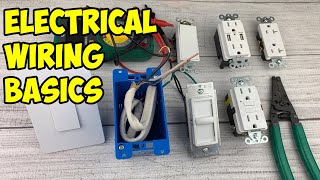


Helpful Resources
Articles and guides for deeper learning
Frequently Asked Questions
Quick answers to common questions
QWhat is the typical education or training path for an electrician?
Most electricians learn through a combination of classroom instruction and on-the-job training, often through a 4-5 year apprenticeship program. Some may also attend trade or technical schools.
QWhat are the salary expectations for an electrician?
The median annual wage for electricians was around $61,590 in May 2023, with potential for higher earnings based on experience, location, and specialization. Apprentices earn while they learn.
QAre there opportunities for electricians in renewable energy?
Yes, the renewable energy sector is a significant growth area for electricians. They are needed to install and maintain solar panels, wind turbines, and battery storage systems.
QCan electricians work remotely?
Generally, no. Electricians typically need to be on-site to perform installations, repairs, and maintenance, making this a location-bound profession.
QWhat are some common myths about being an electrician?
A common myth is that it's just manual labor with no need for smarts. In reality, electricians need strong problem-solving skills, an understanding of complex systems, and continuous learning to keep up with technology.
Explore All 1,500+ Careers
Browse our full career explorer or take an assessment to get personalised recommendations.