Welder
Also known as: Welder, Welding Technician, Metal Fabricator
Welders are skilled professionals who join metal parts together using heat and pressure, creating everything from sturdy bridges and powerful vehicles to advanced aerospace components. They are essential in many industries, ensuring that structures and machines are built strong and reliable.
7
Skills to Learn
5
Career Levels
5
Top Companies
3
Education Paths
Sneak Peek
Ever wondered how those massive bridges stay up, or how intricate metal parts are crafted for rockets and race cars? Welding is the art and science that makes it all possible!
What does a Welder do?
Welders are skilled professionals who join metal parts together using heat and pressure, creating everything from sturdy bridges and powerful vehicles to advanced aerospace components. They are essential in many industries, ensuring that structures and machines are built strong and reliable.
- Salary in India
- ₹3 to ₹7.5 lakh a year
- Demand
- Stable
- Remote work
- Location-Bound
- Industry
- Manufacturing
Is This Career For You?
Discover if your personality matches this career
Your Personality Fit (RIASEC)
You enjoy working with your hands, tools, and machinery to build or fix things.
You like solving problems and figuring out how things work, often involving technical details.
You can appreciate following procedures, working with technical specifications, and maintaining equipment.
You might take initiative in projects or manage your own work, especially in smaller shops.
While not the primary focus, creativity can be applied in designing solutions or creating custom metalwork.
This role can involve teamwork, but direct social interaction isn't the main focus.
You'll Love This Career If...
Like what you see? Get full access.
Save this career, compare with others, and get your personalized career plan.
50,000+ students already signed up
A Day in the Life
What your typical workday looks like
Imagine starting your day by reviewing blueprints for a new project, then heading to your workstation. You’ll carefully prepare metal pieces, set up your welding equipment, and then, with intense focus and a steady hand, fuse the metals together. Throughout the day, you’ll constantly check your work for quality, ensuring strong, clean welds, while always prioritizing safety.
Myth vs Reality
Tap to reveal the truth behind common misconceptions
Skills You'll Need
Master these to excel in this career
Technical Skills
4Welding Techniques
Proficiency in various welding methods such as MIG, TIG, and Stick welding.
Blueprint Reading
Ability to interpret and understand technical drawings and specifications.
Safety Protocols
Knowledge of safety procedures and the ability to maintain a safe work environment.
Problem-Solving
Capability to troubleshoot and resolve welding issues effectively.
Soft Skills
2Attention to Detail
Meticulousness in ensuring the quality and precision of welded joints.
Team Collaboration
Ability to work effectively with other trades and team members on construction projects.
Domain Skills
1Construction Materials
Understanding of different materials used in construction and their welding properties.
Tools of the Trade
Software and tools you'll work with daily
Hardware
Welding machine (MIG, TIG, Stick)
The primary device used to generate heat and fuse materials together.
Shielding gas and cylinder
Protects the weld area from atmospheric contamination.
Consumable electrodes
Wires that produce the electric arc for melting materials.
Welding helmet
Protects the welder's face, eyes, and skin from sparks, heat, and UV/infrared light.
Safety glasses
Provide eye protection, especially in lower-spark situations or as an underlayer.
Welding gloves
Protect hands from sparks, flames, and heat.
Welding boots
Protect feet from molten metal, debris, and common workplace hazards.
Welding jacket
Protects the torso and arms from sparks, flames, and heat.
Welding sleeves
Provide protection for the arms, often used for greater range of motion.
Welding apron
Protects the front of the body from sparks and metal splatter.
MIG pliers
Used for various tasks like removing nozzle tips and clipping wire.
Welding magnets
Strong magnets used to hold metal pieces in place during welding.
C clamps
Used to securely hold workpieces in position.
Want to build these skills?
Get a personalized learning roadmap and save careers that match your profile.
50,000+ students already signed up
Your Learning Path
Step-by-step guide to getting started
Get a Basic Understanding
Start by learning about the different types of welding (like MIG, TIG, and Stick) and the fundamental principles of joining metals. You can find introductory videos and articles online.
Explore Welding Programs
Look into vocational schools or community colleges that offer welding certifications. These programs provide hands-on training and cover safety, different welding techniques, and blueprint reading.
Gain Practical Experience
During your training, focus on practicing the skills learned. Many programs include internships or apprenticeships where you can work alongside experienced welders and learn on the job.
Specialize and Get Certified
Once you have a good foundation, you can choose to specialize in a specific type of welding or industry. Obtain relevant certifications, which are often required by employers and can lead to better job opportunities.
Career Progression
How your career will grow over time
Welding Apprentice
EntryApprentices learn the basics of welding, including safety procedures and basic welding techniques. They work under the supervision of experienced welders.
- Assist experienced welders
- Learn safety procedures
- Practice basic welding techniques
Entry-Level Welder
EntryEntry-level welders perform basic welding tasks and gradually take on more complex projects. They continue to develop their skills and knowledge.
- Perform basic welding tasks
- Follow safety protocols
- Maintain welding equipment
Journeyman Welder
Mid-LevelJourneyman welders have more experience and can handle a wider range of welding projects. They may specialize in certain types of welding.
- Handle more complex welding projects
- Specialize in specific welding techniques
- Supervise apprentices
Senior Welder
SeniorSenior welders are highly skilled and experienced. They may oversee welding projects, train other welders, and ensure quality control.
- Oversee welding projects
- Train and mentor junior welders
- Ensure quality control
Welding Supervisor
LeadershipWelding supervisors manage a team of welders, coordinate projects, and ensure that all work meets quality standards.
- Manage a team of welders
- Coordinate welding projects
- Ensure quality standards are met
Education Paths
Upper Secondary
Post-Secondary Certificate/Diploma
Welding Technology
Associate Degree
Welding Engineering Technology
Top Hiring Companies
Salary & Future Growth
What you can earn and where the industry is headed
Salary Progression (INR)
Future Career OutlookCurrent Market: Stable
The job outlook for welders is projected to grow 2 percent from 2024 to 2034, which is slower than the average for all occupations. Despite this, there are still many job openings projected each year, mostly due to the need to replace workers who move to other jobs or retire.
Employment is projected to grow 2 percent from 2024 to 2034, slower than the average for all occupations. About 45,600 openings for welders, cutters, solderers, and brazers are projected each year, on average, over the decade. These openings are expected to result from the need to replace workers who transfer to different occupations or exit the labor force.
While specific long-term projections are limited, the continued need for infrastructure, manufacturing, and repair suggests ongoing demand for skilled welders. However, the increasing adoption of automation and robotics in welding may influence the nature and demand for traditional welding roles over the very long term.
Not sure if Welder is right for you?
Talk to a Stride counsellor for personalised guidance on whether this career fits your interests, strengths, and goals.
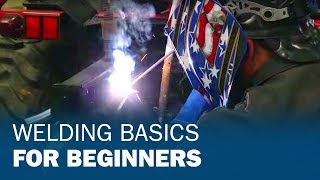
Watch & Learn
Curated videos to help you explore




Helpful Resources
Articles and guides for deeper learning
Frequently Asked Questions
Quick answers to common questions
QWhat are the biggest challenges for welders?
Welders face challenges such as exposure to hazardous fumes, intense light, and extreme heat. They often work in physically demanding positions and may have to lift heavy objects. Safety procedures and protective equipment are crucial to mitigate these risks. Additionally, the job can be physically taxing, requiring stamina and strength.
QWhat is the difference between a welder, cutter, solderer, and brazer?
While all involve working with metals, welders join metals by melting and fusing them together. Cutters use heat to trim or dismantle metal objects. Solderers and braziers join metals using a filler metal at lower temperatures than welding, with soldering typically used for smaller, more precise work like electronics, and brazing used for stronger joints, often with dissimilar metals.
QCan welders work with robots?
Yes, the field of welding is increasingly incorporating robotics, known as cobots (collaborative robots). These robots can automate repetitive or dangerous tasks, working alongside human welders who can guide, inspect, or oversee multiple stations. This combination enhances productivity and quality.
Explore All 1,500+ Careers
Browse our full career explorer or take an assessment to get personalised recommendations.