Embedded Developer
Also known as: Embedded Engineer, Firmware Engineer
Embedded developers are the creative minds who design, build, and test the specialized software that runs on microcontrollers and other computer systems within everyday devices. They
10
Skills to Learn
5
Career Levels
30
Top Companies
2
Education Paths
Sneak Peek
Have you ever wondered how your smartwatch tracks your steps or how a self-driving car navigates the road? Embedded developers are the masterminds behind the smart technology that powers these devices, making the impossible possible.
What does an Embedded Developer do?
Embedded developers are the creative minds who design, build, and test the specialized software that runs on microcontrollers and other computer systems within everyday devices.
- Salary in India
- ₹5 to ₹12 lakh a year
- Demand
- Growing
- Remote work
- Hybrid
- Industry
- Information Technology
Is This Career For You?
Discover if your personality matches this career
Your Personality Fit (RIASEC)
You enjoy working with your hands and on tangible projects, and you're comfortable with tools and machinery.
You are curious and like to solve problems through research and analysis.
You prefer organized environments and enjoy working with data and details.
You are persuasive and enjoy leading or influencing others.
You enjoy helping and interacting with people.
You prefer creative and self-expressive work over structured tasks.
You'll Love This Career If...
Like what you see? Get full access.
Save this career, compare with others, and get your personalized career plan.
50,000+ students already signed up
A Day in the Life
What your typical workday looks like
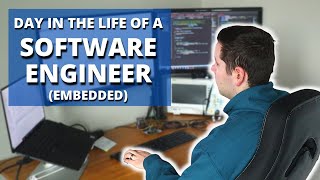
Imagine starting your day by diving into lines of code that control a robot arm, then moving on to debugging a tricky issue in a car
Myth vs Reality
Tap to reveal the truth behind common misconceptions
Skills You'll Need
Master these to excel in this career
Technical Skills
5Embedded C
A programming language optimized for embedded systems.
Microcontrollers
Small computer chips used in embedded systems.
RTOS
Real-Time Operating System for managing tasks in embedded systems.
Hardware Debugging
Identifying and fixing issues in embedded hardware.
System Architecture
Designing the overall structure of embedded systems.
Soft Skills
3Problem-Solving
Identifying and resolving complex issues in embedded systems.
Team Collaboration
Working effectively with other developers and engineers.
Continuous Learning
Staying updated with the latest technologies and trends.
Domain Skills
2Electronics Fundamentals
Understanding the basics of electronic components and circuits.
Embedded Systems Design
Designing and implementing embedded systems.
Tools of the Trade
Software and tools you'll work with daily
Software
C/C++
The primary programming languages used for writing embedded software due to their efficiency and control.
IDE (Integrated Development Environment)
Software used for writing, compiling, and debugging code, often specialized for embedded development.
RTOS (Real-Time Operating System)
An operating system designed to handle tasks with strict timing constraints.
Hardware
Microcontrollers (MCUs)
The small, dedicated computers on a chip that embedded software runs on.
JTAG/SWD Debuggers
Tools used to debug code directly on the microcontroller.
Sensors and Actuators
The physical components that embedded systems interact with to sense the environment and perform actions.
Want to build these skills?
Get a personalized learning roadmap and save careers that match your profile.
50,000+ students already signed up
Your Learning Path
Step-by-step guide to getting started
Master the Fundamentals of Programming
Start by learning C or C++, as these are the most common languages in embedded development. Focus on understanding variables, data types, control structures, functions, pointers, and memory management.
Understand Computer Architecture and Electronics Basics
Get familiar with how computers work at a basic level (CPU, memory, registers) and the fundamentals of electronics (circuits, sensors, microcontrollers). This will help you grasp how software interacts with hardware.
Explore Embedded Systems Concepts and Tools
Learn about microcontrollers, real-time operating systems (RTOS), communication protocols (like UART, I2C, SPI), and common development tools such as IDEs and debuggers. Start working with development boards.
Build and Debug Projects
Apply your knowledge by working on small embedded projects. Practice debugging your code on actual hardware, understanding performance constraints, and optimizing your software for efficiency and reliability.
Career Progression
How your career will grow over time
Embedded Developer Intern
EntryAssists in the development of embedded systems, gaining hands-on experience.
- Supporting senior developers
- Learning programming languages
- Basic hardware troubleshooting
Junior Embedded Developer
EntryBegins to take on independent projects, developing software for embedded systems.
- Writing code for embedded systems
- Testing and debugging software
- Collaborating with team members
Embedded Developer
Mid-LevelTakes on more complex projects, optimizing software for embedded systems.
- Designing and implementing embedded software
- Ensuring system efficiency and reliability
- Working with cross-functional teams
Senior Embedded Developer
SeniorLeads projects and teams, ensuring high-quality embedded systems.
- Leading project development
- Mentoring junior developers
- Ensuring system performance and reliability
Embedded Systems Architect
LeadershipDesigns the overall architecture of embedded systems, guiding the development process.
- Designing system architecture
- Overseeing project implementation
- Ensuring alignment with business goals
Education Paths
Bachelor's Degree
B.Tech/B.E.
Electronics and Communication Engineering, Computer Science, Electrical Engineering, Mechatronics, Instrumentation
Master's Degree
M.Tech/M.E.
Electronics and Communication Engineering, Computer Science, Electrical Engineering, Mechatronics, Instrumentation
Top Hiring Companies
Salary & Future Growth
What you can earn and where the industry is headed
Salary Progression (INR)
Future Career OutlookCurrent Market: Growing
The demand for embedded developers is currently strong, with companies actively seeking individuals skilled in integrating hardware and software to create the 'brains' behind smart devices. This role is crucial for industries like automotive, IoT, and consumer electronics, which are rapidly expanding.
Over the next 5-10 years, the role of embedded developers is expected to grow substantially. The increasing integration of connected devices in homes, cities, and industries, along with advancements in AI and IoT, will drive continuous demand. Expertise in areas like real-time operating systems, embedded AI, and cybersecurity for connected devices will be highly valued.
In the long term, embedded developers will remain essential as almost every device and system will likely incorporate some form of intelligent software. The evolution towards more complex and autonomous systems, coupled with the expanding reach of the Internet of Things (IoT), suggests a sustained and evolving demand for embedded systems expertise.
Not sure if Embedded Developer is right for you?
Talk to a Stride counsellor for personalised guidance on whether this career fits your interests, strengths, and goals.
Watch & Learn
Curated videos to help you explore


Helpful Resources
Articles and guides for deeper learning
Frequently Asked Questions
Quick answers to common questions
QWhat is an embedded developer?
An embedded developer is a programmer who creates software for devices that aren't traditional computers, like your smartphone, a smart TV, a car's computer system, or even a smart thermostat. This software is designed to perform specific tasks within these devices.
QWhat kind of skills do I need to become an embedded developer?
You'll need a strong foundation in programming languages like C and C++, an understanding of computer hardware and architecture, and knowledge of operating systems, especially real-time operating systems (RTOS). Problem-solving and debugging skills are also very important.
QIs it hard to find a job as an embedded developer?
The job market for embedded developers is generally strong due to the increasing number of smart devices. While entry-level positions might be competitive, experienced developers with in-demand skills are usually in high demand.
QCan embedded developers work remotely?
While some aspects of embedded development, like software design and testing, can be done remotely, many roles require hands-on work with hardware. Therefore, hybrid or on-site work arrangements are more common than fully remote positions.
Explore All 1,500+ Careers
Browse our full career explorer or take an assessment to get personalised recommendations.