Endocrinologist
Also known as: hormone specialist, diabetes doctor
Endocrinologists are medical doctors who specialize in diagnosing and treating conditions related to hormones and the glands that produce them. They deal with a wide range of issues, including diabetes, thyroid problems, obesity, and hormonal imbalances that can affect growth, metabolism, and reproduction. By understanding the complex endocrine system, they help patients manage chronic conditions and improve their overall health and well-being.
8
Skills to Learn
4
Career Levels
3
Top Companies
2
Education Paths
Sneak Peek
Ever wondered why some people struggle with energy levels or why growth spurts happen? Believe it or not, tiny chemical messengers in your body called hormones are responsible for so much of what happens within us, from regulating mood to managing growth. Do you want to be a detective who uncovers the mysteries of these powerful hormones?
What does an Endocrinologist do?
An endocrine surgeon specializes in surgically treating diseases of the endocrine glands, such as the thyroid, parathyroid, adrenal glands, and pancreas. They perform operations to remove tumors, manage hormonal imbalances, and address other conditions affecting these glands.
- Salary in India
- ₹10 to ₹25 lakh a year
- Demand
- Growing
- Remote work
- Location-Bound
- Industry
- Information Technology
Is This Career For You?
Discover if your personality matches this career
Your Personality Fit (RIASEC)
You enjoy deep-diving into complex problems and figuring out the 'why' behind things.
You're motivated by helping others and enjoy working closely with people to improve their well-being.
You like working with your hands and applying practical solutions to tangible problems.
You appreciate structure and process, which is important in medical protocols.
There are some aspects of leading and influencing, but it's not the main driver.
While not the primary focus, creativity can be helpful in problem-solving.
You'll Love This Career If...
Like what you see? Get full access.
Save this career, compare with others, and get your personalized career plan.
50,000+ students already signed up
A Day in the Life
What your typical workday looks like
A typical day for an endocrinologist involves a mix of seeing patients in clinics, reviewing test results, and collaborating with other healthcare professionals. You might spend your morning diagnosing new patients with conditions like diabetes or thyroid disorders, adjusting treatment plans for existing patients, and interpreting complex hormone tests. Afternoons could involve consulting with surgeons or other specialists, researching the latest advancements in endocrine treatments, and educating patients about managing their conditions. You'll often deal with chronic illnesses, requiring ongoing patient relationships and a commitment to long-term care.
Myth vs Reality
Tap to reveal the truth behind common misconceptions
Skills You'll Need
Master these to excel in this career
Technical Skills
3Advanced Diagnostic Skills
Ability to diagnose complex endocrine disorders.
Surgical Skills
Proficiency in performing endocrine surgeries.
Technical Proficiency
Familiarity with medical technologies and equipment.
Soft Skills
3Interpersonal Communication
Effective communication with patients and healthcare teams.
Team Collaboration
Ability to work effectively within a healthcare team.
Ethical Judgement
Making ethical decisions in patient care.
Domain Skills
2Medical Research
Engagement in medical research and publications.
Patient Care
Providing comprehensive care to patients with endocrine disorders.
Tools of the Trade
Software and tools you'll work with daily
Hardware
Stethoscope
Used to listen to internal body sounds, like heart and lungs, during examinations.
Blood Pressure Monitor
Measures blood pressure to help diagnose and monitor conditions.
Fine-Needle Aspiration (FNA) Biopsy Tools
Used to take small samples from thyroid nodules for examination.
Surgical Instruments
Specialized tools used during endocrine surgeries to operate on glands like the thyroid, parathyroid, and adrenal glands.
Software
Laboratory Tests (Blood, Urine)
Essential for measuring hormone levels, blood sugar, and other indicators of endocrine function.
Imaging Scans (Ultrasound, CT, MRI)
Help visualize endocrine glands and detect tumors or other abnormalities.
Electronic Health Record (EHR) Systems
Digital platforms for patient records, tracking medical history, and managing treatment plans.
Platform
Robotic Surgical Systems
Advanced platforms that allow for minimally invasive surgeries with enhanced precision.
Want to build these skills?
Get a personalized learning roadmap and save careers that match your profile.
50,000+ students already signed up
Your Learning Path
Step-by-step guide to getting started
Build a Strong Science Foundation
Focus on biology, chemistry, and physics in high school. These subjects are the building blocks for understanding the human body and how it works.
Pursue a Bachelor's Degree
Major in a science-related field like pre-med, biology, or biochemistry. Get good grades and participate in research or volunteer opportunities at hospitals.
Attend Medical School
Complete four years of medical school to learn general medicine. This is where you'll gain the foundational knowledge to become a doctor.
Complete Residency and Fellowship
After medical school, you'll do a residency (typically surgery or internal medicine) and then a specialized fellowship in endocrinology or endocrine surgery. This is where you gain hands-on expertise.
Career Progression
How your career will grow over time
Resident Endocrinologist
EntryEntry-level endocrinologists assist senior doctors in diagnosing and treating hormonal disorders.
- Assist in patient consultations and diagnosis
- Perform basic laboratory tests and interpret results
- Participate in multidisciplinary team meetings
Associate Endocrinologist
Mid-LevelMid-level endocrinologists manage patients independently and collaborate with other healthcare professionals.
- Conduct thorough patient assessments and develop treatment plans
- Monitor patient progress and adjust treatments as needed
- Educate patients on lifestyle changes and medication management
Senior Endocrinologist
SeniorSenior endocrinologists have advanced expertise and often lead clinical teams and research projects.
- Oversee complex patient cases and provide specialized care
- Lead research initiatives and contribute to medical literature
- Mentor junior endocrinologists and medical students
Chief Endocrinologist
LeadershipChief endocrinologists hold leadership positions within hospitals or academic institutions.
- Develop and implement clinical guidelines and policies
- Manage department budgets and resources
- Represent the department in professional organizations and conferences
Education Paths
Bachelor's Degree
Master's Degree
Top Hiring Companies
Salary & Future Growth
What you can earn and where the industry is headed
Salary Progression (INR)
Future Career OutlookCurrent Market: Growing
The job market for physicians is projected to remain strong, with an anticipated 4% growth until 2033, leading to about 23,600 new job openings. This growth is fueled by an aging population, an increase in chronic illnesses, and a higher demand for specialized medical services.
The demand for physicians is expected to continue growing due to demographic shifts and the increasing prevalence of complex health conditions. As the population ages and chronic diseases become more common, the need for medical professionals, including specialists, will remain robust.
The long-term outlook for physicians remains positive, driven by ongoing healthcare needs of an aging population and advancements in medical technology. While AI may influence how medicine is practiced, the fundamental need for skilled physicians to diagnose, treat, and care for patients is expected to persist.
Not sure if Endocrinologist is right for you?
Talk to a Stride counsellor for personalised guidance on whether this career fits your interests, strengths, and goals.
Watch & Learn
Curated videos to help you explore

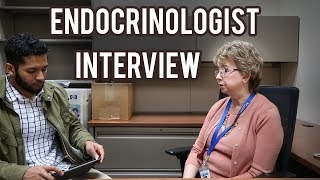


Helpful Resources
Articles and guides for deeper learning
Frequently Asked Questions
Quick answers to common questions
QWhat is endocrinology?
Endocrinology is a branch of medicine that deals with the endocrine system, which is made up of glands that produce hormones. These hormones help control many bodily functions, such as metabolism, growth and development, and reproduction. Endocrinologists diagnose and treat diseases related to these hormones.
QWhat are common conditions treated by endocrinologists and endocrine surgeons?
Common conditions include diabetes, thyroid disorders (like hyperthyroidism and hypothyroidism), growth disorders, osteoporosis, and hormonal imbalances. Endocrine surgeons often operate on thyroid nodules, parathyroid tumors, and adrenal gland issues.
Explore All 1,500+ Careers
Browse our full career explorer or take an assessment to get personalised recommendations.