Mammography Technician
Also known as: Mammographer, Radiologic Technologist (Mammography)
A Mammography Technician is a specialized healthcare professional who operates mammography equipment to perform breast X-rays. These technicians play a crucial role in the early detection of breast cancer by capturing high-quality images that radiologists interpret. They are responsible for patient care during the procedure, ensuring comfort and accuracy, and must have a strong understanding of both the technology and human anatomy.
7
Skills to Learn
4
Career Levels
5
Top Companies
2
Education Paths
Sneak Peek
Have you ever wondered how doctors can see inside the human body without performing surgery? As a Mammography Technician, you'll be at the forefront of using advanced technology to help detect diseases early and improve patient outcomes.
What does a Mammography Technician do?
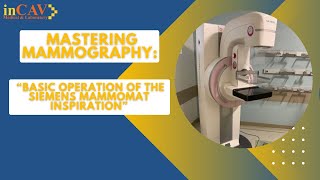
A mammography technician operates specialized X-ray equipment to perform mammograms, which are crucial for detecting breast cancer in its early stages.
- Salary in India
- ₹3 to ₹12 lakh a year
- Demand
- Growing
- Remote work
- Location-Bound
- Industry
- Healthcare
Is This Career For You?
Discover if your personality matches this career
Your Personality Fit (RIASEC)
Values helping and interacting with people, providing care and comfort.
Enjoys working with machines and technology to perform tasks.
Appreciates following procedures, maintaining accuracy, and working with detailed records.
Likes to analyze information and solve problems, especially in a scientific context.
Less focused on leading or persuading, more on executing procedures.
Less focused on creative expression, more on technical execution.
You'll Love This Career If...
Like what you see? Get full access.
Save this career, compare with others, and get your personalized career plan.
50,000+ students already signed up
A Day in the Life
What your typical workday looks like
Your day starts by preparing the mammography suite and checking that all equipment is functioning correctly. You'll greet patients, explain the mammogram procedure, and help them feel at ease. Throughout the day, you'll position patients accurately for the imaging, operate the mammography machine to capture clear images, and ensure all images are of high quality for the radiologist. You'll also maintain patient records and coordinate with other healthcare staff to ensure timely diagnoses and follow-ups.
Myth vs Reality
Tap to reveal the truth behind common misconceptions
Skills You'll Need
Master these to excel in this career
Technical Skills
2Mammography
Proficiency in operating mammography machines and capturing high-quality images.
Radiation Safety
Knowledge of radiation safety protocols to ensure patient and technician safety.
Soft Skills
4Patient Care
Ability to provide compassionate and effective patient care during procedures.
Attention to Detail
High level of precision in image quality and patient positioning.
Communication Skills
Effective communication with patients, radiologists, and other healthcare professionals.
Problem-Solving
Ability to troubleshoot technical issues and adapt to different situations.
Domain Skills
1Continuing Education
Commitment to ongoing learning and professional development in medical imaging.
Tools of the Trade
Software and tools you'll work with daily
Hardware
Mammography Machine
Specialized X-ray equipment designed specifically for imaging breast tissue.
Positioning Aids
Devices used to help position the patient's breast correctly on the mammography unit for optimal imaging.
Radiation Dosimeter
A device used to measure the amount of radiation exposure received by the patient and the technologist.
Software
Picture Archiving and Communication System (PACS)
A system used to store, retrieve, and manage medical images, often including viewing devices and secure network connections.
Want to build these skills?
Get a personalized learning roadmap and save careers that match your profile.
50,000+ students already signed up
Your Learning Path
Step-by-step guide to getting started
Build a Strong Foundation in Science
Focus on high school courses like Biology, Chemistry, and Physics. These subjects will introduce you to the fundamental scientific principles you'll need in healthcare and technology.
Earn Your Associate Degree
Complete a 2-year associate degree program in Radiologic Technology or a related field. This will cover essential topics like anatomy, physiology, medical terminology, radiation safety, and how to operate imaging equipment.
Gain Specialized Mammography Training and Certification
After your degree, complete specific continuing education credits in mammography (around 40 hours) and pass the certification exam, often through the American Registry of Radiologic Technologists (ARRT), to become a certified Mammography Technologist.
Begin Your Career and Continue Learning
Start working in a healthcare setting as a Mammography Technician. Stay updated with the latest technologies and techniques through ongoing training and continuing education to maintain your skills and advance your career.
Career Progression
How your career will grow over time
Mammography Technician
EntryPerforms mammograms and assists radiologists in diagnosis.
- Operate mammography equipment to capture images.
- Ensure patient safety and comfort during procedures.
- Maintain accurate patient records and documentation.
- Collaborate with radiologists to ensure accurate image interpretation.
Senior Mammography Technician
Mid-LevelLeads mammography procedures and may supervise junior technicians.
- Supervise and train junior technicians.
- Perform complex mammography procedures.
- Ensure quality control and equipment maintenance.
- Collaborate with radiologists and other healthcare professionals.
Mammography Supervisor
SeniorManages the mammography department and oversees operations.
- Oversee daily operations of the mammography department.
- Manage staff and ensure compliance with regulations.
- Implement quality improvement initiatives.
- Coordinate with other departments for patient care.
Mammography Department Manager
LeadershipLeads the mammography department and sets strategic goals.
- Develop and implement strategic plans for the department.
- Manage budgets and resources.
- Ensure high-quality patient care and staff development.
- Collaborate with hospital administration and other departments.
Education Paths
Associate Degree
Radiography
Bachelor's Degree
Top Hiring Companies
Salary & Future Growth
What you can earn and where the industry is headed
Salary Progression (INR)
Future Career OutlookCurrent Market: Growing
Mammography technicians play a crucial role in early breast cancer detection, a critical aspect of women's health. The demand for skilled technicians is expected to remain steady as screening guidelines emphasize regular check-ups.
The field is evolving with advancements in imaging technology, such as 3D mammography (tomosynthesis). This technological shift may increase the need for technicians with updated skills. The aging population also contributes to a sustained demand for diagnostic services.
As medical technology continues to advance, particularly in diagnostic imaging, the role of the mammography technician will likely adapt. Continued emphasis on preventative care and early detection, coupled with an aging global population, suggests a stable to growing demand for these specialized professionals.
Not sure if Mammography Technician is right for you?
Talk to a Stride counsellor for personalised guidance on whether this career fits your interests, strengths, and goals.
Watch & Learn
Curated videos to help you explore




Helpful Resources
Articles and guides for deeper learning
Frequently Asked Questions
Quick answers to common questions
QWhat are the typical work hours for a mammography technician?
Work hours can vary, but many technicians work standard daytime hours in clinics or hospitals. Some may work evenings or weekends depending on the facility's needs.
QIs there a lot of patient interaction in this role?
Yes, mammography technicians interact closely with patients, explaining procedures, ensuring comfort, and addressing any concerns they may have during the examination.
Explore All 1,500+ Careers
Browse our full career explorer or take an assessment to get personalised recommendations.