Endoscopy Technician
Also known as: Endoscopy Assistant, GI Tech, Endoscope Reprocessing Technician
As an Endoscopy Technician, you play a crucial role in the medical field by assisting physicians during endoscopic procedures. This involves preparing the endoscopy equipment, ensuring the patient is comfortable and safe during the procedure, and providing direct assistance to the doctor. Your work helps in diagnosing and treating various internal conditions, making it a vital part of healthcare.
6
Skills to Learn
4
Career Levels
2
Top Companies
2
Education Paths
Sneak Peek
Ever wondered how doctors get a close-up look inside the human body to diagnose and treat issues without major surgery? Do you have a steady hand and a keen eye for detail? If you
What does an Endoscopy Technician do?
You play a crucial role in the medical field by assisting physicians during endoscopic procedures. This involves preparing the endoscopy equipment, ensuring the patient is comfortable and safe during the procedure, and providing direct assistance to the doctor. Your work helps in diagnosing and treating various internal conditions, making it a vital part of healthcare.
- Salary in India
- ₹3 to ₹8 lakh a year
- Demand
- Growing
- Remote work
- Location-Bound
- Industry
- Healthcare
Is This Career For You?
Discover if your personality matches this career
Your Personality Fit (RIASEC)
You enjoy helping others and being part of a team. You are empathetic and a good communicator.
You enjoy working with your hands and with equipment. You like practical tasks and hands-on work.
You are organized and detail-oriented. You like following procedures and maintaining order.
You are curious and like to solve problems. You enjoy learning about how things work.
You are motivated by leadership and enjoy persuading others. You like taking charge and managing projects.
You prefer creative and expressive activities over routine tasks.
You'll Love This Career If...
Like what you see? Get full access.
Save this career, compare with others, and get your personalized career plan.
50,000+ students already signed up
A Day in the Life
What your typical workday looks like
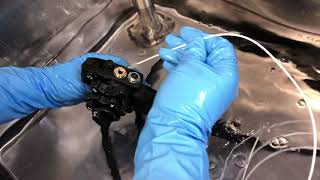
Your day typically starts with preparing the endoscopy suite, ensuring all equipment is clean, sterile, and functioning correctly. You’ll then help patients get ready for their procedures, explaining what to expect and offering reassurance. During the procedure, you’ll hand instruments to the physician, monitor the patient’s vital signs, and assist with any immediate needs. After the procedure, you’ll be responsible for cleaning and disinfecting the equipment, documenting the procedure, and preparing the room for the next patient.
Myth vs Reality
Tap to reveal the truth behind common misconceptions
Skills You'll Need
Master these to excel in this career
Technical Skills
2Knowledge of endoscopic equipment
Understanding the operation and maintenance of endoscopes.
Sterilization techniques
Proficiency in cleaning and sterilizing medical instruments.
Soft Skills
3Patient care
Ability to assist medical professionals during procedures.
Attention to detail
Ensuring accuracy in the setup and operation of equipment.
Team collaboration
Working effectively with other healthcare professionals.
Domain Skills
1Endoscopy procedures
Understanding of various endoscopic procedures and their requirements.
Tools of the Trade
Software and tools you'll work with daily
Hardware
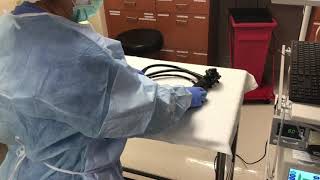
Endoscopes (Gastroscopes, Colonoscopes, Bronchoscopes)
Flexible tubes with cameras and lights used to view internal organs.
Automated Endoscope Reprocessors (AERs)
Machines that automatically clean and disinfect endoscopes.
Electrosurgical Units
Equipment used to cut tissue or control bleeding during procedures.
Insufflators and Suction Machines
Devices that inflate the body cavity with air or gas and remove fluids.
Software
Electronic Health Record (EHR) Systems (e.g., Epic, Cerner)
Digital systems for patient documentation, scheduling, and record-keeping.
Inventory Management Software
Tools to track and manage medical supplies and equipment.
Want to build these skills?
Get a personalized learning roadmap and save careers that match your profile.
50,000+ students already signed up
Your Learning Path
Step-by-step guide to getting started
High School Foundation
Focus on core subjects like science (biology, anatomy), math, and English. Developing good study habits and attention to detail in your coursework is key.
Specialized Training Program
Complete a certificate or associate degree program in Endoscopy Technology or Surgical Technology. These programs cover essential skills like equipment handling, infection control, and basic anatomy.
Gain Practical Experience
Participate in clinical rotations or on-the-job training. This hands-on experience is vital for mastering the day-to-day tasks, working with diverse equipment, and collaborating with medical teams.
Consider Certification and Continuous Learning
Obtain professional certifications like the SGNA GI Technical Specialist credential. Stay updated on new technologies and protocols through workshops and ongoing education to advance your career.
Career Progression
How your career will grow over time
Endoscopy Technician Trainee
EntryAssists with equipment setup, maintenance, and patient care under supervision.
- Assist in preparing the endoscopy suite
- Hand instruments to physicians during procedures
- Help with patient positioning and monitoring
Endoscopy Technician
Mid-LevelIndependently performs duties related to endoscopy procedures, including equipment setup, patient care, and sterilization.
- Prepare and sterilize endoscopic instruments
- Assist physicians during procedures
- Monitor patient vitals and comfort
Senior Endoscopy Technician
SeniorTakes on additional responsibilities such as training new technicians, managing inventory, and ensuring compliance with regulations.
- Train new technicians
- Manage inventory of supplies
- Ensure compliance with sterilization protocols
Lead Endoscopy Technician
LeadershipOversees the endoscopy department, coordinates with other healthcare professionals, and ensures the smooth operation of procedures.
- Supervise endoscopy technicians
- Coordinate with physicians and nurses
- Ensure quality and safety standards are met
Education Paths
Post-Secondary Certificate/Diploma
Endoscopy Technician Certificate
Healthcare
Associate Degree
Associate's Degree in Surgical Technology
Healthcare
Top Hiring Companies
Salary & Future Growth
What you can earn and where the industry is headed
Salary Progression (INR)
Future Career OutlookCurrent Market: Growing
The current job market for Endoscopy Technicians is strong, with demand expected to remain steady in the coming years. These professionals are essential in healthcare settings, assisting with diagnostic and therapeutic procedures.
Job prospects for Endoscopy Technicians are projected to grow steadily over the next decade. As the population ages and the need for gastrointestinal and respiratory care increases, the demand for skilled technicians will likely rise. Opportunities may also expand with advancements in endoscopic technologies.
The long-term outlook for Endoscopy Technicians remains positive, driven by ongoing advancements in medical technology and an increasing focus on minimally invasive procedures. While the specific tools and techniques may evolve, the core need for skilled professionals to support these procedures is expected to persist.
Not sure if Endoscopy Technician is right for you?
Talk to a Stride counsellor for personalised guidance on whether this career fits your interests, strengths, and goals.
Watch & Learn
Curated videos to help you explore



Helpful Resources
Articles and guides for deeper learning
Frequently Asked Questions
Quick answers to common questions
QWhat is the typical work schedule for an Endoscopy Technician?
Most Endoscopy Technicians work full-time, typically during regular business hours. However, some roles may require on-call duties or rotating shifts to cover emergency procedures.
QWhat is the educational requirement to become an Endoscopy Technician?
Common educational paths include completing an accredited Endoscopy Technician program or a Surgical Technology program, often resulting in a certificate or associate's degree. Some roles may also be open to individuals with a Medical Assistant background who gain specialized endoscopy training.
QWhat are the key responsibilities of an Endoscopy Technician?
Key responsibilities include preparing endoscopy suites, assisting physicians during procedures, cleaning and sterilizing equipment, monitoring patients, maintaining documentation, and managing inventory.
QWhat kind of equipment do Endoscopy Technicians use?
Technicians use specialized equipment such as endoscopes, colonoscopes, bronchoscopes, automated endoscope reprocessors (AERs), and patient monitoring systems. They also use electrosurgical units, insufflators, and suction machines.
Explore All 1,500+ Careers
Browse our full career explorer or take an assessment to get personalised recommendations.