Unani Doctor
Also known as: Unani Physician, Hakeem
A Unani doctor is a healthcare professional trained in the Unani system of medicine, a traditional healing practice with roots in ancient Greek medicine. They focus on treating patients by understanding the balance of four elements in the body (blood, yellow bile, phlegm, and black bile) and using natural remedies, diet, and lifestyle adjustments to promote the body's self-healing energy. Unani doctors diagnose and treat various ailments, focusing on holistic well-being and preventative care, though they do not perform allopathic surgeries or prescribe modern medicines.
8
Skills to Learn
4
Career Levels
5
Top Companies
3
Education Paths
Sneak Peek
Are you interested in a healthcare career that blends ancient wisdom with modern understanding to help people heal naturally? Imagine being a doctor who focuses on the body's innate healing power using traditional methods.
What does a Unani Doctor do?
A Unani doctor is a healthcare professional trained in the Unani system of medicine, a traditional healing practice with roots in ancient Greek medicine. They focus on treating patients by understanding the balance of four elements in the body (blood, yellow bile, phlegm, and black bile) and using natural remedies, diet, and lifestyle adjustments to promote the body's self-healing energy.
- Salary in India
- ₹4 to ₹10 lakh a year
- Demand
- Stable
- Remote work
- Location-Bound
- Industry
- Healthcare
Is This Career For You?
Discover if your personality matches this career
Your Personality Fit (RIASEC)
You are passionate about helping people and find fulfillment in improving their health and well-being.
You enjoy exploring the causes of illnesses and how the body works, using a systematic approach to find solutions.
You are hands-on and enjoy working with natural remedies and therapies to treat patients.
You appreciate the nuanced and traditional aspects of healing, and may find creativity in developing treatment plans.
While not the primary focus, you may need to manage your practice or collaborate with others.
You appreciate following established practices and maintaining records, but the core of the role is less about strict adherence to routine.
You'll Love This Career If...
Like what you see? Get full access.
Save this career, compare with others, and get your personalized career plan.
50,000+ students already signed up
A Day in the Life
What your typical workday looks like
Your day might start with reviewing patient files and preparing for consultations. You'll then spend time with patients, listening to their concerns, understanding their lifestyle, and performing examinations to diagnose their conditions based on Unani principles. After diagnosis, you'll discuss a personalized treatment plan, which could involve herbal remedies, dietary changes, or other natural therapies. You'll also document patient progress and perhaps collaborate with other healthcare providers. Some days may involve administrative tasks or continuing education to stay updated on Unani medicine and research.
Myth vs Reality
Tap to reveal the truth behind common misconceptions
Skills You'll Need
Master these to excel in this career
Technical Skills
3Herbal Medicine Preparation
Skill in preparing and administering herbal medicines.
Diagnosis and Treatment Planning
Ability to diagnose conditions and create treatment plans.
Research Skills
Ability to conduct and understand medical research.
Soft Skills
3Patient Care Skills
Ability to provide compassionate and effective patient care.
Communication Skills
Effective communication with patients and colleagues.
Cultural Sensitivity
Understanding and respecting cultural differences in healthcare.
Domain Skills
2Knowledge of Unani Medicine
Deep understanding of Unani principles and practices.
Regulatory Knowledge
Understanding of healthcare regulations and compliance.
Tools of the Trade
Software and tools you'll work with daily
Hardware
Herbal remedies
Various plant-based substances used for their therapeutic properties.
Manual therapies
Physical manipulation techniques to address musculoskeletal issues and improve circulation.
Software
Dietary plans
Specific food recommendations and restrictions tailored to an individual's health needs.
Lifestyle recommendations
Guidance on daily routines, exercise, and stress management.
Want to build these skills?
Get a personalized learning roadmap and save careers that match your profile.
50,000+ students already signed up
Your Learning Path
Step-by-step guide to getting started
Explore the Fundamentals of Unani Medicine
Begin by learning about the core principles of Unani, such as the four humors (Akhlat), the seven natural principles (Asbab-e-Sitta Zarooriya), and the concept of temperament (Mizaj). Read introductory texts and watch documentaries about the history and philosophy of this healing system.
Study Herbalism and Pharmacology
Delve into the properties, uses, and preparation of various medicinal plants used in Unani medicine. Understand how different herbs interact with the body and how to identify and source them safely.
Learn Diagnosis and Treatment Techniques
Focus on diagnostic methods like pulse and tongue examination, and understand how to develop treatment plans based on the patient's condition, temperament, and the underlying cause of illness. This includes learning about dietetics, hydrotherapy, and other therapeutic interventions.
Gain Practical Experience and Clinical Exposure
Seek opportunities to shadow experienced Unani practitioners, observe patient consultations, and assist in preparing remedies. This hands-on experience is crucial for understanding the practical application of Unani medicine in real-world scenarios.
Career Progression
How your career will grow over time
Junior Unani Practitioner
EntryStarting role involving basic patient care under supervision.
- Assisting senior practitioners
- Conducting basic patient assessments
- Learning Unani therapies
Unani Practitioner
Mid-LevelIndependent role managing patient care and treatments.
- Diagnosing and treating patients
- Developing treatment plans
- Conducting follow-up consultations
Senior Unani Practitioner
SeniorExperienced role with deeper patient care responsibilities.
- Managing complex cases
- Mentoring junior practitioners
- Advancing treatment techniques
Unani Medical Director
LeadershipLeadership role overseeing Unani medical practice and research.
- Supervising medical staff
- Leading research initiatives
- Setting clinical standards
Education Paths
Bachelor's Degree
Bachelor of Unani Medicine & Surgery (BUMS)
Unani Medicine
Master's Degree
Doctor of Medicine (M.D.) in Unani
Unani Medicine
Post-Doctoral
Doctor of Philosophy (PhD) in Unani
Unani Medicine
Top Hiring Companies
Salary & Future Growth
What you can earn and where the industry is headed
Salary Progression (INR)
Future Career OutlookCurrent Market: Stable
The demand for Unani doctors is stable, with a need for practitioners in both traditional settings and integrated healthcare systems.
There is a growing interest in traditional medicine, which may lead to increased demand for Unani doctors, especially in regions where it has historical roots or in holistic health centers.
The long-term outlook depends on the integration of Unani medicine into mainstream healthcare, research advancements, and public acceptance. Continued research and evidence-based practices could foster higher growth.
Not sure if Unani Doctor is right for you?
Talk to a Stride counsellor for personalised guidance on whether this career fits your interests, strengths, and goals.
Watch & Learn
Curated videos to help you explore


Helpful Resources
Articles and guides for deeper learning
Frequently Asked Questions
Quick answers to common questions
QWhat is Unani medicine?
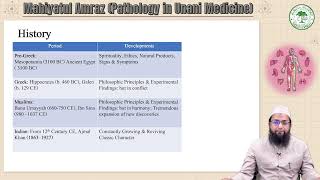
Unani medicine is a traditional system of healing that originated in ancient Greece and was later developed in the Islamic world. It focuses on balancing the body's humors (elements) to maintain health and treat diseases.
QWhat kind of education is required to become a Unani doctor?
To become a Unani doctor, you typically need to complete a Bachelor of Unani Medicine and Surgery (BUMS) degree, which is a graduate-level program, followed by mandatory internship. Further specialization can be pursued through postgraduate studies.
QWhere do Unani doctors typically work?
Unani doctors often work in government hospitals, private clinics, Unani medical centers, and sometimes in integrated healthcare facilities. They may also be involved in research or teaching.
QIs Unani medicine recognized by the government?
Yes, Unani medicine is one of the traditional Indian systems of medicine recognized by the Government of India and is regulated by the Central Council of Indian Medicine (CCIM), now integrated into the National Commission for Indian Medicine (NCIM).
Explore All 1,500+ Careers
Browse our full career explorer or take an assessment to get personalised recommendations.