ENT Consultant / Head & Neck Surgeon
Also known as: Otolaryngologist
As an ENT (Ear, Nose, and Throat) consultant, also known as an otolaryngologist, you are a medical specialist focused on diagnosing and treating a wide range of conditions affecting these delicate areas, as well as the head and neck. This can include everything from common ear infections and sinus problems to more complex issues like hearing loss, voice disorders, sleep apnea, and even cancers of the head and neck. You
7
Skills to Learn
4
Career Levels
6
Top Companies
4
Education Paths
Sneak Peek
Do you have a passion for helping people hear, speak, and breathe better? Are you fascinated by the intricate workings of the head and neck? If so, a career as an ENT consultant and head and neck surgeon might be the perfect fit for you!
What does an ENT Consultant / Head & Neck Surgeon do?
As an ENT (Ear, Nose, and Throat) consultant, also known as an otolaryngologist, you are a medical specialist focused on diagnosing and treating a wide range of conditions affecting these delicate areas, as well as the head and neck. This can include everything from common ear infections and sinus problems to more complex issues like hearing loss, voice disorders, sleep apnea, and even cancers of the head and neck.
- Salary in India
- ₹10 to ₹25 lakh a year
- Demand
- Growing
- Remote work
- Location-Bound
- Industry
- Healthcare
Is This Career For You?
Discover if your personality matches this career
Your Personality Fit (RIASEC)
You enjoy deep investigation and problem-solving, which is crucial for diagnosing complex conditions.
You'll be interacting with patients and their families, requiring empathy and good communication skills.
Hands-on procedures and the use of specialized equipment are central to this role.
A creative approach can be beneficial in finding innovative solutions for challenging cases.
Attention to detail and adherence to strict protocols are vital for patient safety and effective treatment.
This involves taking initiative and leading in complex medical scenarios.
You'll Love This Career If...
Like what you see? Get full access.
Save this career, compare with others, and get your personalized career plan.
50,000+ students already signed up
A Day in the Life
What your typical workday looks like
A typical day for an ENT consultant and head and neck surgeon involves a mix of activities. Mornings might be spent in the operating room performing surgeries, ranging from routine procedures like tonsillectomies to more complex head and neck cancer surgeries. Afternoons could be dedicated to seeing patients in the clinic, diagnosing conditions, developing treatment plans, and monitoring recovery. You might also spend time reviewing patient charts, consulting with other medical professionals, and possibly engaging in research or teaching if you are in an academic setting.
Myth vs Reality
Tap to reveal the truth behind common misconceptions
Skills You'll Need
Master these to excel in this career
Technical Skills
3Surgical Skills
Proficiency in performing complex surgical procedures.
Research Skills
Ability to conduct and analyze research in the field.
Diagnostic Tools Usage
Skill in using various diagnostic tools and technologies.
Soft Skills
3Patient Communication
Ability to effectively communicate with patients and their families.
Team Collaboration
Skill in working with a multidisciplinary team.
Ethical Judgment
Ability to make ethical decisions in patient care.
Domain Skills
1Medical Expertise
In-depth knowledge of ENT and head-neck surgery.
Tools of the Trade
Software and tools you'll work with daily
Hardware
Endoscope
A thin, flexible tube with a light and camera used to look inside the ear, nose, throat, and other parts of the head and neck.
Microscope
Used for performing very precise surgeries on delicate structures within the ear and throat.
Audiometer
A device used to measure a patient's hearing ability and identify the type and degree of hearing loss.
High-resolution imaging (CT/MRI)
Advanced imaging technologies used to create detailed pictures of the head and neck anatomy, essential for diagnosis and surgical planning.
Software
AI-powered diagnostic software
Software that helps analyze medical images like CT scans and endoscopic videos to detect subtle signs of disease, aiding in early cancer detection or identifying anatomical variations.
Surgical Navigation System
A system that provides real-time 3D imaging and guidance during complex head and neck surgeries, helping surgeons precisely locate structures and plan procedures.
Want to build these skills?
Get a personalized learning roadmap and save careers that match your profile.
50,000+ students already signed up
Your Learning Path
Step-by-step guide to getting started
Build a Strong Foundation in Science
Focus on biology, chemistry, and physics in high school. Take advanced science classes if available. This will prepare you for the rigorous science curriculum in college.
Complete a Bachelor's Degree
Earn a 4-year degree, typically in a pre-medical or science-related field. Excel in your coursework and participate in extracurricular activities like volunteering at a hospital or shadowing doctors.
Attend Medical School
Complete 4 years of medical school, where you'll learn general medicine and then specialize. This includes classroom learning, lab work, and clinical rotations.
Complete Residency and Fellowship
Undertake a multi-year residency program in Otolaryngology (ENT), followed by an optional fellowship for further specialization in head and neck surgery. This is where you gain hands-on surgical experience under expert supervision.
Career Progression
How your career will grow over time
Junior Resident
EntryPerforms basic clinical duties under supervision.
- Assisting in surgeries
- Conducting patient examinations
- Learning surgical techniques
ENT Resident
Mid-LevelGains advanced clinical and surgical skills.
- Performing surgeries under supervision
- Managing patient care
- Participating in subspecialty training
ENT Consultant
SeniorLeads surgical teams and provides specialized care.
- Performing complex surgeries
- Consulting on patient cases
- Teaching and mentoring junior residents
Head & Neck Surgeon
LeadershipLeads the department and oversees clinical operations.
- Managing department operations
- Advising on complex cases
- Conducting research and publishing findings
Education Paths
Bachelor's Degree
Bachelor of Science
Pre-med, Chemistry, Biology, or Anatomy
Doctoral Degree
Doctor of Medicine (MD) or Doctor of Osteopathic Medicine (DO)
Post-Secondary Certificate/Diploma
Diploma in Otorhinolaryngology (DLO)
Post-Doctoral
Fellowship in ENT Subspecialties
Top Hiring Companies
Salary & Future Growth
What you can earn and where the industry is headed
Salary Progression (INR)
Future Career OutlookCurrent Market: Growing
As an ENT consultant and head & neck surgeon, you'll be diagnosing and treating conditions related to the ears, nose, throat, and the head and neck region. This includes everything from common ear infections and tonsillitis to more complex conditions like head and neck cancers. You'll perform surgeries, prescribe medications, and work with patients to manage chronic conditions. The field requires a deep understanding of anatomy, physiology, and a wide range of medical and surgical techniques.
The demand for ENT specialists and head & neck surgeons is expected to remain strong. An aging population often leads to an increase in age-related conditions affecting the ears, nose, and throat. Furthermore, advancements in surgical techniques, including minimally invasive procedures and robotic surgery, are expanding the scope of treatment. The rising incidence of head and neck cancers, partly due to factors like HPV infections, also contributes to the sustained demand for specialized care.
In the long term, the field will likely see continued growth driven by technological innovations and an increasing focus on personalized medicine. Specialists who stay updated with the latest research, embrace new technologies like AI-assisted diagnostics and advanced surgical robotics, and focus on complex areas like head and neck oncology will be well-positioned. The emphasis on early detection and tailored treatment strategies for conditions like head and neck cancers will further solidify the role of these specialists.
Not sure if ENT Consultant / Head & Neck Surgeon is right for you?
Talk to a Stride counsellor for personalised guidance on whether this career fits your interests, strengths, and goals.
Watch & Learn
Curated videos to help you explore

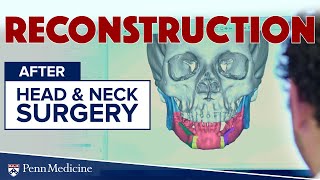



Helpful Resources
Articles and guides for deeper learning
Frequently Asked Questions
Quick answers to common questions
QWhat kind of education and training is required for an ENT consultant / Head & Neck Surgeon?
It requires a significant amount of education and training. After completing a bachelor's degree, you'll need to go to medical school, followed by a residency in Otolaryngology (ENT), and then potentially a fellowship for specialization in Head & Neck Surgery. This typically adds up to well over a decade of schooling and hands-on training.
QWhat are the key responsibilities of an ENT consultant / Head & Neck Surgeon?
Key responsibilities include diagnosing and treating a wide range of conditions affecting the ears, nose, throat, and neck. This involves performing physical examinations, interpreting diagnostic tests, performing surgeries, prescribing medications, and providing post-treatment care and follow-up.
QWhat are the common conditions treated by ENT specialists?
Common conditions include ear infections, hearing loss, sinusitis, tonsillitis, voice disorders, and sleep apnea. Head and neck surgeons also focus on more complex issues like head and neck cancers, thyroid disorders, and facial trauma.
Explore All 1,500+ Careers
Browse our full career explorer or take an assessment to get personalised recommendations.