X-Ray Technologist
Also known as: Radiologic Technologist, Radiographer
X-Ray Technologists are healthcare professionals who use advanced imaging equipment, like X-ray machines, to create detailed pictures of the inside of a patient's body. These images are crucial for diagnosing injuries and illnesses, helping doctors to plan treatments. You'll work closely with patients, guiding them through the imaging process and ensuring they are comfortable and safe, while also maintaining the sophisticated equipment. It's a role that blends technology with direct patient care.
11
Skills to Learn
4
Career Levels
5
Top Companies
3
Education Paths
Sneak Peek
Ever wondered what it takes to see inside the human body without surgery? Do you have a knack for technology and a desire to help people uncover the causes of their injuries or illnesses?
What does an X-Ray Technologist do?
X-Ray Technologists are healthcare professionals who use advanced imaging equipment, like X-ray machines, to create detailed pictures of the inside of a patient's body. These images are crucial for diagnosing injuries and illnesses, helping doctors to plan treatments. You'll work closely with patients, guiding them through the imaging process and ensuring they are comfortable and safe, while also maintaining the sophisticated equipment.
- Salary in India
- ₹3 to ₹6 lakh a year
- Demand
- Stable
- Remote work
- Location-Bound
- Industry
- Healthcare
Is This Career For You?
Discover if your personality matches this career
Your Personality Fit (RIASEC)
You enjoy understanding how things work, especially when it involves science and technology, like the physics behind X-rays.
You like working with your hands and using tools and equipment to solve practical problems, such as operating X-ray machines.
You are comfortable and caring when working with people, which is essential for patient interaction and ensuring they feel at ease.
You appreciate order and accuracy, which is important for following procedures, maintaining patient records, and ensuring precise imaging.
While not the primary focus, creativity can be helpful in unique patient positioning or problem-solving.
This role is less about leading or persuading and more about execution and patient care.
You'll Love This Career If...
Like what you see? Get full access.
Save this career, compare with others, and get your personalized career plan.
50,000+ students already signed up
A Day in the Life
What your typical workday looks like
Your day could involve preparing patients for X-ray examinations, explaining procedures, positioning them correctly to get the best images, and operating the X-ray equipment. You might work with patients of all ages, from children to the elderly, and assist doctors in diagnosing a variety of conditions, from broken bones to internal issues. Each day brings new cases and the opportunity to make a difference in someone's health journey.
Myth vs Reality
Tap to reveal the truth behind common misconceptions
Skills You'll Need
Master these to excel in this career
Technical Skills
4Image evaluation and analysis
Assessing and interpreting X-ray images.
Equipment maintenance
Maintaining and troubleshooting X-ray machines.
Proficiency with imaging equipment
Skilled operation of X-ray machines.
Radiation safety and equipment
Ensuring safe use of radiation equipment.
Soft Skills
6Patient communication
Explaining procedures to patients and ensuring their comfort.
Attention to detail
Focusing on precision in patient positioning and image quality.
Critical thinking
Making rapid adjustments to scanning protocols based on patient condition.
Problem-solving
Troubleshooting equipment malfunctions and resolving patient issues.
Empathy and compassion
Understanding and responding to patient fears and anxieties.
Team collaboration
Working effectively with radiologists, nurses, and other healthcare professionals.
Domain Skills
1Knowledge of anatomy and physiology
Understanding of human body structure and function.
Tools of the Trade
Software and tools you'll work with daily
Hardware
X-ray Machine
The main device used to generate X-rays for imaging.
Digital Imaging Equipment (DR/CR)
Systems that capture and display X-ray images digitally, allowing for immediate viewing and manipulation.
Fluoroscopy Equipment
Used for real-time X-ray imaging, like watching organs function or guiding medical procedures.
Positioning Devices
Various tools and aids used to help position patients correctly for accurate X-ray images.
Software
PACS (Picture Archiving and Communication System)
Software used to store, retrieve, manage, and distribute medical images.
RIS (Radiology Information System)
Software that manages patient scheduling, billing, and medical records within the radiology department.
Want to build these skills?
Get a personalized learning roadmap and save careers that match your profile.
50,000+ students already signed up
Your Learning Path
Step-by-step guide to getting started
Explore the Basics
Start by learning fundamental human anatomy – all 206 bones and where they are. Get familiar with basic medical terms and understand what radiation is and why safety is super important.
Dive into Radiography
Learn about how X-ray machines work, the different types of imaging equipment like digital systems, and how to position patients correctly for different X-rays. Understand safety rules for patients and yourself.
Gain Clinical Experience
Enroll in an accredited program that includes hands-on training. This is where you'll practice your skills in real healthcare settings, working with patients under supervision and learning to use the equipment.
Get Certified and Specialize
After your program, you'll likely need to pass a certification exam (like the ARRT®). You can then choose to specialize in areas like mammography, CT scans, or MRI for more advanced roles.
Career Progression
How your career will grow over time
X-Ray Technician
EntryPerforms basic X-ray procedures under the supervision of a radiologist.
- Operate X-ray machines
- Position patients for imaging
- Ensure patient safety
Radiologic Technologist
Mid-LevelPerforms a wider range of imaging procedures and may specialize in areas like MRI or CT scans.
- Perform advanced imaging procedures
- Specialize in specific imaging modalities
- Mentor junior technologists
Senior Radiologic Technologist
SeniorTakes on more complex imaging procedures and may lead a team of technologists.
- Lead imaging teams
- Perform complex imaging procedures
- Ensure quality control
Radiology Supervisor
LeadershipOversees the radiology department, manages staff, and ensures departmental efficiency.
- Manage radiology department
- Supervise staff
- Ensure departmental compliance
Education Paths
Post-Secondary Certificate/Diploma
Diploma in X-Ray Technology
Radiology
Associate Degree
Associate in Applied Science (AAS) in Radiologic Technology
Radiology
Bachelor's Degree
Bachelor of Science in Radiologic Technology
Radiology
Top Hiring Companies
Salary & Future Growth
What you can earn and where the industry is headed
Salary Progression (INR)
Future Career OutlookCurrent Market: Stable
The job outlook for X-Ray Technologists is stable, with consistent demand for their services in diagnostic imaging.
The demand for X-Ray Technologists is expected to remain steady over the next decade, driven by an aging population and advancements in medical technology that increase the use of diagnostic imaging.
As medical technology continues to evolve, X-Ray Technologists will likely see continued demand. New imaging techniques and a growing emphasis on preventative care will sustain the need for skilled professionals in this field.
Not sure if X-Ray Technologist is right for you?
Talk to a Stride counsellor for personalised guidance on whether this career fits your interests, strengths, and goals.
Watch & Learn
Curated videos to help you explore
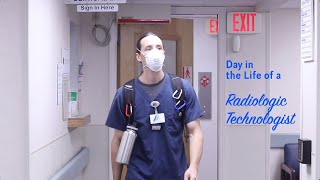


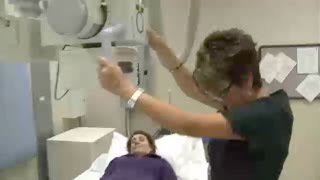
![X-ray Tube [X-ray tube 101 for Radiographic Technologists: electrons to x-rays]](https://i.ytimg.com/vi/6qKxsEEV1g8/mqdefault.jpg)

Helpful Resources
Articles and guides for deeper learning
Frequently Asked Questions
Quick answers to common questions
QWhat is the typical work environment for an X-Ray Technologist?
X-Ray Technologists typically work in hospitals, diagnostic imaging centers, physician's offices, and outpatient care centers. They spend most of their time on their feet, interacting with patients and operating imaging equipment.
QWhat are the main duties of an X-Ray Technologist?
The main duties include positioning patients correctly for X-ray imaging, operating X-ray equipment, ensuring patient safety and comfort during procedures, and maintaining accurate patient records. They also prepare contrast media and assist physicians in interpreting the images.
QWhat kind of personality traits are helpful for an X-Ray Technologist?
Good communication skills, empathy, patience, attention to detail, and the ability to work well under pressure are beneficial. Being able to follow instructions precisely and maintain a calm demeanor are also important.
Explore All 1,500+ Careers
Browse our full career explorer or take an assessment to get personalised recommendations.