Environmental Health and Safety Manager
Also known as: HSE Manager, EHS Manager
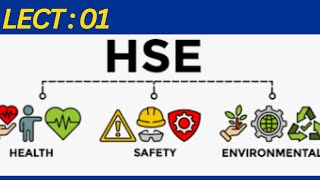
An Environmental Health and Safety (EHS) Manager is responsible for creating and implementing programs that protect employees, the public, and the environment from potential hazards. They ensure that organizations comply with all relevant laws and regulations, conduct risk assessments to identify potential dangers, and develop strategies to prevent accidents and minimize environmental impact. This role involves a mix of proactive planning, hands-on investigation, and clear communication to foster a safe and healthy work environment.
10
Skills to Learn
4
Career Levels
2
Top Companies
3
Education Paths
Sneak Peek
Do you like solving puzzles and making sure everyone stays safe? As an Environmental Health and Safety Manager, you
What does an Environmental Health and Safety Manager do?
An Environmental Health and Safety (EHS) Manager is responsible for creating and implementing programs that protect employees, the public, and the environment from potential hazards. They ensure that organizations comply with all relevant laws and regulations, conduct risk assessments to identify potential dangers, and develop strategies to prevent accidents and minimize environmental impact.
- Salary in India
- ₹6 to ₹18 lakh a year
- Demand
- Growing
- Remote work
- Hybrid
- Industry
- Environmental Health and Safety
Is This Career For You?
Discover if your personality matches this career
Your Personality Fit (RIASEC)
You like to investigate and analyze situations to understand how things work and identify potential risks.
You enjoy working with your hands and tools to solve problems and improve physical environments.
You are motivated by helping others and ensuring their well-being, which is central to this role.
You appreciate structured processes, detailed record-keeping, and ensuring compliance with regulations.
You are comfortable taking initiative, leading projects, and influencing others to adopt safety practices.
This role doesn't heavily rely on artistic expression, though creative problem-solving can be a plus.
You'll Love This Career If...
Like what you see? Get full access.
Save this career, compare with others, and get your personalized career plan.
50,000+ students already signed up
A Day in the Life
What your typical workday looks like
Your day might start with a walk-through of a facility, checking that safety equipment is in place and being used correctly. You could then spend time reviewing safety reports, investigating a minor incident, or planning a training session for new employees on emergency procedures. Later, you might be in a meeting discussing how to reduce waste or presenting new safety protocols to management. It’s a dynamic role where you’re constantly interacting with people and thinking critically about how to maintain a secure and healthy workplace.
Myth vs Reality
Tap to reveal the truth behind common misconceptions
Skills You'll Need
Master these to excel in this career
Technical Skills
5Risk Assessment
Evaluating potential risks in the workplace.
Regulatory Compliance
Ensuring adherence to health and safety regulations.
Emergency Preparedness
Developing and implementing emergency response plans.
Data Analysis
Analyzing safety data to improve practices.
Training and Development
Designing and delivering safety training programs.
Soft Skills
4Communication Skills
Effectively conveying safety protocols and procedures.
Problem-Solving
Identifying and resolving safety issues.
Leadership
Guiding and motivating a safety team.
Change Management
Implementing new safety policies and procedures.
Domain Skills
1Industry-Specific Knowledge
Understanding unique hazards and requirements of specific industries.
Tools of the Trade
Software and tools you'll work with daily
Framework
OSHA Standards and Regulations
The official rules and guidelines set by the Occupational Safety and Health Administration that dictate workplace safety requirements.
Software
Risk Assessment Software
Programs used to identify, analyze, and evaluate potential workplace hazards.
Hardware
Incident Investigation Tools
Includes equipment for documenting and analyzing accidents, such as cameras, measuring devices, and evidence collection kits.
Personal Protective Equipment (PPE)
Gear like hard hats, safety glasses, gloves, and respirators that protect workers from specific hazards.
Platform
Safety Training Platforms
Online or physical systems used to deliver and track employee safety education and certifications.
Want to build these skills?
Get a personalized learning roadmap and save careers that match your profile.
50,000+ students already signed up
Your Learning Path
Step-by-step guide to getting started
Understand Safety Fundamentals
Start by learning the basics of workplace safety. This includes understanding common hazards, the importance of safety regulations, and why safety is crucial in any job. You can begin with introductory online articles or short videos about general workplace safety.
Explore Key Safety Concepts
Dive deeper into specific areas like hazard identification, risk assessment, and the purpose of Personal Protective Equipment (PPE). Learn about different types of hazards (physical, chemical, biological) and how to prevent them.
Learn About Regulations and Training
Familiarize yourself with major safety regulations, such as those from OSHA. Understand the importance of safety training programs (like OSHA 30-hour) and how they help prevent accidents. You might explore resources that explain these regulations in simple terms.
Gain Practical Exposure
Look for opportunities to observe safety practices in real workplaces, perhaps through internships, volunteer work, or even by talking to people who work in safety roles. This hands-on experience will help you see how safety management works in action.
Career Progression
How your career will grow over time
Safety Trainee
EntryStarting role involving basic tasks and learning under supervision.
- Assisting in conducting safety audits
- Learning about EHS regulations
- Supporting incident reporting processes
EHS Specialist
Mid-LevelHandling specific EHS tasks and projects within the organization.
- Conducting risk assessments
- Developing safety training programs
- Monitoring compliance with EHS regulations
EHS Manager
SeniorLeading the EHS department and overseeing all EHS activities.
- Developing EHS policies and procedures
- Managing EHS team
- Ensuring regulatory compliance across the organization
Director of EHS
LeadershipStrategic leadership role focusing on EHS strategy and alignment with business goals.
- Setting EHS vision and strategy
- Leading EHS initiatives across the organization
- Ensuring alignment of EHS with business objectives
Education Paths
Bachelor's Degree
B.Tech
Environmental Engineering
Master's Degree
M.Sc
Public Health
Professional Degree
Top Hiring Companies
Salary & Future Growth
What you can earn and where the industry is headed
Salary Progression (INR)
Future Career OutlookCurrent Market: Growing
The demand for Environmental Health and Safety (EHS) professionals is strong and growing. Companies are increasingly focused on ensuring a safe workplace and minimizing their environmental impact due to stricter regulations and a greater emphasis on corporate social responsibility.
The EHS field is projected to continue its growth trajectory. As climate change becomes a more significant concern and regulatory landscapes evolve, the need for skilled professionals who can navigate these complexities and implement sustainable practices will remain high.
Looking far into the future, the importance of environmental health and safety is unlikely to diminish. Continuous innovation in green technologies, evolving global environmental standards, and the ongoing need for human oversight in complex industrial and corporate settings suggest a stable and evolving demand for EHS expertise.
Not sure if Environmental Health and Safety Manager is right for you?
Talk to a Stride counsellor for personalised guidance on whether this career fits your interests, strengths, and goals.
Watch & Learn
Curated videos to help you explore



Helpful Resources
Articles and guides for deeper learning
Frequently Asked Questions
Quick answers to common questions
QWhat kind of education is typically required for an EHS Manager role?
A Bachelor's degree in Environmental Science, Engineering, Occupational Health and Safety, or a related scientific field is usually the minimum requirement. Many positions prefer or require a Master's degree, especially for specialized roles or senior positions. Professional certifications are also highly valued.
QWhat are some common certifications for EHS professionals?
Valuable certifications include Certified Industrial Hygienist (CIH), Certified Safety Professional (CSP), Certified Hazardous Materials Manager (CHMM), and Registered Environmental Manager (REM). Some companies may also look for specific certifications related to industry standards like ISO 14001.
QIs there a lot of fieldwork involved for an EHS Manager?
Yes, fieldwork is a significant part of the role. EHS Managers often conduct site inspections, audits, and investigations, which can involve visiting industrial sites, construction areas, or other facilities. However, they also spend time in the office managing documentation, analyzing data, and developing strategies.
Explore All 1,500+ Careers
Browse our full career explorer or take an assessment to get personalised recommendations.