Epidemiologist
Also known as: Public Health Investigator, Disease Detective, Disease Surveillance Officer
Epidemiologists are like the detectives of public health. They investigate patterns and causes of diseases and other health issues in specific populations. Their work involves collecting and analyzing data to figure out how diseases spread, who is most at risk, and how to prevent or control them. They play a crucial role in stopping outbreaks, understanding chronic illnesses, and improving the overall health of communities.
10
Skills to Learn
5
Career Levels
5
Top Companies
3
Education Paths
Sneak Peek
Have you ever wondered what makes certain diseases spread like wildfire, while others seem to vanish just as quickly? Do you have a knack for solving puzzles and a desire to protect communities from health threats?
What does an Epidemiologist do?
Epidemiologists are like the detectives of public health. They investigate patterns and causes of diseases and other health issues in specific populations. Their work involves collecting and analyzing data to figure out how diseases spread, who is most at risk, and how to prevent or control them.
- Demand
- Growing
- Remote work
- Hybrid
- Industry
- Public Health
Is This Career For You?
Discover if your personality matches this career
Your Personality Fit (RIASEC)
You enjoy investigating and analyzing problems, much like a detective solving a case.
You are motivated by helping others and improving community health.
You like hands-on work and practical solutions, such as collecting data in the field.
You are detail-oriented and organized, which is crucial for data analysis and reporting.
You can use your persuasion skills to advocate for public health policies.
You might appreciate the creative aspect of finding new ways to present complex data.
You'll Love This Career If...
Like what you see? Get full access.
Save this career, compare with others, and get your personalized career plan.
50,000+ students already signed up
A Day in the Life
What your typical workday looks like
A typical day for an epidemiologist might involve reviewing data from hospitals or public health agencies, designing studies to track disease trends, or collaborating with other health professionals to develop prevention strategies. You could be analyzing survey results, writing reports on your findings, or even heading out into the field to investigate a potential health concern. It
Myth vs Reality
Tap to reveal the truth behind common misconceptions
Skills You'll Need
Master these to excel in this career
Technical Skills
4Data Analysis
Analyzing complex data sets to identify trends and patterns.
Statistical Software Proficiency
Using software like R or SAS to perform statistical analysis.
Research Methodology
Knowledge of various research methods and techniques.
Epidemiological Methods
Knowledge of methods used in epidemiological studies.
Soft Skills
3Communication Skills
Ability to convey findings and recommendations effectively.
Problem-Solving
Ability to address complex public health issues.
Collaboration
Working effectively with other professionals and stakeholders.
Domain Skills
3Public Health Knowledge
Understanding of public health principles and practices.
Ethical Considerations
Understanding of ethical issues in public health research.
Policy Development
Understanding of public health policy and its development.
Tools of the Trade
Software and tools you'll work with daily
Software
Statistical Software (e.g., SAS, R, SPSS)
Used to analyze large sets of health data, identify trends, and perform complex statistical tests.
Spreadsheets (e.g., Microsoft Excel)
For organizing, calculating, and visualizing data in a more accessible format.
Geographic Information Systems (GIS)
Helps map disease outbreaks and identify geographic patterns or environmental risk factors.
Survey Development Tools
Used to create and distribute questionnaires for collecting data from populations.
Platform
Databases and Data Management Systems
Tools for organizing, storing, and retrieving vast amounts of health information.
Want to build these skills?
Get a personalized learning roadmap and save careers that match your profile.
50,000+ students already signed up
Your Learning Path
Step-by-step guide to getting started
Build a Strong Foundation
Focus on science and math in high school! Take classes in biology, chemistry, statistics, and algebra. These subjects will give you the basic building blocks for understanding health data and research.
Earn Your Bachelor's Degree
Pursue a bachelor's degree in a related field like public health, biology, health science, biostatistics, or even nursing. This is where you'll learn the fundamentals of health, disease, and research methods.
Specialize with a Master's Degree
Obtain a Master of Public Health (MPH) with a specialization in Epidemiology. This is often the standard requirement and where you'll gain the in-depth knowledge and skills to become a 'disease detective'.
Gain Experience and Certifications
Get practical experience through internships or entry-level positions. Consider certifications to further validate your expertise and enhance your career opportunities.
Career Progression
How your career will grow over time
Epidemiology Assistant
EntryAssists in data collection and analysis under supervision.
- Assist in data collection
- Support data analysis
- Participate in fieldwork
Junior Epidemiologist
EntryConducts basic epidemiological research and analysis.
- Conduct basic research
- Analyze data
- Prepare reports
Epidemiologist
Mid-LevelLeads epidemiological studies and contributes to public health policies.
- Lead research studies
- Develop public health strategies
- Publish findings
Senior Epidemiologist
SeniorManages large-scale epidemiological projects and mentors junior staff.
- Manage projects
- Mentor staff
- Advise on public health policies
Chief Epidemiologist
LeadershipDirects epidemiological programs and represents the organization in public health forums.
- Direct programs
- Represent organization
- Shape public health policies
Education Paths
Bachelor's Degree
B.Sc. in Biology, Public Health, or related field
Master's Degree
MPH
Epidemiology
Professional Degree
Ph.D.
Epidemiology
Top Hiring Companies
Salary & Future Growth
What you can earn and where the industry is headed
Salary Progression (AUD)
Future Career OutlookCurrent Market: Growing
The demand for epidemiologists is growing as nations increase their focus on public health, disease surveillance, and preventative healthcare strategies. This role is crucial in understanding and combating health issues at a community and global level.
The long-term outlook for epidemiologists remains strong, with advancements in technology and a growing understanding of the impact of environmental and social factors on health. Continued global health challenges will ensure a sustained need for their expertise.
Epidemiologists will likely play an even more critical role in the future, adapting to new infectious diseases, understanding complex chronic disease patterns, and contributing to health policy and global preparedness. Their work will be essential in navigating an increasingly interconnected world.
Not sure if Epidemiologist is right for you?
Talk to a Stride counsellor for personalised guidance on whether this career fits your interests, strengths, and goals.
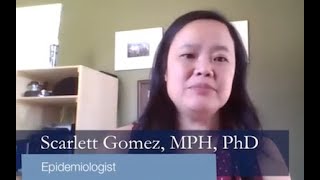
Watch & Learn
Curated videos to help you explore

Helpful Resources
Articles and guides for deeper learning
Frequently Asked Questions
Quick answers to common questions
QWhat is the typical work environment for an epidemiologist?
Epidemiologists work in various settings, including government health agencies, hospitals, research institutions, universities, and private companies. Some roles may involve fieldwork, while others are office-based or hybrid, allowing for remote work.
QWhat are the key skills needed to become an epidemiologist?
Key skills include strong analytical and problem-solving abilities, statistical knowledge, data analysis software proficiency, excellent communication skills (written and verbal), and attention to detail. Understanding of public health principles is also crucial.
QIs a Master's degree required to be an epidemiologist?
While a Bachelor's degree in a related field can be a starting point, most professional epidemiologist positions, especially those involving research or advanced analysis, require a Master's degree in public health (MPH) with a concentration in epidemiology or a related field. Some research-intensive roles may require a Ph.D.
Explore All 1,500+ Careers
Browse our full career explorer or take an assessment to get personalised recommendations.