Biostatistician
Also known as: Biostatistician, Biostatistician
Biostatisticians are like detectives for health data! They use their strong math and statistics skills to collect, analyze, and interpret information related to human, animal, and environmental health. This helps researchers and scientists understand diseases, test new medicines, and figure out how to keep people healthy. Essentially, they turn complex data into clear answers that can lead to life-saving discoveries and better public health policies.
5
Skills to Learn
7
Career Levels
5
Top Companies
5
Education Paths
Sneak Peek
Do you enjoy solving puzzles and want to make a real difference in people's health? Imagine being at the forefront of medical breakthroughs, using your love for numbers to help understand and fight diseases!
What does a Biostatistician do?
Biostatisticians are like detectives for health data! They use their strong math and statistics skills to collect, analyze, and interpret information related to human, animal, and environmental health. This helps researchers and scientists understand diseases, test new medicines, and figure out how to keep people healthy.
- Salary in India
- ₹5 to ₹10 lakh a year
- Demand
- Stable
- Remote work
- Hybrid
- Industry
- Healthcare
Is This Career For You?
Discover if your personality matches this career
Your Personality Fit (RIASEC)
You enjoy collecting and analyzing data to solve complex problems, especially in health and biology.
You have a knack for organizing data, following systematic processes, and ensuring accuracy in statistical analysis.
You like working with data and using practical methods to understand biological and health-related phenomena.
You are interested in how data can improve public health and contribute to the well-being of communities.
You may enjoy leading projects or communicating findings, but the core of the role is data analysis and problem-solving.
While not the primary focus, your creativity can be applied to finding innovative ways to visualize and communicate data insights.
You'll Love This Career If...
Like what you see? Get full access.
Save this career, compare with others, and get your personalized career plan.
50,000+ students already signed up
A Day in the Life
What your typical workday looks like
A typical day for a biostatistician involves collaborating with a team of researchers and scientists. You might spend your morning designing a study or clinical trial to answer a specific health question, then dive into analyzing large sets of data collected from experiments or patient records. In the afternoon, you could be interpreting those results, preparing reports, or writing up findings for scientific papers and presentations to share your crucial insights with the world.
Myth vs Reality
Tap to reveal the truth behind common misconceptions
Skills You'll Need
Master these to excel in this career
Technical Skills
3Statistical Analysis
Understanding and application of statistical methods and tools.
Data Management
Handling and organizing large datasets.
Programming Skills
Proficiency in programming languages like R or Python.
Soft Skills
1Communication Skills
Ability to convey complex statistical findings to non-experts.
Domain Skills
1Regulatory Knowledge
Understanding of industry regulations and compliance requirements.
Tools of the Trade
Software and tools you'll work with daily
Software
R
A popular programming language and free software environment for statistical computing and graphics.
Python
A versatile programming language used for data analysis, machine learning, and statistical modeling.
SAS
Statistical software widely used in industry for data management, advanced analytics, and business intelligence.
SQL
A standard language for managing and querying databases, essential for accessing and manipulating large datasets.
MATLAB
A programming platform used for numerical computation, visualization, and algorithm development, particularly in scientific research.
Want to build these skills?
Get a personalized learning roadmap and save careers that match your profile.
50,000+ students already signed up
Your Learning Path
Step-by-step guide to getting started
Build a Strong Foundation in Math and Science
Start by excelling in high school courses like Algebra, Calculus, Statistics, and Biology. These subjects will give you the fundamental knowledge needed to understand statistical concepts and biological principles.
Earn a Bachelor's Degree in a Quantitative Field
Pursue a bachelor's degree in Statistics, Mathematics, Computer Science, or a related field. Focus on courses in statistical theory, programming, and data analysis.
Gain Practical Experience and Specialized Skills
Seek internships or research opportunities where you can apply your skills. Learn programming languages like R and Python, and get familiar with statistical software like SAS. Consider online courses or certifications in biostatistics or data science.
Pursue a Master's Degree for Advanced Roles
For many biostatistician positions, a master's degree in Biostatistics, Statistics, or Public Health is required or highly recommended. This advanced education will deepen your expertise and open up more specialized career opportunities.
Career Progression
How your career will grow over time
Biostatistics Assistant
EntrySupports the biostatistics team by performing data entry, conducting basic statistical analyses, and generating routine reports under close supervision.
- Performing data entry
- Conducting basic statistical analyses
- Generating routine reports
Biostatistics Associate
Mid-LevelIndependently conducts standard statistical analyses, assists with the preparation of statistical sections of study protocols, and collaborates with researchers to interpret and present data findings.
- Conducting standard statistical analyses
- Assisting with study protocols
- Collaborating with researchers
Biostatistician
Mid-LevelUses statistical software to create programs for complex data manipulation, preparation of analytic data sets, statistical analyses, data management, and quality assurance.
- Creating programs for data manipulation
- Preparing analytic data sets
- Conducting statistical analyses
Biostatistician Senior
SeniorDesigns large-scale studies, develops innovative statistical methodologies, and ensures the integrity of data analysis.
- Designing large-scale studies
- Developing statistical methodologies
- Ensuring data integrity
Biostatistician Specialist
SeniorOversees specialized statistical analyses, mentors junior staff, and contributes to high-impact research projects.
- Overseeing specialized analyses
- Mentoring junior staff
- Contributing to high-impact projects
Biostatistician Lead
LeadershipCoordinates biostatistical efforts across multiple projects, leads a team of statisticians, and ensures methodological rigor.
- Coordinating biostatistical efforts
- Leading a team of statisticians
- Ensuring methodological rigor
Manager-Biostatistics
LeadershipOversees the entire biostatistics department, sets strategic goals, manages budgets, and ensures the delivery of high-quality statistical support.
- Overseeing the biostatistics department
- Setting strategic goals
- Managing budgets
Education Paths
Post-Secondary Certificate/Diploma
Associate Degree
Bachelor's Degree
B.Tech
Biostatistics
Master's Degree
M.Sc
Biostatistics
Doctoral Degree
PhD
Biostatistics
Top Hiring Companies
Salary & Future Growth
What you can earn and where the industry is headed
Salary Progression (INR)
Future Career OutlookCurrent Market: Stable
The demand for biostatisticians is currently stable, with a moderate growth outlook in the medium to long term. While the broader life sciences sector has seen some hiring slowdowns and increased competition, specialized analytical roles remain crucial.
The long-term outlook for biostatisticians is positive, driven by the increasing complexity of biological data, advancements in medical research, and the growing need for data-driven decision-making in healthcare and pharmaceuticals.
Biostatisticians are expected to remain in high demand as scientific research, personalized medicine, and data analytics continue to evolve. Their skills in interpreting complex health data will be invaluable for future medical breakthroughs and public health initiatives.
Not sure if Biostatistician is right for you?
Talk to a Stride counsellor for personalised guidance on whether this career fits your interests, strengths, and goals.
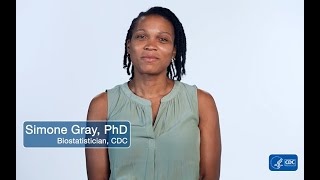
Watch & Learn
Curated videos to help you explore


Helpful Resources
Articles and guides for deeper learning
Frequently Asked Questions
Quick answers to common questions
QWhat is the typical educational background for a biostatistician?
Most biostatisticians hold at least a master's degree in biostatistics, statistics, or a related quantitative field. A Ph.D. is often required for research-focused or academic positions.
QWhat are the key differences between a statistician and a biostatistician?
While both roles involve data analysis, a biostatistician specializes in applying statistical methods to biological and health-related data, working in fields like medicine, public health, and pharmaceuticals.
QWhat are some common industries where biostatisticians work?
Biostatisticians are commonly found in pharmaceutical companies, biotechnology firms, hospitals, research institutions, government health agencies (like the CDC or FDA), and academic settings.
Explore All 1,500+ Careers
Browse our full career explorer or take an assessment to get personalised recommendations.