Fire Prevention Engineer
Also known as: Fire Protection Engineer, Fire Safety Engineer
Fire Prevention Engineers are responsible for analyzing potential fire hazards and developing strategies to prevent fires from starting or spreading. They work to ensure that buildings and facilities comply with fire safety codes and regulations. This involves inspecting structures, evaluating fire protection systems (like sprinklers and alarms), and recommending improvements to minimize risks.
8
Skills to Learn
4
Career Levels
2
Top Companies
2
Education Paths
Sneak Peek
Do you enjoy solving puzzles and making sure things are safe? Fire Prevention Engineers play a critical role in protecting buildings and people from fires. Imagine being the person who designs systems that can stop a fire before it even starts!
What does a Fire Prevention Engineer do?
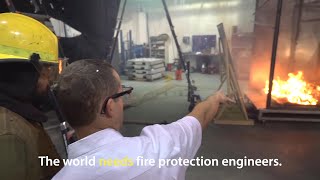
A Fire Prevention Engineer designs, develops, and implements strategies and systems to prevent fires and minimize their potential damage. This includes analyzing building plans, recommending safety features, and ensuring compliance with fire codes and regulations.
- Demand
- Growing
- Remote work
- Location-Bound
- Industry
- Fire Safety
Is This Career For You?
Discover if your personality matches this career
Your Personality Fit (RIASEC)
Likes to analyze, investigate, and understand how things work.
Enjoys working with tools, machinery, and physical objects to solve problems.
Enjoys organized systems, procedures, and detailed work.
Likes to lead, persuade, and work with others to achieve goals.
Enjoys helping, teaching, or interacting with people.
Prefers creative expression and less structured environments.
You'll Love This Career If...
Like what you see? Get full access.
Save this career, compare with others, and get your personalized career plan.
50,000+ students already signed up
A Day in the Life
What your typical workday looks like
A typical day might involve reviewing architectural plans for a new building to identify potential fire risks, inspecting a factory to ensure its fire suppression systems are up to code, or meeting with construction teams to discuss fire safety measures. You could also be investigating the cause of a past fire to prevent future incidents, or conducting training sessions on fire safety procedures.
Myth vs Reality
Tap to reveal the truth behind common misconceptions
Skills You'll Need
Master these to excel in this career
Technical Skills
2Fire Safety Systems Design
Designing fire prevention and suppression systems for buildings.
Risk Assessment
Evaluating potential fire hazards and developing strategies to mitigate them.
Soft Skills
5Project Management
Managing fire prevention projects from planning to execution.
Communication Skills
Effectively communicating fire safety plans and procedures to stakeholders.
Technical Writing
Creating detailed reports and documentation related to fire safety.
Continuous Learning
Staying updated with the latest fire safety technologies and regulations.
Team Collaboration
Working with architects, engineers, and other professionals to integrate fire safety measures.
Domain Skills
1Code Compliance
Understanding and ensuring compliance with fire safety regulations and codes.
Tools of the Trade
Software and tools you'll work with daily
Software
Building Information Modeling (BIM) Software
Used to create detailed 3D models of buildings to plan and analyze fire safety systems.
Fire Simulation Software
Used to model and predict how fires would spread in a building to test prevention strategies.
Platform
Code Compliance Databases
Digital resources for accessing and managing building codes, standards, and regulations relevant to fire safety.
Hardware
Personal Protective Equipment (PPE)
Includes items like hard hats, safety glasses, and safety vests for site inspections.
Want to build these skills?
Get a personalized learning roadmap and save careers that match your profile.
50,000+ students already signed up
Your Learning Path
Step-by-step guide to getting started
High School Foundations
Focus on math and science courses like algebra, geometry, physics, and chemistry. English classes are also important for clear communication.
Bachelor's Degree in Engineering
Pursue a degree in Fire Protection Engineering, Mechanical Engineering, or Civil Engineering. Gain a strong understanding of fluid dynamics, thermodynamics, and structural analysis.
Gain Practical Experience
Seek internships or entry-level positions in fire safety consulting firms, engineering companies, or government agencies. Work on real-world projects under experienced engineers.
Professional Licensure and Specialization
Obtain your Professional Engineer (PE) license. Consider specializing in areas like fire modeling, code consulting, or system design.
Career Progression
How your career will grow over time
Junior Fire Prevention Engineer
EntryAssists senior engineers in conducting inspections, designing systems, and preparing reports.
- Conduct inspections under supervision
- Assist in designing fire protection systems
- Prepare draft reports and documentation
Fire Prevention Engineer
Mid-LevelIndependently conducts inspections, designs fire protection systems, and prepares reports.
- Conduct independent inspections
- Design fire protection systems
- Prepare reports and documentation
Senior Fire Prevention Engineer
SeniorLeads projects, provides expert consultation, and oversees junior engineers.
- Lead projects and teams
- Provide expert consultation
- Oversee junior engineers
Fire Prevention Engineering Manager
LeadershipManages a team of engineers, sets strategic direction, and ensures compliance with regulations.
- Manage a team of engineers
- Set strategic direction
- Ensure compliance with regulations
Education Paths
Bachelor's Degree
B.Tech
Fire Safety Engineering
Master's Degree
M.Sc
Fire Safety Engineering
Top Hiring Companies
Salary & Future Growth
What you can earn and where the industry is headed
Salary Progression (INR)
Future Career OutlookCurrent Market: Growing
Fire Prevention Engineers are crucial in ensuring safety in buildings and public spaces. Their role involves designing and implementing systems to prevent fires, mitigate their impact, and comply with safety regulations. The demand for these professionals is expected to remain steady as building codes evolve and safety standards become more stringent.
With increasing urbanization and the construction of complex structures, the need for specialized fire safety engineering will continue to grow. Advancements in materials science and smart building technologies will also create new challenges and opportunities for fire prevention engineers to innovate and adapt.
As climate change presents new risks and societies become more reliant on sophisticated infrastructure, the role of fire prevention engineers will become even more vital. Their expertise will be essential in developing resilient safety strategies for future environments and technologies.
Not sure if Fire Prevention Engineer is right for you?
Talk to a Stride counsellor for personalised guidance on whether this career fits your interests, strengths, and goals.
Watch & Learn
Curated videos to help you explore


Helpful Resources
Articles and guides for deeper learning
Frequently Asked Questions
Quick answers to common questions
QWhat kind of education is needed?
Typically, a bachelor's degree in Fire Protection Engineering, Mechanical Engineering, or a related field is required. Professional certifications and licenses are often necessary as well.
QWhat are the main challenges in this career?
Challenges include keeping up with rapidly evolving building codes and technologies, dealing with complex regulatory environments, and sometimes working in high-pressure situations during emergencies or inspections.
Explore All 1,500+ Careers
Browse our full career explorer or take an assessment to get personalised recommendations.