Geothermal Technician
Also known as: Geothermal Energy Technician, Geothermal Field Technician
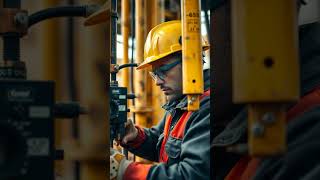
A Geothermal Technician is a skilled professional who works with systems that tap into the Earth's heat to generate energy. They are involved in the installation, maintenance, and repair of geothermal power plants and heating/cooling systems. This includes monitoring equipment, collecting data, and ensuring that the systems operate efficiently and safely, playing a crucial role in the development and use of renewable energy.
9
Skills to Learn
4
Career Levels
3
Top Companies
3
Education Paths
Sneak Peek
Have you ever wondered where the heat deep inside the Earth goes, and how we can use it to power our lives? Imagine being at the forefront of harnessing this natural energy, working with cutting-edge technology to bring clean power to communities!
What does a Geothermal Technician do?
A Geothermal Technician is a skilled professional who works with systems that tap into the Earth's heat to generate energy. They are involved in the installation, maintenance, and repair of geothermal power plants and heating/cooling systems. This includes monitoring equipment, collecting data, and ensuring that the systems operate efficiently and safely, playing a crucial role in the development and use of renewable energy.
- Salary in India
- ₹3.5 to ₹12 lakh a year
- Demand
- Growing
- Remote work
- Location-Bound
- Industry
- Geothermal Energy
Is This Career For You?
Discover if your personality matches this career
Your Personality Fit (RIASEC)
Enjoy hands-on work, fixing things, and working with tools and machinery. Geothermal technicians often work with drilling equipment and power systems.
Like to solve problems, analyze data, and understand how things work. This is important for diagnosing issues and optimizing geothermal systems.
Appreciate structured work, following procedures, and maintaining records. This is relevant for safety protocols and system maintenance.
May involve some aspects of project management or sales in more senior roles, but not central to the day-to-day tasks.
While teamwork is involved, the role doesn't heavily focus on helping or teaching others.
Not typically a primary fit, as the role is more technical and practical than creative.
You'll Love This Career If...
Like what you see? Get full access.
Save this career, compare with others, and get your personalized career plan.
50,000+ students already signed up
A Day in the Life
What your typical workday looks like
Your day might start with checking pressure gauges and temperature readings on a geothermal wellhead, then heading out to a project site to help install new piping for a geothermal heating system. You could be troubleshooting a pump malfunction, analyzing data from a sensor, or working alongside engineers to ensure a new geothermal plant is running smoothly. Some days involve fieldwork, while others are spent in an office or workshop planning and reviewing system performance.
Myth vs Reality
Tap to reveal the truth behind common misconceptions
Skills You'll Need
Master these to excel in this career
Technical Skills
2Technical Problem Solving
Ability to diagnose and solve technical issues in geothermal systems.
Data Analysis
Skill in analyzing data to optimize geothermal system performance.
Soft Skills
4Team Collaboration
Ability to work effectively with team members and other professionals.
Project Management
Capability to manage projects from start to finish.
Communication Skills
Effective verbal and written communication skills.
Continuous Learning
Commitment to ongoing education and skill development.
Domain Skills
3Geothermal Energy Systems
Knowledge of geothermal energy systems and how they function.
Safety Protocols
Understanding of safety procedures and protocols in geothermal operations.
Field Work
Experience with fieldwork and outdoor operations.
Tools of the Trade
Software and tools you'll work with daily
Hardware
Drilling Rigs
Large machines used to drill deep wells to access geothermal heat.
Pumps and Valves
Equipment used to move geothermal fluids (like hot water or steam) and control their flow.
Turbines and Generators
Machinery that converts the heat energy from the Earth into electricity.
Heat Exchangers
Devices that transfer heat from one fluid to another, crucial for heating and cooling systems.
Multimeters and Diagnostic Tools
Instruments used to measure electrical properties and troubleshoot system issues.
Safety Equipment (PPE)
Personal protective gear like hard hats, safety glasses, gloves, and steel-toed boots, essential for working on-site.
Software
Control Systems Software
Programs used to monitor and control the operation of geothermal power plants or heating/cooling systems.
Platform
SCADA Systems
Supervisory Control and Data Acquisition systems used to monitor and manage industrial processes remotely.
Want to build these skills?
Get a personalized learning roadmap and save careers that match your profile.
50,000+ students already signed up
Your Learning Path
Step-by-step guide to getting started
Understand Renewable Energy Basics
Start by learning about different types of renewable energy, like solar, wind, and geothermal. Focus on how the Earth's natural heat can be used to generate power or provide heating and cooling. Online courses and introductory books are great resources.
Explore Geothermal Technology Fundamentals
Dive deeper into how geothermal systems work. Learn about drilling techniques, heat exchangers, turbines, and the power generation process. Look for courses or articles specifically on geothermal energy systems.
Gain Practical Skills and Safety Training
Focus on hands-on skills needed for the job, such as using tools, understanding electrical systems, and performing maintenance. Safety is crucial, so complete any required safety certifications for working with heavy machinery and in industrial environments.
Seek Internships or Entry-Level Positions
Look for opportunities to work alongside experienced geothermal technicians. This real-world experience is invaluable for learning the trade, understanding site operations, and building your professional network.
Career Progression
How your career will grow over time
Junior Geothermal Technician
EntryAssists in the maintenance and operation of geothermal systems.
- Perform routine checks on geothermal equipment.
- Assist in troubleshooting and repairing geothermal systems.
- Maintain logs and records of system performance.
Geothermal Technician
Mid-LevelResponsible for the maintenance and operation of geothermal systems.
- Conduct regular inspections and maintenance of geothermal systems.
- Diagnose and repair faults in geothermal equipment.
- Ensure compliance with safety and environmental regulations.
Senior Geothermal Technician
SeniorOversees the operation and maintenance of geothermal systems.
- Supervise junior technicians and coordinate maintenance schedules.
- Implement improvements to geothermal systems for efficiency.
- Provide training and guidance to new technicians.
Geothermal Systems Manager
LeadershipManages the overall operation of geothermal systems and projects.
- Oversee project planning and execution for geothermal installations.
- Manage budgets and resources for geothermal projects.
- Ensure the quality and performance of geothermal systems.
Education Paths
Post-Secondary Certificate/Diploma
Geothermal Energy Technology
Associate Degree
Geothermal Energy Technology
Bachelor's Degree
Geothermal Engineering
Top Hiring Companies
Salary & Future Growth
What you can earn and where the industry is headed
Salary Progression (INR)
Future Career OutlookCurrent Market: Growing
The demand for Geothermal Technicians is growing as the world seeks more renewable energy sources. This role is crucial in developing and maintaining geothermal power generation systems.
Geothermal energy is a key component of sustainable energy strategies. As technology advances and the need for clean energy intensifies, Geothermal Technicians will remain in high demand, with opportunities in system design, installation, and maintenance.
The long-term outlook for Geothermal Technicians is very positive. Geothermal power offers a consistent and reliable source of renewable energy, making it a cornerstone of future energy grids. Continuous innovation in extraction and utilization techniques will ensure sustained demand for skilled technicians.
Not sure if Geothermal Technician is right for you?
Talk to a Stride counsellor for personalised guidance on whether this career fits your interests, strengths, and goals.
Watch & Learn
Curated videos to help you explore



Helpful Resources
Articles and guides for deeper learning
Frequently Asked Questions
Quick answers to common questions
QWhat kind of education do I need to become a Geothermal Technician?
Typically, a high school diploma or GED is required, along with vocational training or an associate's degree in a relevant field like electrical technology, mechanical technology, or a related engineering discipline. Some employers may also seek certifications.
QWhat are the main responsibilities of a Geothermal Technician?
Geothermal Technicians are responsible for installing, maintaining, and repairing geothermal energy systems. This includes working with drilling equipment, pumps, turbines, and control systems to ensure efficient and safe operation.
QWhat is the typical work environment for a Geothermal Technician?
The work environment can vary, often involving both indoor work in power plants or control rooms and outdoor work at geothermal sites, which can be in diverse geographical locations. Some tasks may involve working in confined spaces or at heights, and often require working in various weather conditions.
Explore All 1,500+ Careers
Browse our full career explorer or take an assessment to get personalised recommendations.