Investor
Also known as: Investment Professional, Capital Manager, Portfolio Manager
Investors play a crucial role in the economy by providing capital to businesses and projects, fueling growth and innovation. They meticulously research market trends, analyze financial data, and identify opportunities to invest in stocks, bonds, real estate, or new ventures. Their goal is to generate returns on their investments through a combination of income and capital appreciation, while managing the associated risks.
8
Skills to Learn
5
Career Levels
27
Top Companies
3
Education Paths
Sneak Peek
Do you enjoy analyzing trends, making strategic decisions, and watching your investments grow? If you
What does an Investor do?
Investors play a crucial role in the economy by providing capital to businesses and projects, fueling growth and innovation. They meticulously research market trends, analyze financial data, and identify opportunities to invest in stocks, bonds, real estate, or new ventures. Their goal is to generate returns on their investments through a combination of income and capital appreciation, while managing the associated risks.
- Salary in India
- ₹6 to ₹20 lakh a year
- Demand
- Growing
- Remote work
- Hybrid
- Industry
- Finance
Is This Career For You?
Discover if your personality matches this career
Your Personality Fit (RIASEC)
You enjoy analyzing information, understanding how things work, and solving complex problems. Investors often research market trends, company performance, and economic factors.
You like working with data, following procedures, and maintaining accuracy. Investors need to be organized, detail-oriented, and follow established financial practices.
You are persuasive, enjoy leading, and are motivated by challenges and financial rewards. While not always leading, investors often make strategic decisions with the goal of financial growth.
You prefer hands-on activities and working with tangible things. Investing is primarily analytical and conceptual, rather than physical.
You prefer creative expression and non-structured environments. Investing typically involves more analytical and data-driven tasks than creative ones.
You enjoy helping others and working in teams. While some investors work with clients, the core of investing is often independent analysis and decision-making.
You'll Love This Career If...
Like what you see? Get full access.
Save this career, compare with others, and get your personalized career plan.
50,000+ students already signed up
A Day in the Life
What your typical workday looks like
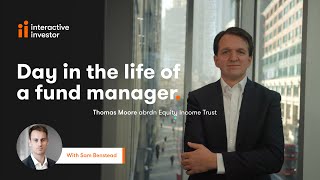
A typical day for an investor involves a mix of research, analysis, and strategic decision-making. You might start by reviewing market news and economic reports, then dive into analyzing specific company financials or industry trends. Throughout the day, you could be researching potential investment opportunities, monitoring existing portfolios, meeting with financial advisors or company management, and executing trades or making investment decisions.
Myth vs Reality
Tap to reveal the truth behind common misconceptions
Skills You'll Need
Master these to excel in this career
Technical Skills
4Financial Analysis
Analyzing financial data to make informed investment decisions.
Portfolio Management
Managing a collection of investments to maximize returns.
Market Research
Gathering and analyzing data about market conditions and trends.
Risk Management
Identifying, assessing, and mitigating investment risks.
Soft Skills
3Communication Skills
Effectively conveying ideas and information to others.
Decision Making
Making informed choices based on available data and analysis.
Networking
Building and maintaining professional relationships.
Domain Skills
1Regulatory Knowledge
Understanding and complying with financial regulations and laws.
Tools of the Trade
Software and tools you'll work with daily
Platform
Trading platforms (e.g., Zerodha, Groww, Upstox)
Websites or apps used to buy and sell stocks, ETFs, and other financial assets.
Demat Account
A digital locker to hold your shares and securities electronically.
Investment Apps
Mobile applications that provide trading functionalities, tutorials, and market information.
Financial News Websites (e.g., Economic Times, Moneycontrol)
Sources for staying updated on market trends, economic news, and company information.
Educational Resources (e.g., Zerodha Varsity, Coursera, Udemy)
Online courses, articles, and videos that teach investing concepts and strategies.
Software
Spreadsheets (e.g., Google Sheets, Microsoft Excel)
Used for tracking investments, analyzing data, and creating financial models.
Charting Tools
Software that visualizes stock prices and historical data to help identify trends.
Want to build these skills?
Get a personalized learning roadmap and save careers that match your profile.
50,000+ students already signed up
Your Learning Path
Step-by-step guide to getting started
Understand the Basics
Start by learning fundamental concepts like what stocks, bonds, and ETFs are. Watch explainer videos, read beginner-friendly blogs, and explore investment apps that offer tutorials. Focus on understanding why people invest and the basic idea of buying low and selling high.
Choose Your Broker and Set Up Accounts
Research and select a trustworthy online broker based on fees, features, and ease of use. Complete the online application process for your Demat and trading accounts, which typically involves providing identification documents like your PAN and Aadhaar card.
Practice with a Demo Account and Start Small
Before investing real money, use a demo or virtual trading account if available to practice making trades without risk. When you're ready, make your first real investment with a small amount of money in a well-known company or a diversified fund. This helps you get comfortable with the process.
Learn Continuously and Manage Risk
Regularly follow market news, read financial reports, and learn about different investment strategies. Always practice risk management by setting stop-loss orders and diversifying your portfolio. Review your trades and learn from both your successes and mistakes.
Career Progression
How your career will grow over time
Analyst
EntryConducting research and preparing financial models.
- Financial modeling
- Research
- Supporting deals
Associate
Mid-LevelManaging analysts and coordinating deals.
- Team supervision
- Client presentations
- Deal support
Vice President
SeniorLeading deals and client interactions.
- Deal management
- Client interaction
- Team supervision
Director / Executive Director
LeadershipStrategic decision-making and revenue generation.
- Strategic decision-making
- Revenue responsibility
- Mentorship
Managing Director
LeadershipLeading bank strategy and client acquisition.
- Client acquisition
- Deal negotiation
- Bank leadership
Education Paths
Bachelor's Degree
B.A.
Economics
Master's Degree
M.A.
Finance
Post-Doctoral
PhD
Economics
Top Hiring Companies
Salary & Future Growth
What you can earn and where the industry is headed
Salary Progression (INR)
Future Career OutlookCurrent Market: Growing
The role of an investor involves analyzing financial markets, identifying investment opportunities, and managing portfolios to generate returns. This requires a deep understanding of economic trends, company performance, and risk assessment. Investors often work with clients to understand their financial goals and tailor investment strategies accordingly.
The financial industry is constantly evolving with technological advancements, and investors need to adapt to new tools and strategies. The increasing complexity of global markets and the growing need for financial planning suggest a sustained demand for skilled investors. There's a trend towards data-driven investment strategies and the use of AI in financial analysis.
As economies grow and global interconnectedness increases, the need for sophisticated financial management and investment will persist. Technological advancements will continue to shape the profession, with a greater emphasis on quantitative analysis and digital platforms. Investors who can leverage new technologies and adapt to changing market dynamics will remain in high demand.
Not sure if Investor is right for you?
Talk to a Stride counsellor for personalised guidance on whether this career fits your interests, strengths, and goals.
Watch & Learn
Curated videos to help you explore



Helpful Resources
Articles and guides for deeper learning
Frequently Asked Questions
Quick answers to common questions
QWhat education is typically required to become an investor?
A bachelor's degree in finance, economics, business, or a related field is usually the minimum requirement. Many investors also pursue advanced degrees or professional certifications like the Chartered Financial Analyst (CFA) designation.
QWhat are the typical work hours for an investor?
Work hours can be demanding, especially during market volatility or when meeting client deadlines. While some roles offer hybrid or flexible schedules, many investors are expected to be available during market trading hours, which can extend beyond a typical 9-to-5.
QWhat is the difference between an investor and a financial advisor?
While both roles involve managing money, financial advisors typically focus on a client's overall financial plan, including retirement, insurance, and estate planning. Investors, on the other hand, primarily focus on selecting and managing investments to grow a client's assets.
QAre there specific skills that are particularly important for investors?
Key skills include strong analytical and quantitative abilities, critical thinking, problem-solving, excellent communication and interpersonal skills, and a solid understanding of financial markets and economic principles. Adaptability and a continuous learning mindset are also crucial.
QWhat are the biggest challenges facing investors today?
Challenges include navigating market volatility, keeping up with rapidly evolving financial technologies and regulations, managing client expectations, and maintaining ethical standards in a competitive landscape.
Explore All 1,500+ Careers
Browse our full career explorer or take an assessment to get personalised recommendations.