Legal Advisor
Also known as: Legal Counsel, Lawyer, Attorney
A Legal Advisor, also known as a Legal Counsel or Lawyer, provides expert legal guidance to individuals or organizations. They interpret laws, regulations, and legal documents, and advise clients on their rights and obligations. This involves researching complex legal issues, drafting legal documents, and representing clients in negotiations or legal proceedings to protect their interests and ensure compliance with the law.
20
Skills to Learn
4
Career Levels
15
Top Companies
2
Education Paths
Sneak Peek
Do you enjoy solving puzzles and figuring out the best way to approach a problem? Do you have a knack for understanding rules and making sure things are done correctly?
What does a Legal Advisor do?
A Legal Advisor, also known as a Legal Counsel or Lawyer, provides expert legal guidance to individuals or organizations. They interpret laws, regulations, and legal documents, and advise clients on their rights and obligations. This involves researching complex legal issues, drafting legal documents, and representing clients in negotiations or legal proceedings to protect their interests and ensure compliance with the law.
- Salary in India
- ₹6 to ₹22.5 lakh a year
- Demand
- Growing
- Remote work
- Hybrid
- Industry
- Legal Services
Is This Career For You?
Discover if your personality matches this career
Your Personality Fit (RIASEC)
You enjoy deep research, analysis, and problem-solving, which are crucial for understanding complex legal issues.
You are detail-oriented, organized, and precise, which is essential for drafting legal documents and ensuring compliance.
You can effectively communicate and advise clients, helping them navigate difficult situations.
You can be persuasive and skilled in negotiation, which is beneficial when representing clients or drafting agreements.
While creativity is less central, innovative legal strategies can be a plus.
The role is more analytical and communicative than hands-on or physical.
You'll Love This Career If...
Like what you see? Get full access.
Save this career, compare with others, and get your personalized career plan.
50,000+ students already signed up
A Day in the Life
What your typical workday looks like
Imagine your day starts with reviewing new contracts for a growing tech company, making sure all the clauses protect the business. Later, you might be researching a complex legal question for the management team, perhaps about a new government regulation. You could spend time in meetings, explaining legal risks and options in a way that everyone understands, or even drafting a formal legal document. Some days might involve representing your organization in important discussions or negotiations, always aiming for the best possible outcome while staying within the bounds of the law.
Myth vs Reality
Tap to reveal the truth behind common misconceptions
Skills You'll Need
Master these to excel in this career
Technical Skills
9Analytical Skills
Ability to analyze complex legal issues and provide sound advice.
Attention to Detail
High level of accuracy in reviewing and interpreting legal documents.
Problem-Solving Skills
Ability to identify legal issues and develop effective solutions.
Research Skills
Skill in conducting thorough legal research using various resources.
Technical Proficiency
Familiarity with legal software and technology tools.
Strategic Thinking
Ability to think strategically about legal issues and their implications.
Project Management
Skill in managing legal projects and ensuring timely completion.
Critical Thinking
Ability to evaluate information and make reasoned judgments.
Continuous Learning
Commitment to staying updated with changes in laws and legal practices.
Soft Skills
9Communication Skills
Effective verbal and written communication to convey legal advice clearly.
Negotiation Skills
Ability to negotiate favorable terms in legal agreements.
Time Management
Effective management of time to meet deadlines and handle multiple tasks.
Interpersonal Skills
Ability to build and maintain professional relationships with clients and colleagues.
Adaptability
Flexibility to adapt to changing legal environments and client needs.
Conflict Resolution
Skill in resolving legal disputes and conflicts amicably.
Cultural Awareness
Understanding of cultural differences and their impact on legal practices.
Client Management
Skill in managing client expectations and providing excellent service.
Team Collaboration
Ability to work effectively within a team to achieve common goals.
Domain Skills
2Legal Knowledge
Deep understanding of laws, regulations, and legal principles relevant to the role.
Ethical Judgment
Strong ethical standards and judgment in providing legal advice.
Tools of the Trade
Software and tools you'll work with daily
Software
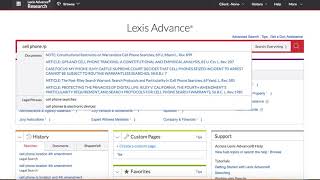
Legal Databases (e.g., LexisNexis, Westlaw)
Online resources for researching laws, cases, and legal precedents.
Document Management Systems
Software to organize, store, and retrieve legal documents efficiently.
Contract Lifecycle Management (CLM) Software
Tools to manage contracts from creation to execution and renewal.
Legal Practice Management Software
Platforms to manage client information, billing, scheduling, and case files.
Platform
Court Filing Systems
Electronic systems used to file documents with courts.
Want to build these skills?
Get a personalized learning roadmap and save careers that match your profile.
50,000+ students already signed up
Your Learning Path
Step-by-step guide to getting started
Build a Strong Foundation
Focus on strong academic performance in high school, especially in subjects like English, History, and Social Studies. Develop excellent reading comprehension and critical thinking skills.
Earn a Law Degree
Complete a Bachelor of Laws (LLB) degree, which typically takes 3 or 5 years. This will cover fundamental legal principles, theories, and practices.
Pass the Bar Exam & Gain Experience
After your degree, pass the Bar Council examination to get licensed. Simultaneously, gain practical experience through internships at law firms or corporate legal departments to apply your knowledge.
Specialize and Network
Consider pursuing a Master of Laws (LLM) in a specialized area like corporate law or intellectual property. Actively network with legal professionals through conferences and industry events to build connections and find opportunities.
Career Progression
How your career will grow over time
Junior Legal Advisor
EntryAssists senior advisors in drafting legal documents and resolving disputes.
- Assist in drafting legal documents
- Conduct legal research
- Support senior advisors in dispute resolution
Associate Legal Advisor
Mid-LevelHandles moderate complexity cases and provides legal advice independently.
- Draft legal documents independently
- Conduct in-depth legal research
- Provide legal advice to clients
Senior Legal Advisor
SeniorManages high-complexity cases and leads a team of legal advisors.
- Lead complex legal projects
- Mentor junior advisors
- Develop legal strategies for clients
Chief Legal Advisor
LeadershipOversees the entire legal department and sets strategic direction.
- Oversee legal department operations
- Set legal strategy for the organization
- Ensure compliance with laws and regulations
Education Paths
Bachelor's Degree
LLB
Law
Master's Degree
LLM
Law
Top Hiring Companies
Salary & Future Growth
What you can earn and where the industry is headed
Salary Progression (INR)
Future Career OutlookCurrent Market: Growing
The current outlook for Legal Advisors is strong, with a growing demand driven by economic expansion, increasing international investments, and the complexity of legal and regulatory frameworks. The Indian legal services sector is projected to reach USD 67.4 billion by 2030, growing at a CAGR of 10.1% annually. This translates to real opportunities across various specializations.
The medium to long-term outlook for Legal Advisors remains very positive. The increasing complexity of business environments, globalization, and technological advancements will continue to fuel the need for legal expertise. Emerging areas like cyber law, data privacy, and fintech law are expected to see significant growth, ensuring sustained demand.
Looking further ahead, the role of Legal Advisors will likely evolve with technology, but the core need for legal counsel will persist. As regulations adapt to new technologies and global challenges, Legal Advisors will be crucial in navigating these complexities. The profession is expected to remain stable and in demand, adapting to new challenges and opportunities.
Not sure if Legal Advisor is right for you?
Talk to a Stride counsellor for personalised guidance on whether this career fits your interests, strengths, and goals.
Watch & Learn
Curated videos to help you explore




Helpful Resources
Articles and guides for deeper learning
Frequently Asked Questions
Quick answers to common questions
QWhat is the difference between a lawyer and a legal advisor?
A lawyer is a broad term for someone licensed to practice law. A legal advisor is a type of lawyer who typically provides guidance and counsel to clients on legal matters, often working in-house for a company or as a consultant, rather than primarily handling litigation.
QWhat are the key challenges in the legal profession?
The legal profession can be demanding, with rigorous study, long working hours, and high-pressure situations. Early career stages, especially in litigation, can be financially challenging, and maintaining work-life balance can be difficult.
QWhat kind of person is a good fit for a career in law?
A good fit for a career in law is someone who is intellectually curious, enjoys problem-solving, has strong analytical and communication skills, can handle pressure, and is committed to continuous learning and ethical practice.
Explore All 1,500+ Careers
Browse our full career explorer or take an assessment to get personalised recommendations.