Logistics Analyst
Also known as: Logistics Data Analyst, Supply Chain Analyst, Logistics Specialist
A Logistics Analyst is a problem-solver who makes sure that goods, materials, and products get where they need to be, when they need to be there, and at the best possible cost. They analyze how things move – from factories to warehouses to customers – and find ways to make the process faster, cheaper, and more reliable. This involves tracking shipments, managing inventory, and looking for opportunities to improve the entire supply chain.
9
Skills to Learn
15
Career Levels
10
Top Companies
2
Education Paths
Sneak Peek
Ever wondered how your online orders get to your doorstep so quickly and efficiently? It’s all thanks to the behind-the-scenes magic of logistics! If you love solving puzzles and making sure things run like a well-oiled machine, a career as a Logistics Analyst might be your perfect fit.
What does a Logistics Analyst do?
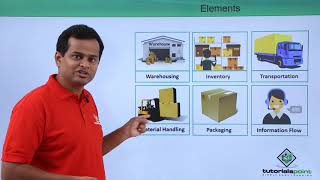
A Logistics Analyst studies and analyzes an organization's supply chain to find ways to make it more efficient and cost-effective. They look at transportation, warehousing, inventory, and order fulfillment.
- Salary in India
- ₹4.5 to ₹12 lakh a year
- Demand
- Growing
- Remote work
- Hybrid
- Industry
- Logistics
Is This Career For You?
Discover if your personality matches this career
Your Personality Fit (RIASEC)
Likes to analyze information, solve complex problems, and understand how things work.
Enjoys working with hands-on tasks, practical problem-solving, and tangible results.
Values order, structure, and accuracy in tasks.
Likes to influence, lead, and persuade others.
Enjoys helping and interacting with others, but less central to this role.
Prefers creative expression and less structured environments.
You'll Love This Career If...
Like what you see? Get full access.
Save this career, compare with others, and get your personalized career plan.
50,000+ students already signed up
A Day in the Life
What your typical workday looks like
Your day as a Logistics Analyst might start with checking on the status of ongoing shipments, looking at dashboards that show inventory levels, and maybe running a report to see where delays are happening. You could spend time talking with shipping partners or warehouse teams to sort out any issues. Later, you might dive into data to identify trends, like why certain routes are taking longer than expected, and then present your findings and recommendations to your team to help improve the process for next time.
Myth vs Reality
Tap to reveal the truth behind common misconceptions
Skills You'll Need
Master these to excel in this career
Technical Skills
4Data Analysis
Analyzing data to improve supply chain efficiency.
Inventory Management
Managing and tracking inventory levels.
Knowledge of ERP Systems
Using enterprise resource planning systems like SAP.
Technical Skills
Proficiency in logistics software and tools.
Soft Skills
5Communication Skills
Communicating effectively with stakeholders.
Problem-Solving
Developing solutions to supply chain issues.
Time Management
Managing multiple tasks and deadlines.
Adaptability
Adjusting to changes in the logistics industry.
Attention to Detail
Ensuring accuracy in documentation and scheduling.
Tools of the Trade
Software and tools you'll work with daily
Software
Spreadsheet Software (e.g., Microsoft Excel, Google Sheets)
Used for data analysis, tracking, and creating reports.
Database Management Systems (e.g., SQL)
Helps in organizing and retrieving large amounts of logistical data.
Supply Chain Management (SCM) Software
Platforms designed to manage the entire supply chain process, from procurement to delivery.
Data Visualization Tools (e.g., Tableau, Power BI)
Used to create charts and dashboards that make complex data easier to understand.
Platform
Enterprise Resource Planning (ERP) Systems (e.g., SAP, Oracle)
Integrated systems that manage core business processes, including logistics and inventory.
Want to build these skills?
Get a personalized learning roadmap and save careers that match your profile.
50,000+ students already signed up
Your Learning Path
Step-by-step guide to getting started
Understand the Basics of Supply Chains
Start by learning what a supply chain is, including the different stages from sourcing raw materials to delivering the final product to the customer. Think about how your favorite products get to you.
Learn About Logistics Operations
Dive into the specifics of logistics: how goods are stored, how they are transported (truck, ship, air, rail), and how inventory is managed. Consider the challenges of getting items to a store on time.
Develop Analytical and Problem-Solving Skills
Practice analyzing information, identifying problems, and finding solutions. This could involve working with data sets in school projects or using online tutorials to improve your Excel or data analysis skills.
Explore Logistics Software and Systems
Get familiar with common tools used in the industry, such as spreadsheet software and basic supply chain or inventory management systems. Many offer free trials or educational versions.
Career Progression
How your career will grow over time
Warehouse Associate
EntryHandling inventory, packing and shipping goods, operating forklifts.
- Managing inventory
- Packing goods
- Operating forklifts
Logistics Coordinator
EntryManaging shipments, communicating with suppliers and customers, tracking deliveries.
- Managing shipments
- Communicating with suppliers and customers
- Tracking deliveries
Freight Broker/Dispatcher
EntryArranging transportation, negotiating rates, ensuring compliance with shipping regulations.
- Arranging transportation
- Negotiating rates
- Ensuring compliance with shipping regulations
Inventory Clerk
EntryManaging stock levels, performing audits, maintaining accurate records.
- Managing stock levels
- Performing audits
- Maintaining accurate records
Logistics Analyst
Mid-LevelAnalysing supply chain performance, identifying inefficiencies, recommending improvements.
- Analysing supply chain performance
- Identifying inefficiencies
- Recommending improvements
Supply Chain Specialist
Mid-LevelManaging supplier relationships, optimizing procurement strategies, improving operational efficiency.
- Managing supplier relationships
- Optimizing procurement strategies
- Improving operational efficiency
Transportation Supervisor
Mid-LevelOverseeing fleet operations, managing drivers, ensuring compliance with safety regulations.
- Overseeing fleet operations
- Managing drivers
- Ensuring compliance with safety regulations
Procurement Officer
Mid-LevelSourcing materials, negotiating contracts, maintaining supplier relationships.
- Sourcing materials
- Negotiating contracts
- Maintaining supplier relationships
Logistics Manager
SeniorLeading logistics teams, improving supply chain efficiency, ensuring cost-effective operations.
- Leading logistics teams
- Improving supply chain efficiency
- Ensuring cost-effective operations
Warehouse Manager
SeniorManaging warehouse operations, improving inventory systems, ensuring workplace safety.
- Managing warehouse operations
- Improving inventory systems
- Ensuring workplace safety
Supply Chain Manager
SeniorCoordinating procurement, production, and distribution processes to optimise the supply chain.
- Coordinating procurement
- Production
- Distribution processes
Operations Manager
SeniorOverseeing daily logistics operations, improving efficiency, ensuring compliance.
- Overseeing daily logistics operations
- Improving efficiency
- Ensuring compliance
Director of Logistics
LeadershipSetting logistics policies, managing budgets, leading high-level supply chain initiatives.
- Setting logistics policies
- Managing budgets
- Leading high-level supply chain initiatives
Vice President of Supply Chain
LeadershipOverseeing global supply chain strategies, managing supplier relationships, optimising logistics networks.
- Overseeing global supply chain strategies
- Managing supplier relationships
- Optimising logistics networks
Chief Supply Chain Officer (CSCO)
LeadershipLeading the entire supply chain function, driving innovation, ensuring long-term sustainability.
- Leading the entire supply chain function
- Driving innovation
- Ensuring long-term sustainability
Education Paths
Bachelor's Degree
B.Tech
Logistics Management
Master's Degree
M.Sc
Supply Chain Management
Top Hiring Companies
Salary & Future Growth
What you can earn and where the industry is headed
Salary Progression (INR)
Future Career OutlookCurrent Market: Growing
Logistics Analysts are in demand as companies aim to optimize their supply chains for efficiency and cost-effectiveness. The growth of e-commerce and global trade continues to drive the need for professionals who can manage and analyze complex logistics operations.
The role of a Logistics Analyst is expected to remain strong as businesses increasingly rely on sophisticated supply chain management to stay competitive. Advancements in technology, such as AI and automation, will likely transform the day-to-day tasks, requiring analysts to adapt and upskill.
Logistics will continue to be a critical function for businesses operating in a globalized economy. The demand for analysts who can leverage data, technology, and strategic thinking to navigate complex supply chains is projected to persist.
Not sure if Logistics Analyst is right for you?
Talk to a Stride counsellor for personalised guidance on whether this career fits your interests, strengths, and goals.
Watch & Learn
Curated videos to help you explore




Helpful Resources
Articles and guides for deeper learning
Frequently Asked Questions
Quick answers to common questions
QWhat skills are most important for a Logistics Analyst?
Key skills include analytical thinking, problem-solving, data analysis, knowledge of supply chain software, and strong communication.
QWhat is the typical career path for a Logistics Analyst?
Entry-level roles involve data collection and basic analysis. With experience, analysts can move into roles focused on strategy, optimization, and management, potentially leading teams or entire supply chain operations.
QCan a Logistics Analyst work remotely?
While some tasks can be done remotely, many Logistics Analyst roles involve on-site assessments of warehouses or operations, making a hybrid work model more common. Some companies may offer fully remote positions depending on the specific responsibilities.
Explore All 1,500+ Careers
Browse our full career explorer or take an assessment to get personalised recommendations.