Warehouse Clerk
Also known as: Warehouse Assistant, Inventory Clerk, Stock Clerk
Warehouse clerks are the backbone of the logistics world, making sure everything runs smoothly in places like warehouses and distribution centers. They are the ones who receive shipments, carefully pick out the items for customer orders, pack them up securely, and get them ready to be shipped out. Think of them as the crucial link that keeps products moving efficiently from the moment they arrive to the moment they leave, directly impacting how quickly and accurately customers get their goods.
26
Skills to Learn
4
Career Levels
13
Top Companies
3
Education Paths
Sneak Peek
Do you enjoy organizing things and making sure everything is in its right place? Ever wondered how items get from a big store to your doorstep so quickly?
What does a Warehouse Clerk do?
Warehouse clerks are the backbone of the logistics world, making sure everything runs smoothly in places like warehouses and distribution centers. They are the ones who receive shipments, carefully pick out the items for customer orders, pack them up securely, and get them ready to be shipped out.
- Demand
- Growing
- Remote work
- Location-Bound
- Industry
- Logistics and Supply Chain
Is This Career For You?
Discover if your personality matches this career
Your Personality Fit (RIASEC)
Enjoy hands-on work, operating machinery, and working with physical goods.
Benefit from organization, accuracy, and following procedures for managing stock and orders.
Interested in tracking inventory, solving discrepancies, and understanding how systems work.
May involve some coordination and problem-solving, but not a primary focus on leadership or sales.
Can enjoy teamwork but the role is not primarily focused on helping or caring for others.
Less focused on creative expression, more on structured tasks.
You'll Love This Career If...
Like what you see? Get full access.
Save this career, compare with others, and get your personalized career plan.
50,000+ students already signed up
A Day in the Life
What your typical workday looks like
Your day starts with checking the schedule and prioritizing tasks. You might spend your morning unloading incoming shipments, carefully checking each item against the order to make sure everything matches. Then, you could be busy organizing shelves, stocking new inventory using a scanner, and making sure products are easy to find. In the afternoon, you might be picking items for customer orders, packing them securely, and getting them ready for the delivery team. You’ll also be responsible for keeping the warehouse tidy and ensuring all the equipment is working properly.
Myth vs Reality
Tap to reveal the truth behind common misconceptions
Skills You'll Need
Master these to excel in this career
Technical Skills
7Warehouse Management Systems (WMS) operation
Using WMS to track inventory, optimize space, and manage order fulfillment.
Data Entry and Validation
Accurate and efficient data entry of logistics and inventory data.
Order Processing Software
Understanding workflows for sales orders, purchase orders, and returns.
Basic Database Management
Understanding data structures and querying simple reports.
Enterprise Resource Planning (ERP) systems
Using ERP systems for integrated operations.
Forklift Operation and Safety Certification
Safely operating forklifts and understanding operational context.
Basic Network Troubleshooting
Troubleshooting WMS terminals or scanning devices.
Soft Skills
16Organizational Skills
Managing diverse documentation and scheduling.
Attention to Detail
Ensuring accurate data entry and inventory reconciliation.
Problem-Solving
Identifying and resolving discrepancies and issues.
Communication Skills
Interacting effectively with warehouse staff, drivers, suppliers, and internal departments.
Time Management
Prioritizing tasks and meeting deadlines.
Adaptability
Responding to unexpected changes and system updates.
Reliability and Punctuality
Maintaining consistent administrative support.
Proactiveness
Anticipating potential issues and taking preventive action.
Leadership and Team Management
Motivating and directing warehouse staff, fostering a productive work environment.
Problem-Solving and Critical Thinking
Identifying and resolving operational bottlenecks and issues.
Communication and Interpersonal Skills
Conveying instructions and collaborating with other departments.
Organizational and Planning Skills
Scheduling labor, managing inventory flow, and optimizing space utilization.
Adaptability and Flexibility
Responding to fluctuating demand and changes in technology.
Decision-Making under Pressure
Making rapid, informed choices in a fast-paced environment.
Attention to Detail
Maintaining accurate inventory records and ensuring correct order fulfillment.
Cost Management and Efficiency Mindset
Identifying opportunities to reduce costs, improve productivity, and optimize resource allocation.
Domain Skills
3Inventory Management
Managing the flow of materials within a facility, ensuring accurate stock levels and timely availability.
Shipping and Receiving Documentation
Handling Bills of Lading, packing lists, customs forms, and proof of delivery.
Compliance and Safety Regulations
Adhering to OSHA, HAZMAT, and industry-specific standards.
Tools of the Trade
Software and tools you'll work with daily
Hardware
Forklift
Used to lift and move heavy pallets and large quantities of goods around the warehouse.
Pallet Jack
A manual or powered tool for lifting and moving pallets, useful for smaller loads or tighter spaces.
Barcode Scanner
Used to scan product barcodes for tracking inventory, managing orders, and updating stock levels.
Handheld Mobile Devices
Used by workers to receive instructions, scan items, update inventory, and communicate within the warehouse.
Safety Gear (Gloves, Safety Shoes, Hard Hats)
Protective equipment to ensure the safety of workers in a dynamic industrial environment.
Software
Warehouse Management System (WMS)
Software used to manage and track inventory, orders, and warehouse operations efficiently.
Want to build these skills?
Get a personalized learning roadmap and save careers that match your profile.
50,000+ students already signed up
Your Learning Path
Step-by-step guide to getting started
Understand the Basics
Start by learning about the daily tasks of a warehouse worker. This includes understanding how goods are received, stored, picked, and shipped. Familiarize yourself with common warehouse terms and the importance of safety procedures.
Develop Foundational Skills
Focus on building core skills like attention to detail, time management, and basic physical coordination. Practice organizing items and following instructions carefully. Learn about the importance of reliability and teamwork.
Get Certified (Optional but Recommended)
Explore training for operating equipment like forklifts or pallet jacks. Many employers prefer or require certifications, which can open up more job opportunities and lead to better pay. Look for accredited training programs.
Gain Practical Experience
Seek entry-level positions like Picker, Packer, or Goods In/Out Operative. Focus on performing your duties accurately and efficiently, showing initiative, and learning from experienced colleagues. This hands-on experience is key for career growth.
Career Progression
How your career will grow over time
Warehouse Clerk
EntryThis is an entry-level position responsible for receiving, processing, and storing inventory, as well as preparing orders for shipment.
- Order Preparation and Processing
- Receiving and Inventory Management
- Quality Assurance
- Safety and Cleanliness
- Equipment Operation and Maintenance
- Documentation and Reporting
- Team Collaboration
- Shipping and Delivery
- Compliance and Standards
Warehouse Supervisor
Mid-LevelThis position involves overseeing a team of warehouse associates, managing daily operations, and ensuring safety and efficiency standards are met.
- Team Supervision
- Operational Management
- Safety and Compliance
- Performance Monitoring
- Staff Development
Warehouse Manager
SeniorThis role involves overall management of warehouse operations, staff oversight, and strategic planning to optimize performance.
- Strategic Planning
- Operational Management
- Staff Oversight
- Performance Optimization
- Budget Management
Director of Storage Operations
LeadershipThis is a senior-level position focusing on strategic planning and operational efficiency, aligning storage activities with broader organizational objectives.
- Strategic Planning
- Operational Efficiency
- Organizational Alignment
- Performance Metrics
- Team Leadership
Education Paths
Upper Secondary
Post-Secondary Certificate/Diploma
Associate Degree
Top Hiring Companies
Salary & Future Growth
What you can earn and where the industry is headed
Salary Progression (INR)
Future Career OutlookCurrent Market: Growing
The warehouse industry is experiencing significant growth, driven by e-commerce and the expanding logistics sector. This means there are many job opportunities available right now for people looking for stable work. Warehouses are becoming more complex with new technology, so there's an increasing need for skilled workers.
The demand for warehouse jobs is expected to remain strong in the medium to long term due to continued growth in e-commerce and global trade. As technology and automation evolve, the need for workers skilled in managing and operating these systems will increase, opening doors to specialized and leadership roles.
The long-term outlook for warehouse careers is positive, with ongoing technological advancements creating new specialized roles. While automation will change some tasks, the overall need for efficient supply chain management will sustain job opportunities, particularly for those who adapt and acquire new skills. The industry is expected to continue its growth trajectory, offering a secure future for dedicated professionals.
Not sure if Warehouse Clerk is right for you?
Talk to a Stride counsellor for personalised guidance on whether this career fits your interests, strengths, and goals.
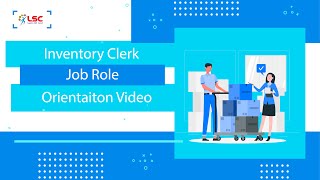
Watch & Learn
Curated videos to help you explore




Helpful Resources
Articles and guides for deeper learning
Frequently Asked Questions
Quick answers to common questions
QWhat are the typical entry-level roles in a warehouse?
Common entry-level positions include material handler, picker, packer, and general laborer. These roles often involve moving goods, preparing orders, and maintaining the cleanliness and organization of the warehouse.
QWhat kind of technology is used in warehouses?
Warehouses use a variety of technologies, including inventory management systems (IMS), barcode scanners, automated guided vehicles (AGVs), robotic arms, conveyor systems, and increasingly, AI-powered software for optimizing operations and predicting demand.
QCan a warehouse career offer long-term growth?
Yes, absolutely. With experience and further skill development, individuals can advance to roles like forklift operator, inventory specialist, team leader, shift supervisor, and even operations manager. Continuous learning and acquiring certifications can significantly boost career progression.
Explore All 1,500+ Careers
Browse our full career explorer or take an assessment to get personalised recommendations.