Mehendi Artist
Also known as: Henna Artist, Mehndi Designer
A Mehendi Artist is a skilled professional who applies intricate henna designs on the skin, primarily for celebrations like weddings, festivals, and other special occasions. They work with a natural dye, creating beautiful patterns that can range from traditional to contemporary. This role requires artistic talent, a steady hand, and a deep understanding of cultural significance and client preferences.
7
Skills to Learn
5
Career Levels
3
Top Companies
2
Education Paths
Sneak Peek
Have you ever marveled at the intricate, beautiful designs adorning hands during celebrations, and wondered who creates such temporary masterpieces? Could you see yourself as an artist who brings joy and cultural expression to people
What does a Mehendi Artist do?
A Mehendi Artist is a skilled professional who applies intricate henna designs on the skin, primarily for celebrations like weddings, festivals, and other special occasions. They work with a natural dye, creating beautiful patterns that can range from traditional to contemporary. This role requires artistic talent, a steady hand, and a deep understanding of cultural significance and client preferences.
- Salary in India
- ₹1 to ₹5 lakh a year
- Demand
- Growing
- Remote work
- Location-Bound
- Industry
- Art and Culture
Is This Career For You?
Discover if your personality matches this career
Your Personality Fit (RIASEC)
Enjoying creating art and designs is central to this role.
Directly engaging with clients to understand their needs and contribute to their celebrations.
Requires organization in managing appointments and client details, and precision in applying designs.
Opportunities to build a client base and manage a small business.
Involves understanding the properties of henna and skin reactions.
Some hands-on work, but less emphasis on physical tasks or working with tools/machines.
You'll Love This Career If...
Like what you see? Get full access.
Save this career, compare with others, and get your personalized career plan.
50,000+ students already signed up
A Day in the Life
What your typical workday looks like
A typical day for a Mehendi Artist often begins with preparing the henna paste, ensuring it
Myth vs Reality
Tap to reveal the truth behind common misconceptions
Skills You'll Need
Master these to excel in this career
Technical Skills
3Design Skills
Ability to create intricate and beautiful henna designs.
Artistic Creativity
Creative thinking to develop unique and personalized designs.
Attention to Detail
Meticulous attention to detail to ensure precise and beautiful designs.
Soft Skills
3Client Communication
Effective communication to understand client preferences and provide exceptional service.
Time Management
Ability to manage time effectively to meet client deadlines.
Business Acumen
Understanding of basic business principles to manage a freelance or business venture.
Domain Skills
1Cultural Awareness
Understanding of cultural significance and traditions associated with mehendi.
Tools of the Trade
Software and tools you'll work with daily
Hardware
Henna powder
The natural, dried, and powdered leaves of the Lawsonia inermis plant, which create the reddish-brown stain.
Applicator cones/bottles
Used to hold and precisely apply the henna paste onto the skin, similar to piping icing.
Skincare preparation (e.g., rubbing alcohol, eucalyptus oil)
Used to clean the skin before application to ensure better adhesion and stain quality.
Sealant (e.g., lemon-sugar mixture)
Applied after the henna paste dries to help keep it moist and in place, leading to a darker stain.
Design templates/books
Visual guides for artists to draw intricate patterns or for clients to choose their desired design.
Want to build these skills?
Get a personalized learning roadmap and save careers that match your profile.
50,000+ students already signed up
Your Learning Path
Step-by-step guide to getting started
Learn About Henna Basics
Start by understanding what natural henna is, where it comes from (the Lawsonia inermis plant), and its traditional uses. Learn the difference between natural henna and harmful "black henna" (which contains PPD).
Practice Application Techniques
Get your hands on natural henna paste (in cones or tubes) and practice drawing simple shapes and lines on paper or practice skin. Focus on controlling the pressure for different line thicknesses and creating smooth, consistent designs.
Master Design Styles and Client Consultation
Study various traditional and modern henna patterns (e.g., Indian, Arabic, Moroccan). Learn how to consult with clients to understand their preferences, choose appropriate designs, and manage expectations about the staining process and longevity.
Understand Safety and Aftercare
Learn about patch testing for allergies, safe sourcing of henna products, and essential aftercare instructions for clients to ensure the best and longest-lasting stain. Practice these steps diligently.
Career Progression
How your career will grow over time
Apprentice Mehendi Artist
EntryBeginner level, learning basic techniques and designs.
- Practice basic mehendi designs
- Assist senior artists
- Learn hygienic application methods
Junior Mehendi Artist
EntryIntermediate level, creating simple designs and assisting in events.
- Create basic mehendi designs
- Participate in small events
- Assist in setting up and cleaning up
Professional Mehendi Artist
Mid-LevelExperienced level, creating complex designs and working independently.
- Create intricate mehendi designs
- Work independently at events
- Manage client interactions
Senior Mehendi Artist
SeniorExpert level, creating highly detailed designs and mentoring junior artists.
- Create highly detailed mehendi designs
- Mentor junior artists
- Manage multiple projects and clients
Mehendi Artist Leader
LeadershipLeadership level, managing a team of artists and overseeing projects.
- Lead a team of mehendi artists
- Oversee large projects and events
- Develop new designs and techniques
Education Paths
Post-Secondary Certificate/Diploma
Certified Mehendi Artist
Post-Secondary Certificate/Diploma
NSQF Level 4 in Mehendi Specialist
Top Hiring Companies
Salary & Future Growth
What you can earn and where the industry is headed
Salary Progression (INR)
Future Career OutlookCurrent Market: Growing
The current demand for mehendi artists is strong, particularly during wedding seasons and festivals. Artists are often booked well in advance, indicating a healthy market.
The demand for mehendi artists is expected to remain stable to growing, driven by cultural traditions and the increasing popularity of mehendi for various celebrations beyond weddings. The rise of 'fake weddings' as an entertainment experience also presents a niche opportunity.
The long-term outlook for mehendi artists remains positive, as the art form is deeply ingrained in cultural practices. While trends in design may evolve, the fundamental demand is likely to persist. The ability to adapt to new styles and incorporate modern aesthetics will be key to sustained success.
Not sure if Mehendi Artist is right for you?
Talk to a Stride counsellor for personalised guidance on whether this career fits your interests, strengths, and goals.
Watch & Learn
Curated videos to help you explore

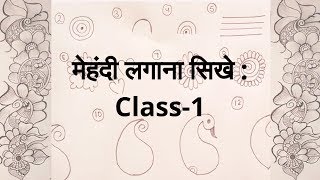


Helpful Resources
Articles and guides for deeper learning
Frequently Asked Questions
Quick answers to common questions
QWhat are the typical working hours for a mehendi artist?
Working hours can be irregular, often involving long days and late nights, especially during peak wedding and festival seasons. Appointments are usually scheduled based on client needs.
QDo I need a formal degree to become a mehendi artist?
No formal degree is required, but extensive training and practice in mehendi application and design are essential. Many artists learn through apprenticeships or specialized courses.
QWhat is the earning potential for a mehendi artist?
Earnings vary significantly based on experience, skill level, location, and the types of events served. Successful artists can earn a good income, especially when working in high-demand periods.
QAre there opportunities to specialize as a mehendi artist?
Yes, artists can specialize in bridal mehendi, traditional Indian designs, Arabic patterns, or even contemporary artistic styles. Some also focus on mehendi for parties or corporate events.
Explore All 1,500+ Careers
Browse our full career explorer or take an assessment to get personalised recommendations.