Microbiologist
Also known as: microbiology jobs
A microbiologist is a scientist who studies microorganisms like bacteria, viruses, fungi, and algae. They investigate how these tiny life forms interact with humans, animals, plants, and the environment. This research is crucial for developing new medicines and vaccines, ensuring food safety, protecting the environment, and understanding diseases. Microbiologists work in labs, analyzing samples and conducting experiments to find beneficial microbes or combat harmful ones.
10
Skills to Learn
5
Career Levels
5
Top Companies
3
Education Paths
Sneak Peek
Ever wondered how scientists fight off tiny invaders like bacteria and viruses to keep us healthy? Or how we ensure the food we eat is safe from harmful microbes?
What does a Microbiologist do?
Microbiologists study microorganisms like bacteria, viruses, fungi, and parasites to understand how they live, grow, and interact with their environment. This knowledge is used to prevent and treat diseases, develop new technologies, and solve global challenges.
- Demand
- Growing
- Remote work
- Hybrid
- Industry
- Life Sciences
Is This Career For You?
Discover if your personality matches this career
Your Personality Fit (RIASEC)
You love to solve problems and figure out how things work, which is perfect for uncovering the mysteries of microbes.
You enjoy helping others and contributing to society, and microbiology plays a huge role in improving public health and the environment.
You like working with your hands and using practical tools, which is essential for lab work and experiments.
While attention to detail and following procedures are important, the day-to-day isn't typically about routine data processing or strict adherence to established protocols.
While not the primary focus, creativity can be valuable in designing experiments or visualizing complex data.
There are opportunities to lead research or manage projects, but the core of the job is less about persuasion and more about discovery.
You'll Love This Career If...
Like what you see? Get full access.
Save this career, compare with others, and get your personalized career plan.
50,000+ students already signed up
A Day in the Life
What your typical workday looks like
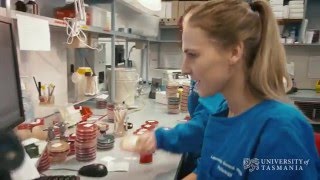
Imagine spending your day in a lab, peering into microscopes, culturing mysterious organisms, and running tests to understand how tiny life forms impact our world.
Myth vs Reality
Tap to reveal the truth behind common misconceptions
Skills You'll Need
Master these to excel in this career
Technical Skills
6Microbial Culturing
The process of growing microorganisms in controlled environments.
Microscopy
Using microscopes to study microorganisms.
Data Analysis
Analyzing experimental data to draw conclusions.
Laboratory Safety
Adhering to safety protocols in a laboratory setting.
Molecular Biology Techniques
Using techniques like PCR and gel electrophoresis.
Bioinformatics
Using computational tools to analyze biological data.
Soft Skills
3Problem-Solving
Identifying and resolving issues in experiments.
Attention to Detail
Paying close attention to small details in experiments.
Communication Skills
Effectively communicating findings and ideas.
Domain Skills
1Microbial Taxonomy
Understanding the classification of microorganisms.
Tools of the Trade
Software and tools you'll work with daily
Hardware
Microscope
Used to magnify tiny microbes so you can see and study them.
Incubator
A device that keeps microbial cultures at a specific temperature for growth.
Autoclave
Used to sterilize equipment and media using high-pressure steam, killing any microbes.
Petri Dish
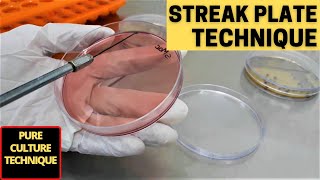
A shallow dish used to hold growth media for culturing microorganisms.
PCR Machine
Amplifies small segments of DNA, helping to identify or study microbes.
Centrifuge
Spins samples at high speed to separate components, like isolating microbes from a liquid.
Software
Laboratory Information Management System (LIMS)
Software to manage lab samples, experiments, and data.
Bioinformatics Databases (e.g., NCBI)
Online resources used to store and analyze genetic information from microbes.
Statistical Software (e.g., R, SPSS)
Tools for analyzing experimental data and drawing conclusions.
Want to build these skills?
Get a personalized learning roadmap and save careers that match your profile.
50,000+ students already signed up
Your Learning Path
Step-by-step guide to getting started
Explore the Invisible World
Start by learning the basics of biology and chemistry. Understand what cells are, how they work, and the fundamental concepts of living organisms. High school science classes are a great starting point!
Dive into Microbial Life
Take introductory biology or specific microbiology courses. Learn about different types of microbes like bacteria, viruses, and fungi, and where they live. This is where you'll start getting hands-on in a lab setting.
Specialize and Experiment
Pursue a Bachelor's degree in Microbiology or a related field (like Biology or Biochemistry). Focus on coursework covering genetics, immunology, and environmental science. Get involved in research projects or internships to gain practical experience.
Advanced Studies or Career Entry
Consider a Master's degree for specialized roles or a PhD for research-focused positions. Alternatively, you can enter the workforce in entry-level positions in quality control, diagnostics, or research support.
Career Progression
How your career will grow over time
Laboratory Technician
EntryAssists in laboratory tasks under supervision.
- Performing routine lab procedures
- Maintaining lab equipment
- Assisting in data collection
Junior Microbiologist
EntryConducts basic microbiological experiments and analyses.
- Preparing samples for testing
- Conducting standard tests
- Recording and analyzing data
Microbiologist
Mid-LevelCarries out complex microbiological research and development.
- Designing experiments
- Analyzing results
- Publishing findings
Senior Microbiologist
SeniorLeads major research projects and teams.
- Managing projects
- Mentoring junior staff
- Advising on strategic research directions
Principal Microbiologist
LeadershipOversees entire research programs and departments.
- Setting research strategy
- Securing funding
- Representing the organization in scientific community
Education Paths
Bachelor's Degree
B.Sc. Microbiology
Microbiology
Master's Degree
M.Sc. Microbiology
Microbiology
Professional Degree
PhD
Microbiology
Top Hiring Companies
Salary & Future Growth
What you can earn and where the industry is headed
Salary Progression (INR)
Future Career OutlookCurrent Market: Growing
The demand for microbiologists is strong and growing, driven by advancements in areas like personalized medicine, diagnostics, and environmental science. There's a significant need for professionals who can understand and manipulate microorganisms to address global challenges such as disease prevention and developing sustainable solutions.
The field is projected to continue its robust growth, with emerging technologies like artificial intelligence and machine learning creating new opportunities in areas such as rapid diagnostics and antimicrobial resistance prediction. Microbiologists will play a key role in tackling complex health and environmental issues.
Microbiology is a foundational science with enduring importance. As our understanding of microbial ecosystems and their impact on health and the environment deepens, the role of microbiologists will remain critical. Adaptability and continuous learning will be key to navigating future advancements.
Not sure if Microbiologist is right for you?
Talk to a Stride counsellor for personalised guidance on whether this career fits your interests, strengths, and goals.
Watch & Learn
Curated videos to help you explore



Helpful Resources
Articles and guides for deeper learning
Frequently Asked Questions
Quick answers to common questions
QWhat are the different types of microbiologists?
There are many specializations within microbiology, including clinical microbiologists who diagnose infections, environmental microbiologists who study microbes in ecosystems, and industrial microbiologists who use microbes in processes like food production and biotechnology.
QWhat education is required to become a microbiologist?
Typically, a bachelor's degree in microbiology or a related science field is the minimum requirement. Advanced degrees (Master's or Ph.D.) are often necessary for research, academic, or leadership positions.
Explore All 1,500+ Careers
Browse our full career explorer or take an assessment to get personalised recommendations.