Occupational Therapist
Also known as: OT, Occupational Therapist, Ergotherapist
Occupational therapists help people of all ages overcome physical, emotional, or developmental challenges so they can live more independent and fulfilling lives. They work with individuals to improve their ability to perform everyday tasks, whether it's dressing and self-care, going to school or work, or participating in hobbies and leisure activities. OTs use specialized techniques, adaptive equipment, and exercises to help people regain lost skills, develop new ones, and adapt their environment to better support their needs.
10
Skills to Learn
4
Career Levels
5
Top Companies
2
Education Paths
Sneak Peek
Ever wonder how people regain their independence after an injury or illness, or how kids with special needs learn to navigate the world around them? Occupational therapists are the creative problem-solvers who make this happen every day!
What does an Occupational Therapist do?
Occupational therapists help people of all ages overcome physical, emotional, or developmental challenges so they can live more independent and fulfilling lives. They work with individuals to improve their ability to perform everyday tasks, whether it's dressing and self-care, going to school or work, or participating in hobbies and leisure activities.
- Demand
- Growing
- Remote work
- Hybrid
- Industry
- Healthcare
Is This Career For You?
Discover if your personality matches this career
Your Personality Fit (RIASEC)
Driven by a strong desire to help others and improve their quality of life.
Like to analyze client needs and develop creative solutions.
Can find creative ways to help clients overcome challenges and engage in meaningful activities.
Involves detailed documentation and following established treatment plans.
Enjoy hands-on tasks and working with equipment to help people adapt.
May be involved in managing a caseload or private practice.
You'll Love This Career If...
Like what you see? Get full access.
Save this career, compare with others, and get your personalized career plan.
50,000+ students already signed up
A Day in the Life
What your typical workday looks like
A typical day for an occupational therapist can be incredibly varied! You might start by meeting with a child who has difficulty with handwriting, using special games and tools to improve their fine motor skills. Later, you could be working with an adult recovering from a stroke, helping them relearn how to cook or dress independently. You might also collaborate with a team of healthcare professionals, adapt a home environment for someone with a disability, or educate families on how to best support their loved one. Every day brings new challenges and opportunities to make a real difference.
Myth vs Reality
Tap to reveal the truth behind common misconceptions
Skills You'll Need
Master these to excel in this career
Technical Skills
5Clinical Reasoning
Applying scientific knowledge to patient care.
Adaptive Equipment Knowledge
Understanding and recommending assistive devices.
Documentation Skills
Accurately documenting patient progress and treatment plans.
Cognitive Assessment Tools
Using standardized tools to assess cognitive abilities.
Environmental Modification
Recommending changes to the patient's environment for better functionality.
Soft Skills
5Patient Communication
Effectively communicating with patients and their families.
Team Collaboration
Working effectively with other healthcare professionals.
Lifelong Learning
Continuously updating knowledge and skills in the field.
Empathy
Understanding and sharing the feelings of patients.
Problem-Solving
Developing creative solutions to patient challenges.
Tools of the Trade
Software and tools you'll work with daily
Hardware
Adaptive equipment
Tools and devices that help individuals perform daily tasks more easily or safely, like special utensils or dressing aids.
Therapeutic exercise tools
Equipment used to help patients improve strength, flexibility, and coordination.
Software
Electronic health records (EHR) software
Digital systems used to document patient assessments, treatment plans, and progress notes.
Client records and documentation systems
Platforms used for organizing and managing patient information and legal documentation.
Want to build these skills?
Get a personalized learning roadmap and save careers that match your profile.
50,000+ students already signed up
Your Learning Path
Step-by-step guide to getting started
Foundation in Science
Start by focusing on science courses in high school like biology and anatomy. These subjects will give you a fundamental understanding of the human body, which is crucial for understanding how different conditions affect a person's ability to perform daily activities.
Bachelor's Degree & Prerequisites
Earn a bachelor's degree, often in a health-related field. During your undergraduate studies, complete prerequisite courses required for occupational therapy programs and gain experience through volunteer or observation hours in different healthcare settings.
Master's or Doctoral Program
Apply to and complete an accredited Master of Occupational Therapy (MOT) or Doctor of Occupational Therapy (OTD) program. These programs include classroom learning and hands-on fieldwork.
Licensure and Certification
Pass the national certification exam (NBCOT) and obtain a license to practice in your state. Keep your skills sharp through continuing education throughout your career.
Career Progression
How your career will grow over time
Entry-Level Occupational Therapist
EntryBeginning professionals with foundational knowledge and skills in occupational therapy.
- Assess patients' abilities and needs.
- Develop and implement treatment plans.
- Educate patients and families on adaptive strategies.
- Collaborate with other healthcare professionals.
Mid-Level Occupational Therapist
Mid-LevelExperienced professionals with a deeper understanding of specialized areas within occupational therapy.
- Manage a diverse caseload of patients.
- Lead group therapy sessions.
- Conduct research or contribute to professional development activities.
- Mentor junior therapists.
Senior Occupational Therapist
SeniorHighly experienced professionals with advanced skills and knowledge in occupational therapy.
- Supervise and manage junior therapists.
- Develop and implement advanced treatment protocols.
- Participate in policy development and quality improvement initiatives.
- Provide expert consultations and presentations.
Occupational Therapy Manager
LeadershipLeaders who oversee occupational therapy services and contribute to strategic planning.
- Manage departmental operations and budgets.
- Develop and implement strategic plans for occupational therapy services.
- Ensure compliance with regulatory standards and quality assurance.
- Foster professional growth and development within the team.
Education Paths
Master's Degree
Master of Occupational Therapy (MOT)
Occupational Therapy
Doctoral Degree
Doctor of Occupational Therapy (OTD)
Occupational Therapy
Top Hiring Companies
Salary & Future Growth
What you can earn and where the industry is headed
Salary Progression (INR)
Future Career OutlookCurrent Market: Growing
The job outlook for occupational therapists is very positive, with high employment growth rates and above-average salary expectations. The field is projected to grow significantly in the coming years, driven by increasing patient needs and the recognition of OT's value across various populations.
Occupational therapy is expected to remain a high-growth field, with demand driven by an aging population, increased recognition of OT's benefits for chronic conditions and developmental disabilities, and new applications like treating post-COVID fatigue. Job openings are projected to be around 9,800 annually.
The long-term outlook for occupational therapy remains strong, as the need for rehabilitation and support for individuals with physical, cognitive, and developmental challenges is expected to persist and grow. Factors like the aging population and advancements in healthcare will continue to drive demand.
Not sure if Occupational Therapist is right for you?
Talk to a Stride counsellor for personalised guidance on whether this career fits your interests, strengths, and goals.
Watch & Learn
Curated videos to help you explore
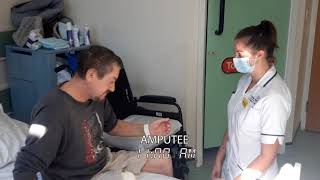





Helpful Resources
Articles and guides for deeper learning
Frequently Asked Questions
Quick answers to common questions
QIs the OT field oversaturated?
No, the overall trend of employment growth suggests that the field is not oversaturated. While some metropolitan hubs may have a higher concentration of OTs, there are still plenty of opportunities, particularly in rural and less populated areas.
QWhy is there an OT shortage?
Like with many occupations, the OT shortage is primarily because of working OTs exiting the field. This is often because they are transitioning to a new career or retiring.
QIs occupational therapy a stable job?
Overall, yes! Above-average employment growth and the variety of patients who require OT cement it as a stable career path.
Explore All 1,500+ Careers
Browse our full career explorer or take an assessment to get personalised recommendations.