Physical Therapist
Also known as: PT, Physiotherapist
Physical Therapists (PTs) are healthcare professionals who help patients recover from injuries, manage pain, and improve their mobility. They use a variety of techniques, including targeted exercises, hands-on therapy, and patient education, to restore function and enhance the quality of life. PTs work in diverse settings, from hospitals and clinics to sports facilities and even patients' homes, making their roles dynamic and impactful.
8
Skills to Learn
4
Career Levels
8
Top Companies
2
Education Paths
Sneak Peek
Have you ever wondered how athletes bounce back from injuries so quickly, or how stroke patients regain their ability to walk and talk? Physical therapists are the superheroes behind these incredible recoveries, using their knowledge of the human body to help people move, feel, and live better.
What does a Physical Therapist do?
Physical Therapists (PTs) are healthcare professionals who help patients recover from injuries, manage pain, and improve their mobility. They use a variety of techniques, including targeted exercises, hands-on therapy, and patient education, to restore function and enhance the quality of life. PTs work in diverse settings, from hospitals and clinics to sports facilities and even patients' homes, making their roles dynamic and impactful.
- Salary in India
- ₹4 to ₹10 lakh a year
- Demand
- Growing
- Remote work
- Hybrid
- Industry
- Healthcare
Is This Career For You?
Discover if your personality matches this career
Your Personality Fit (RIASEC)
You are motivated by helping and interacting with people, making a direct positive impact on their lives.
You enjoy hands-on work and using tools to help people move and feel better.
You like understanding how the body works and figuring out the best way to treat injuries.
You can be motivated by leading patient recovery and potentially managing a clinic or practice.
You can appreciate the structured documentation and record-keeping involved in patient care.
While not the primary focus, creativity can be used in developing unique patient exercises.
You'll Love This Career If...
Like what you see? Get full access.
Save this career, compare with others, and get your personalized career plan.
50,000+ students already signed up
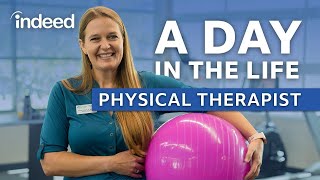
A Day in the Life
What your typical workday looks like
Imagine starting your day by helping a young athlete with a sprained ankle regain their mobility through targeted exercises and hands-on techniques. Later, you might work with an elderly patient to improve their balance and prevent falls, or assist someone recovering from surgery to move more comfortably. Your day is dynamic, involving direct patient care, assessing progress, and adapting treatment plans to ensure the best possible outcomes.
Myth vs Reality
Tap to reveal the truth behind common misconceptions
Skills You'll Need
Master these to excel in this career
Technical Skills
4Clinical Decision-Making
Ability to assess and develop treatment plans for patients.
Manual Therapy Techniques
Skill in using hands-on techniques to treat patients.
Research Skills
Ability to conduct and apply research in physiotherapy practices.
Use of Physiotherapy Equipment
Proficiency in using various physiotherapy tools and machines.
Soft Skills
3Patient Communication
Effectively communicating with patients to understand their needs and progress.
Teamwork
Working collaboratively with other healthcare professionals.
Ethics and Professionalism
Adhering to ethical standards and maintaining professional conduct.
Domain Skills
1Knowledge of Anatomy and Physiology
Understanding of human body systems and their functions.
Tools of the Trade
Software and tools you'll work with daily
Hardware
Therapeutic Exercise Equipment
Includes items like resistance bands, weights, stability balls, and balance boards used to strengthen muscles and improve range of motion.
Ultrasound Machine
Uses sound waves to help reduce inflammation and promote tissue healing.
Electrical Stimulation Devices
Applies electrical currents to muscles to help with pain relief and muscle re-education.
Software
Electronic Health Records (EHR) Software
Used to document patient progress, treatment plans, and billing information.
Platform
Patient Education Materials
Brochures, videos, and diagrams that help patients understand their condition and treatment.
Want to build these skills?
Get a personalized learning roadmap and save careers that match your profile.
50,000+ students already signed up
Your Learning Path
Step-by-step guide to getting started
High School Foundation
Focus on science classes like biology, chemistry, and physics. Maintain good grades and consider volunteering at a healthcare facility to get a feel for patient care.
Bachelor's Degree
Earn a four-year bachelor's degree in a related field such as Kinesiology, Exercise Science, or Biology. Complete prerequisite courses required for DPT programs.
Doctor of Physical Therapy (DPT)
Complete an accredited DPT program, which typically takes three years. This includes coursework and extensive clinical rotations.
Licensure and Specialization
Pass the National Physical Therapy Examination (NPTE) to get licensed in your state. Consider optional residency programs for specialized areas like orthopedics or pediatrics.
Career Progression
How your career will grow over time
Physical Therapist Assistant
EntryEntry-level physical therapists work under the supervision of more experienced professionals to assess patients, implement treatment plans, and document progress.
- Evaluate patients' conditions
- Implement initial treatment plans
- Document patient progress
- Assist senior therapists
Physical Therapist
Mid-LevelMid-level physical therapists take on more independent responsibilities, refine their treatment techniques, and may begin to specialize in certain areas.
- Develop and adjust treatment plans
- Educate patients and families
- Collaborate with healthcare teams
- Supervise assistants and aides
Senior Physical Therapist
SeniorSenior physical therapists often lead teams, conduct research, and contribute to policy development in the field.
- Lead physical therapy teams
- Conduct research and publish findings
- Develop policy and standards
- Mentor junior therapists
Chief Physical Therapist
LeadershipLeadership-level physical therapists hold executive positions, influence strategic decisions, and shape the future of physical therapy practice.
- Set strategic direction for physical therapy services
- Influence policy and advocacy efforts
- Lead large-scale research initiatives
- Represent the profession in national and international forums
Education Paths
Doctoral Degree
Doctor of Physical Therapy (DPT)
Physical Therapy
Bachelor's Degree
Bachelor's Degree
Biology, Kinesiology, or Exercise Science
Top Hiring Companies
Salary & Future Growth
What you can earn and where the industry is headed
Salary Progression (INR)
Future Career OutlookCurrent Market: Growing
The demand for physical therapists is strong and growing, driven by an aging population, increased awareness of rehabilitation's benefits, and advancements in treatment methods. Chronic conditions and a focus on wellness also contribute to this trend. Technology like telehealth and AI are enhancing care delivery and personalization.
The field is expected to continue growing due to ongoing demographic shifts, such as the aging population, and the increasing prevalence of chronic conditions. Advancements in technology and a greater understanding of physical therapy's role in preventative care and recovery will sustain demand.
Physical therapy is projected to remain a high-demand field for the foreseeable future. The fundamental drivers of aging populations and the need for rehabilitation and chronic condition management are long-term trends. Continuous innovation in treatment and technology will likely further solidify its importance in healthcare.
Not sure if Physical Therapist is right for you?
Talk to a Stride counsellor for personalised guidance on whether this career fits your interests, strengths, and goals.
Watch & Learn
Curated videos to help you explore





Helpful Resources
Articles and guides for deeper learning
Frequently Asked Questions
Quick answers to common questions
QWhat is the educational requirement to become a physical therapist?
To become a physical therapist in the United States, you need to earn a Doctor of Physical Therapy (DPT) degree from an accredited program. This typically involves three years of study after completing a bachelor's degree.
QWhat are the main factors driving the demand for physical therapists?
The demand is primarily driven by an aging population that often requires rehabilitation, the increasing number of people with chronic health conditions, and a growing public awareness of the benefits of physical therapy for pain management and recovery.
QCan physical therapists work remotely?
While many aspects of physical therapy require hands-on patient care, telehealth and digital platforms are increasingly used for consultations, monitoring progress, and providing exercise guidance, making some roles hybrid or remote-friendly.
QWhat is the typical salary range for a physical therapist?
The average salary for a physical therapist in 2025 is around $99,710 per year, with potential to exceed $100,000. Top earners can make over $130,870 annually, influenced by location, specialization, and experience.
Explore All 1,500+ Careers
Browse our full career explorer or take an assessment to get personalised recommendations.