Process Engineer
Also known as: Process Eng, Optimization Engineer
Process Engineers are the architects of efficiency in various industries, from making chemicals and pharmaceuticals to food and even renewable fuels. They use their knowledge of engineering, chemistry, and physics to design, optimize, and manage the systems that transform raw materials into finished products. Their main goal is to make these processes work as well as possible – meaning they need to be safe, high-quality, cost-effective, and environmentally friendly. They figure out what's not working well, come up with solutions, and then implement and test them to make sure everything runs like a dream.
11
Skills to Learn
4
Career Levels
7
Top Companies
2
Education Paths
Sneak Peek
Ever wondered how your favorite soda gets made or how medicines are produced safely and efficiently on a massive scale? Process Engineers are the masterminds behind these complex operations, ensuring everything runs smoothly, safely, and cost-effectively. If you love solving puzzles and improving how things are made, this could be the career for you!
What does a Process Engineer do?
Process Engineers are the architects of efficiency in various industries, from making chemicals and pharmaceuticals to food and even renewable fuels. They use their knowledge of engineering, chemistry, and physics to design, optimize, and manage the systems that transform raw materials into finished products.
- Demand
- Stable
- Remote work
- Location-Bound
- Industry
- Chemical Manufacturing
Is This Career For You?
Discover if your personality matches this career
Your Personality Fit (RIASEC)
You enjoy working with your hands, tools, and machinery to solve practical problems.
You are curious, enjoy research, and like to solve complex problems.
You are organized, detail-oriented, and enjoy following procedures.
You are persuasive, enjoy leading others, and making decisions.
You enjoy helping others and working in team environments.
You prefer creative expression and unstructured environments.
You'll Love This Career If...
Like what you see? Get full access.
Save this career, compare with others, and get your personalized career plan.
50,000+ students already signed up
A Day in the Life
What your typical workday looks like
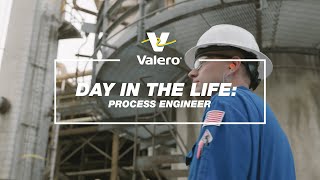
Imagine starting your day by reviewing data from a manufacturing plant – maybe checking the temperature and pressure in a chemical reactor or the flow rate in a bottling line. You might then head to the plant floor to troubleshoot a small issue, talking with the operators to understand what's happening. Later, you could be in a meeting with your team, using computer simulations to design a better way to mix ingredients or reduce waste. The afternoon might involve writing a report on your findings or planning the next steps for a new process improvement project, ensuring all safety and quality standards are met.
Myth vs Reality
Tap to reveal the truth behind common misconceptions
Skills You'll Need
Master these to excel in this career
Technical Skills
3Process Simulation Software
Using software like Aspen HYSYS to model and optimize processes.
Statistical Process Control
Utilizing tools like Minitab for data analysis.
CAD Software
Using tools like AutoCAD for process layout design.
Soft Skills
7Problem-solving and Analytical Thinking
Diagnosing complex issues and developing solutions.
Attention to Detail
Ensuring precision in process design.
Communication and Documentation
Articulating technical information clearly and documenting processes.
Collaboration and Teamwork
Working effectively with cross-functional teams.
Adaptability and Resilience
Adapting to changing requirements and unexpected challenges.
Project Management
Planning, executing, and monitoring projects.
Continuous Learning
Commitment to ongoing learning and skill development.
Domain Skills
1Safety and Regulatory Compliance
Understanding and adhering to industry-specific regulations.
Tools of the Trade
Software and tools you'll work with daily
Software
SCADA systems
Used for monitoring, controlling, and automating industrial processes.
PLC Programming Software
Used to write and modify programs for programmable logic controllers that manage automated systems.
CAD Software
Used to design, visualize, and optimize process equipment and systems.
Data Analysis Tools (e.g., SQL Server, Excel)
Used to interpret data, identify trends, and make informed decisions about processes.
Process Simulation Software
Used to create digital models of processes to test and predict outcomes.
Framework
Lean Six Sigma Methodologies
Problem-solving approaches to eliminate waste, reduce errors, and increase efficiency.
Hardware
Servers and Network Infrastructure
The physical components that support the automated systems and data collection.
Want to build these skills?
Get a personalized learning roadmap and save careers that match your profile.
50,000+ students already signed up
Your Learning Path
Step-by-step guide to getting started
Understand the Basics of Engineering
Start with fundamental math and science concepts like algebra, calculus, physics, and chemistry. These are the building blocks for all engineering disciplines.
Explore Core Process Engineering Principles
Learn about thermodynamics, fluid mechanics, and material science. Understand how different materials behave and how energy and matter flow in systems.
Get Familiar with Process Control and Automation
Study topics like process control systems, instrumentation, and automation technologies such as PLCs and SCADA. Learn how to monitor and manage industrial processes.
Develop Data Analysis and Problem-Solving Skills
Practice interpreting data, using statistical methods, and applying methodologies like Lean Six Sigma. Learn to troubleshoot issues and optimize existing processes.
Career Progression
How your career will grow over time
Junior Process Engineer
EntryResponsible for assisting senior engineers in process design and optimization.
- Assist in process design and optimization
- Conduct data analysis for process improvement
- Support the implementation of new processes
Process Engineer
Mid-LevelResponsible for designing, developing, and optimizing manufacturing processes.
- Design and develop manufacturing processes
- Analyze data to identify inefficiencies
- Implement process improvements and monitor results
Senior Process Engineer
SeniorResponsible for leading process improvement projects and mentoring junior engineers.
- Lead process improvement projects
- Mentor junior engineers
- Ensure compliance with safety and regulatory standards
Process Engineering Manager
LeadershipResponsible for overseeing all process engineering activities and managing a team of engineers.
- Oversee process engineering activities
- Manage a team of engineers
- Develop and implement process engineering strategies
Education Paths
Bachelor's Degree
Chemical Engineering
Master's Degree
Process Systems Engineering
Top Hiring Companies
Salary & Future Growth
What you can earn and where the industry is headed
Salary Progression (USD)
Future Career OutlookCurrent Market: Stable
Process engineers are crucial in translating designs into practical, real-world solutions, essential for developing, implementing, and refining processes that efficiently transform raw materials into valuable products while upholding the highest quality and safety standards. They must adapt and innovate as industries evolve with technological advancements and increasing regulatory demands, ensuring manufacturing processes are cost-effective and sustainable.
As industries evolve with technological advancements and regulatory demands increase, process engineers must adapt and innovate, ensuring that manufacturing processes are cost-effective and sustainable. The integration of automation and digital tools will continue to shape the field, requiring continuous learning and adaptation.
The role of process engineers will remain vital as they are key to optimizing complex systems, driving efficiency, and ensuring sustainable practices in manufacturing and production. Their ability to integrate new technologies and adapt to evolving industry standards will be critical for long-term career stability.
Not sure if Process Engineer is right for you?
Talk to a Stride counsellor for personalised guidance on whether this career fits your interests, strengths, and goals.
Watch & Learn
Curated videos to help you explore




Helpful Resources
Articles and guides for deeper learning
Frequently Asked Questions
Quick answers to common questions
QWhat are the core responsibilities of a process engineer?
Process engineers design, implement, and optimize industrial processes to improve efficiency, quality, and safety. They analyze workflows, troubleshoot issues, and develop solutions to enhance production systems.
QWhat skills are essential for a process engineer?
Key skills include analytical thinking, problem-solving, process improvement, technical knowledge, communication, and attention to detail. Familiarity with process optimization techniques and regulatory standards is also important.
QWhat industries hire process engineers?
Process engineers are employed across a wide range of industries, including chemical, food processing, pharmaceuticals, manufacturing, energy, and more.
Explore All 1,500+ Careers
Browse our full career explorer or take an assessment to get personalised recommendations.