Physician Neonatology
Also known as: Neonatologist, Newborn Specialist Physician
A physician neonatologist is a medical doctor who specializes in providing critical care to newborn infants. They focus on the health of babies during the first month of life, especially those who are born prematurely, have low birth weight, or suffer from serious health conditions such as birth defects, infections, or breathing difficulties. Neonatologists work in Neonatal Intensive Care Units (NICUs) and collaborate with a team of healthcare professionals to stabilize and treat fragile newborns, aiming to ensure their survival and healthy development.
10
Skills to Learn
4
Career Levels
5
Top Companies
6
Education Paths
Sneak Peek
Have you ever wondered who takes care of the tiniest and most vulnerable patients, the newborns who need a little extra help to get started in life? As a physician specializing in neonatology, you'll be at the forefront of saving and improving the lives of these precious little ones.
What does a Physician Neonatology do?
A physician neonatologist is a medical doctor who specializes in providing critical care to newborn infants. They focus on the health of babies during the first month of life, especially those who are born prematurely, have low birth weight, or suffer from serious health conditions such as birth defects, infections, or breathing difficulties.
- Salary in India
- ₹8 to ₹25.5 lakh a year
- Demand
- Stable
- Remote work
- Location-Bound
- Industry
- Healthcare
Is This Career For You?
Discover if your personality matches this career
Your Personality Fit (RIASEC)
You enjoy solving complex problems and delving into scientific research to understand how things work.
You are motivated by helping others and have a strong desire to care for vulnerable individuals.
You are hands-on and enjoy working with practical, tangible things, like medical equipment and procedures.
Some level of organization and attention to detail is needed, but the focus is more on critical thinking and patient interaction.
While not the primary focus, creativity can be helpful in finding unique solutions to patient care challenges.
This role is less about leading and persuading and more about direct patient care and scientific inquiry.
You'll Love This Career If...
Like what you see? Get full access.
Save this career, compare with others, and get your personalized career plan.
50,000+ students already signed up
A Day in the Life
What your typical workday looks like
Your day starts early in the Neonatal Intensive Care Unit (NICU), reviewing the conditions of the tiny patients you're caring for. This involves examining vital signs, interpreting test results, and conferring with nurses and other specialists about treatment plans. You might perform delicate procedures like intubation to help a premature baby breathe or insert a tiny IV line to deliver essential medication. Much of your day is spent at the bedside, closely monitoring the progress of your patients, adjusting care as needed, and communicating with anxious parents, offering them support and clear explanations about their child's health. The day is dynamic, with unexpected emergencies requiring quick thinking and decisive action, but also filled with the immense reward of seeing a fragile infant begin to thrive.
Myth vs Reality
Tap to reveal the truth behind common misconceptions
Skills You'll Need
Master these to excel in this career
Technical Skills
3Critical Care Knowledge
Understanding of critical care procedures and techniques for newborns.
Neonatal Resuscitation
Proficiency in performing neonatal resuscitation procedures.
Technical Proficiency
Familiarity with medical equipment and technology used in neonatal care.
Soft Skills
4Communication Skills
Ability to convey complex medical information to parents and colleagues.
Team Collaboration
Ability to work effectively within a multidisciplinary team.
Problem-Solving
Ability to quickly and effectively solve complex medical problems.
Time Management
Ability to manage time effectively in a high-pressure environment.
Domain Skills
3Research Skills
Skill in conducting and interpreting neonatal research.
Genetic Counseling
Skill in providing genetic counseling to families.
Ethical Decision-Making
Skill in making ethical decisions in critical neonatal care situations.
Tools of the Trade
Software and tools you'll work with daily
Hardware
Incubators
Specialized beds that regulate temperature, humidity, and oxygen levels to keep vulnerable newborns stable.
Ventilators
Machines that assist or control breathing for infants who cannot breathe adequately on their own.
Infant Warmers
Open beds with overhead heating units to provide warmth to newborns who need to be closely monitored and easily accessed.
Umbilical Catheters
Thin tubes inserted into the umbilical cord vessels to administer fluids, medications, and draw blood samples.
Pulse Oximeters
Devices that measure the oxygen saturation level in a baby's blood.
Diagnostic Imaging Equipment (X-ray, Ultrasound)
Used to visualize internal organs and diagnose various conditions in newborns.
Software
Neonatal Intensive Care Unit (NICU) Information Systems
Electronic health record systems designed to manage patient data, track vital signs, and coordinate care within the NICU.
Want to build these skills?
Get a personalized learning roadmap and save careers that match your profile.
50,000+ students already signed up
Your Learning Path
Step-by-step guide to getting started
Build a Strong Science Foundation
Focus on biology, chemistry, and physics in high school. These subjects will be the bedrock for understanding complex medical concepts later on.
Complete a Bachelor's Degree
Pursue a pre-medical major (like biology or health sciences) and excel in your coursework. Volunteer or shadow healthcare professionals, especially in pediatric or neonatal settings, to gain exposure.
Attend Medical School
Complete four years of medical school, focusing on pediatrics during your clinical rotations. This is where you'll learn the core principles of diagnosing and treating a wide range of illnesses.
Complete Pediatric Residency and Neonatology Fellowship
After medical school, you'll complete a 3-year pediatric residency, followed by a demanding 3-year fellowship specifically in neonatology. This specialized training will equip you with the advanced skills needed to care for critically ill newborns.
Career Progression
How your career will grow over time
Resident Physician
EntryA physician in training, completing residency in Pediatrics.
- Assisting in patient care under supervision
- Learning and applying medical knowledge
Fellow in Neonatal-Perinatal Medicine
Mid-LevelA physician completing a fellowship in Neonatal-Perinatal Medicine.
- Specializing in neonatal care
- Conducting research
- Publishing findings
Neonatologist
SeniorA specialized physician providing comprehensive care to newborns.
- Diagnosing and treating neonatal conditions
- Supervising medical procedures
- Collaborating with multidisciplinary teams
Senior Neonatologist/Medical Director
LeadershipA senior neonatologist leading a NICU or department.
- Managing NICU operations
- Overseeing resident and fellow training
- Leading research initiatives
Education Paths
Lower Secondary
Upper Secondary
Bachelor's Degree
B.Sc./B.A.
Pre-Med
Doctoral Degree
M.D./D.O.
Medicine
Post-Secondary Certificate/Diploma
Residency
Pediatrics
Post-Secondary Certificate/Diploma
Fellowship
Neonatal-Perinatal Medicine
Top Hiring Companies
Salary & Future Growth
What you can earn and where the industry is headed
Salary Progression (INR)
Future Career OutlookCurrent Market: Stable
Neonatologists are highly specialized physicians who care for premature and critically ill newborns. The demand for their expertise is stable, as these highly specialized skills are always needed in hospitals.
The demand for physicians, including neonatologists, is projected to grow as fast as the average for all occupations. This is driven by factors such as an aging population and increased access to healthcare.
Continued advancements in medical technology and an increasing understanding of neonatal care suggest a sustained need for neonatologists. The focus on improving outcomes for vulnerable infants will likely maintain demand.
Not sure if Physician Neonatology is right for you?
Talk to a Stride counsellor for personalised guidance on whether this career fits your interests, strengths, and goals.
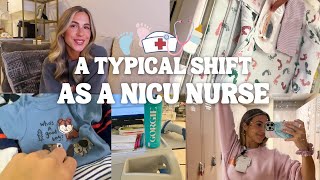
Watch & Learn
Curated videos to help you explore


Helpful Resources
Articles and guides for deeper learning
Frequently Asked Questions
Quick answers to common questions
QWhat is the typical work schedule for a neonatologist?
Neonatologists often work long shifts, including nights, weekends, and holidays, as NICUs operate 24/7. The schedule can be demanding due to the critical nature of patient care.
QWhat are the biggest challenges faced by neonatologists?
Challenges include the emotionally demanding nature of the work, the high-pressure environment of the NICU, and the need for constant learning due to rapid advancements in medical technology.
QWhat is the difference between a pediatrician and a neonatologist?
A pediatrician cares for children from birth through adolescence, while a neonatologist is a subspecialist focusing specifically on the medical care of newborn infants, particularly those who are premature or critically ill.
Explore All 1,500+ Careers
Browse our full career explorer or take an assessment to get personalised recommendations.