Ultrasound Technologist
Also known as: Diagnostic Medical Sonographer, Sonographer
As an Ultrasound Technologist, also known as a Diagnostic Medical Sonographer, you'll use specialized equipment that uses sound waves to create images of organs, tissues, and blood flow within the body. These images are crucial for doctors to diagnose a wide range of medical conditions, from pregnancy to heart disease, helping them make informed treatment decisions. It's a hands-on role where you'll work directly with patients, explaining procedures and ensuring their comfort while capturing vital diagnostic information.
8
Skills to Learn
4
Career Levels
5
Top Companies
2
Education Paths
Sneak Peek
Have you ever wondered how doctors can see inside a body without making any incisions? Imagine using sound waves to create pictures that help save lives – that's the exciting reality for an Ultrasound Technologist!
What does an Ultrasound Technologist do?
As an Ultrasound Technologist, also known as a Diagnostic Medical Sonographer, you'll use specialized equipment that uses sound waves to create images of organs, tissues, and blood flow within the body. These images are crucial for doctors to diagnose a wide range of medical conditions, from pregnancy to heart disease, helping them make informed treatment decisions.
- Salary in India
- ₹3.5 to ₹9 lakh a year
- Demand
- Growing
- Remote work
- Location-Bound
- Industry
- Healthcare
Is This Career For You?
Discover if your personality matches this career
Your Personality Fit (RIASEC)
You enjoy using scientific knowledge and technology to explore and understand the human body.
You find fulfillment in helping patients and collaborating with healthcare teams.
You are comfortable working with medical equipment and performing hands-on tasks.
You appreciate the visual aspect of creating detailed images.
You can be detail-oriented in documenting patient information and maintaining equipment.
While not the primary focus, you may enjoy explaining procedures to patients.
You'll Love This Career If...
Like what you see? Get full access.
Save this career, compare with others, and get your personalized career plan.
50,000+ students already signed up
A Day in the Life
What your typical workday looks like
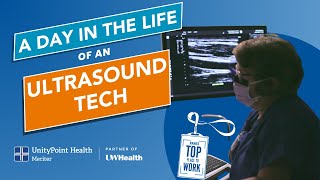
Your day could involve a variety of patients and procedures. You might start by preparing a pregnant patient for an ultrasound, explaining the process of viewing the developing baby. Later, you could be performing an echocardiogram to assess an adult's heart function, carefully maneuvering the ultrasound probe to capture detailed images. You'll also spend time documenting your findings, collaborating with physicians, and ensuring your equipment is ready for the next patient, all while providing a reassuring presence.
Myth vs Reality
Tap to reveal the truth behind common misconceptions
Skills You'll Need
Master these to excel in this career
Technical Skills
3Ultrasound Equipment Operation
Ability to operate ultrasound machines and perform diagnostic scans.
Image Analysis
Skill in analyzing and interpreting ultrasound images to assist in diagnosis.
Technical Troubleshooting
Ability to troubleshoot and resolve technical issues with ultrasound equipment.
Soft Skills
3Patient Care
Skill in providing care and comfort to patients during procedures.
Communication Skills
Ability to communicate effectively with patients, doctors, and other healthcare professionals.
Continuous Learning
Commitment to ongoing education and staying updated with advancements in ultrasound technology.
Domain Skills
2Anatomy and Physiology Knowledge
Understanding of human anatomy and physiology to accurately interpret ultrasound images.
Radiation Safety
Knowledge of radiation safety protocols to ensure patient and staff safety.
Tools of the Trade
Software and tools you'll work with daily
Hardware
Ultrasound Machine
The main device that emits sound waves and captures echoes to create images.
Transducer (Probe)
The part of the ultrasound machine that is placed on the patient's body to send and receive sound waves.
Software
Medical Imaging Software
Programs used to process, display, and store the ultrasound images.
Electronic Health Record (EHR) System
Used to access patient information, document procedures, and record findings.
Platform
Picture Archiving and Communication System (PACS)
A system for storing and retrieving medical images and associated data.
Want to build these skills?
Get a personalized learning roadmap and save careers that match your profile.
50,000+ students already signed up
Your Learning Path
Step-by-step guide to getting started
High School Foundation
Focus on science classes like biology and physics, and aim for a strong GPA. Develop good communication skills through English and speech classes.
Accredited Sonography Program
Complete a certificate, associate, or bachelor's degree program in diagnostic medical sonography from a CAAHEP-accredited institution. This will cover anatomy, physiology, ultrasound physics, and patient care.
Gain Clinical Experience
Participate in supervised clinical rotations during your program to practice operating ultrasound equipment and interacting with patients in real healthcare settings.
Achieve Certification
After graduating, pass a certification exam, such as the ARDMS or ARRT, to validate your skills and knowledge, making you more marketable to employers.
Career Progression
How your career will grow over time
Entry-Level Ultrasound Technologist
EntryNew graduates who have recently completed their education and certification.
- Assisting senior technologists with patient preparation and equipment maintenance.
- Learning to operate ultrasound machines under supervision.
- Documenting patient information and test results.
Mid-Level Ultrasound Technologist
Mid-LevelExperienced technologists who have developed proficiency in their role.
- Performing independent ultrasound examinations.
- Interpreting ultrasound images and communicating findings to physicians.
- Training new technologists and assisting in department operations.
Senior Ultrasound Technologist
SeniorTechnologists with extensive experience and advanced skills.
- Leading complex ultrasound procedures.
- Mentoring junior staff and contributing to department policies.
- Engaging in research and development of new ultrasound techniques.
Ultrasound Department Manager
LeadershipManagers who oversee the ultrasound department and its staff.
- Managing department budget and resources.
- Ensuring quality control and compliance with regulations.
- Developing strategic plans for department growth and innovation.
Education Paths
Post-Secondary Certificate/Diploma
Associate Degree
Top Hiring Companies
Salary & Future Growth
What you can earn and where the industry is headed
Salary Progression (INR)
Future Career OutlookCurrent Market: Growing
The demand for Ultrasound Technologists is robust, with positions available in various healthcare settings like hospitals, physicians' offices, and outpatient care centers. The role requires specialized skills in operating ultrasound equipment and interpreting images, making it a crucial part of diagnostic medicine.
Job growth for Ultrasound Technologists is projected to be faster than average, driven by an aging population needing more diagnostic imaging and advancements in medical technology. The increasing use of ultrasound for various diagnostic purposes ensures a steady demand for skilled professionals.
The long-term outlook for Ultrasound Technologists remains very positive. As medical technology continues to evolve, ultrasound remains a safe, non-invasive, and effective imaging tool. Continuous learning and specialization will be key for sustained career relevance and growth.
Not sure if Ultrasound Technologist is right for you?
Talk to a Stride counsellor for personalised guidance on whether this career fits your interests, strengths, and goals.
Watch & Learn
Curated videos to help you explore


Helpful Resources
Articles and guides for deeper learning
Frequently Asked Questions
Quick answers to common questions
QWhat is the typical work environment for an Ultrasound Technologist?
Ultrasound Technologists primarily work in hospitals, diagnostic imaging centers, clinics, and private medical practices. Their work environment is usually indoors, often in rooms that are dimly lit to help with image viewing.
QWhat is the difference between an Ultrasound Technician and an Ultrasound Technologist?
While the terms are often used interchangeably, 'technologist' generally implies a higher level of education and broader responsibilities, often including more complex procedures and independent analysis, typically requiring an Associate's or Bachelor's degree. 'Technician' roles might focus on more basic operations and often require a certificate or diploma.
QIs a career as an Ultrasound Technologist physically demanding?
Yes, the role can be physically demanding. It requires significant time spent standing, assisting patients, and manipulating ultrasound equipment, which can involve repetitive motions and awkward positioning.
Explore All 1,500+ Careers
Browse our full career explorer or take an assessment to get personalised recommendations.