Fabricator
Also known as: Metal Fabricator, Welder Fabricator, Sheet Metal Worker
A Fabricator is a skilled tradesperson who shapes and assembles metal or other materials to create or repair products. They read blueprints, operate machinery, and use various tools to cut, bend, weld, and join materials, bringing designs to life with precision and skill. Fabricators are essential in industries ranging from automotive and aerospace to construction and manufacturing, playing a key role in building the world around us.
6
Skills to Learn
6
Career Levels
5
Top Companies
2
Education Paths
Sneak Peek
Do you enjoy working with your hands and transforming raw materials into tangible products? Have you ever wondered how everyday items, from car parts to furniture, are expertly crafted?
What does a Fabricator do?
A Fabricator is a skilled tradesperson who shapes and assembles metal or other materials to create or repair products. They read blueprints, operate machinery, and use various tools to cut, bend, weld, and join materials, bringing designs to life with precision and skill.
- Salary in India
- ₹3.5 to ₹10 lakh a year
- Demand
- Growing
- Remote work
- Location-Bound
- Industry
- Metal Fabrication
Is This Career For You?
Discover if your personality matches this career
Your Personality Fit (RIASEC)
You enjoy working with your hands, building things, and using tools and machinery. Fabricators often work with physical materials and equipment.
You appreciate following procedures, working with data (like blueprints), and ensuring accuracy. Fabricators need to be precise and follow plans carefully.
You like to understand how things work and solve problems. Fabricators need to figure out the best way to construct or repair items.
Collaboration with team members and understanding instructions from supervisors are part of the job, but it's not heavily focused on social interaction.
Some aspects of problem-solving and taking initiative are present, but it's not a leadership-heavy or sales-oriented role.
While not the primary focus, some artistic sense can be helpful in visualizing and creating aesthetically pleasing structures.
You'll Love This Career If...
Like what you see? Get full access.
Save this career, compare with others, and get your personalized career plan.
50,000+ students already signed up
A Day in the Life
What your typical workday looks like
Imagine starting your day by reviewing blueprints for a new project, perhaps a custom metal staircase or a component for a large machine. You
Myth vs Reality
Tap to reveal the truth behind common misconceptions
Skills You'll Need
Master these to excel in this career
Technical Skills
2Welding
Using a welding torch to join metal parts together.
Blueprint Reading
Interpreting technical drawings and plans to guide fabrication work.
Soft Skills
3Problem-Solving
Finding solutions to challenges that arise during the fabrication process.
Attention to Detail
Ensuring precision and accuracy in every fabricated part.
Team Collaboration
Working effectively with other tradespeople and engineers.
Domain Skills
1Safety Compliance
Adhering to safety regulations and procedures in the workshop.
Tools of the Trade
Software and tools you'll work with daily
Hardware
Welding Machine
Used to join pieces of metal together by melting the edges and adding a filler material.
Plasma Cutter
A tool that uses an electrical arc and compressed gas to cut through metal quickly and precisely.
Metal Bending Machine
Used to bend sheet metal or bars into specific angles or shapes according to design requirements.
Measuring Tape and Calipers
Essential tools for ensuring accuracy and taking precise measurements of materials and finished components.
Grinder
Used for smoothing rough edges, shaping metal, and preparing surfaces for welding or assembly.
Software
Blueprint/CAD Software
Digital tools used to view, create, and modify technical drawings and designs for fabrication projects.
Want to build these skills?
Get a personalized learning roadmap and save careers that match your profile.
50,000+ students already signed up
Your Learning Path
Step-by-step guide to getting started
Basic Safety and Tool Familiarization
Learn about workshop safety procedures, including how to use personal protective equipment (PPE) like safety glasses and gloves. Get comfortable identifying and handling common hand tools like hammers, wrenches, and measuring tapes.
Introduction to Materials and Measurement
Understand the properties of different materials you might fabricate (e.g., steel, aluminum). Practice taking accurate measurements using rulers, tape measures, and calipers, as these are crucial for precise work.
Fundamentals of Cutting and Joining
Learn basic cutting techniques with hand saws or power cutters. Get introduced to simple joining methods, which might include learning about adhesives or basic mechanical fasteners. If available, observe or practice simple welding or riveting techniques under supervision.
Blueprint Reading and Basic Assembly
Learn to read and interpret basic technical drawings or blueprints to understand project requirements. Practice assembling simple components according to these plans, focusing on accuracy and following the steps correctly.
Career Progression
How your career will grow over time
Fabricator
EntryEntry-level position involving cutting, bending, and assembling metal components.
- Follow blueprint specifications
- Operate machinery to shape metal parts
- Maintain quality standards
Welder
Mid-LevelSpecialized role focused on welding metal parts together.
- Perform MIG and TIG welding
- Ensure weld quality and safety
- Maintain welding equipment
CNC Machinist
Mid-LevelOperate computer numerical control (CNC) machines to produce precision metal parts.
- Program CNC machines using CAD/CAM software
- Ensure precision in metal cutting and shaping
- Maintain CNC equipment
Quality Control Inspector
Mid-LevelEnsure that fabricated metal parts meet quality standards.
- Inspect finished products for defects
- Use measuring tools to verify dimensions
- Document inspection results
Manufacturing Manager
SeniorOversee fabrication plant operations and ensure efficient production.
- Supervise production teams
- Manage inventory and resources
- Ensure compliance with safety regulations
Industrial Engineer
SeniorOptimize fabrication processes for efficiency and cost-effectiveness.
- Analyze production processes
- Implement improvements
- Collaborate with production teams
Education Paths
Upper Secondary
High School Diploma
Post-Secondary Certificate/Diploma
Vocational Training
Metal Fabrication
Top Hiring Companies
Salary & Future Growth
What you can earn and where the industry is headed
Salary Progression (INR)
Future Career OutlookCurrent Market: Growing
The manufacturing industry is undergoing rapid transformation, with a growing emphasis on automation, AI, and sustainability. Fabricators are integral to this evolution, creating the physical components that power advanced manufacturing.
As manufacturing becomes more adaptable and decentralized, the demand for skilled fabricators is expected to remain strong. Continuous reskilling will be essential to keep pace with advanced technologies like AI-driven robotics and digital twins.
The manufacturing landscape will continue to integrate human-centric approaches with advanced technologies. Fabricators who adapt to new materials, processes, and automation will find enduring opportunities in creating customized and sustainable products.
Not sure if Fabricator is right for you?
Talk to a Stride counsellor for personalised guidance on whether this career fits your interests, strengths, and goals.
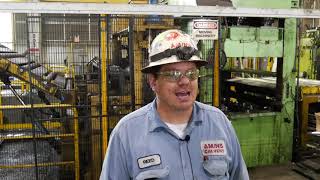
Watch & Learn
Curated videos to help you explore




Helpful Resources
Articles and guides for deeper learning
Frequently Asked Questions
Quick answers to common questions
QWhat are the typical work hours for a fabricator?
Fabricators often work standard 40-hour weeks, but overtime may be required depending on project deadlines and demand. Some roles may involve shift work.
QIs physical strength a major requirement for fabricators?
While some tasks may require physical exertion, modern fabrication increasingly relies on machinery and automation. Proper technique and safety are more important than brute strength.
QWhat kind of educational background is needed to become a fabricator?
Many fabricators learn through vocational training programs, apprenticeships, or on-the-job experience. High school courses in math, physics, and shop classes can be beneficial.
Explore All 1,500+ Careers
Browse our full career explorer or take an assessment to get personalised recommendations.