Site Engineer
Also known as: Site Engineering, Construction Engineer
A Site Engineer is a key player in bringing construction projects to life, ensuring that the detailed plans created by architects and designers are accurately implemented on site. They are the eyes and ears on the ground, managing the day-to-day technical, organizational, and supervisory tasks. From checking safety protocols to solving unexpected problems, site engineers are essential for making sure buildings, bridges, and other structures are built safely, on time, and within budget.
10
Skills to Learn
4
Career Levels
10
Top Companies
2
Education Paths
Sneak Peek
Have you ever looked at a towering skyscraper or a long, winding bridge and wondered how it all came together? What if you could be the person on the ground making sure those amazing structures are built safely and exactly as planned?
What does a Site Engineer do?
A Site Engineer is a key player in bringing construction projects to life, ensuring that the detailed plans created by architects and designers are accurately implemented on site. They are the eyes and ears on the ground, managing the day-to-day technical, organizational, and supervisory tasks.
- Salary in India
- ₹2.5 to ₹10 lakh a year
- Demand
- Growing
- Remote work
- Location-Bound
- Industry
- Construction
Is This Career For You?
Discover if your personality matches this career
Your Personality Fit (RIASEC)
You enjoy hands-on work, problem-solving with tangible results, and working with tools and machinery. Site engineering involves direct involvement in construction and infrastructure projects, making this a strong fit.
You are curious, analytical, and enjoy solving complex problems. Site engineers need to analyze issues, understand technical drawings, and find solutions to on-site challenges.
You are organized, detail-oriented, and enjoy structured environments. Site engineering requires meticulous planning, adherence to standards, and managing documentation.
You are persuasive, enjoy leading, and are motivated by challenges and recognition. Site engineers often take initiative, manage teams, and drive projects forward.
You enjoy helping others and working in teams. While not the primary focus, site engineers collaborate with various teams and stakeholders.
This career path doesn't heavily rely on creativity or self-expression in the traditional artistic sense.
You'll Love This Career If...
Like what you see? Get full access.
Save this career, compare with others, and get your personalized career plan.
50,000+ students already signed up
A Day in the Life
What your typical workday looks like
Your day starts early, often before the main crew arrives, with a thorough inspection of the site to ensure everything is safe and ready for the day's work. You'll then brief your team on the tasks ahead, review blueprints and technical drawings to confirm the construction aligns with the design, and spend a significant part of your day out on the actual construction site. This involves closely monitoring the work, making sure quality standards are met, and troubleshooting any issues that pop up. You'll coordinate with contractors, possibly meet with clients or architects to discuss progress or resolve queries, and meticulously document everything from daily progress to material usage. Before heading home, a final walkthrough ensures everything is secure and planned for the next day.
Myth vs Reality
Tap to reveal the truth behind common misconceptions
Skills You'll Need
Master these to excel in this career
Technical Skills
4CAD Software
Proficiency in computer-aided design software for creating technical drawings.
Site Inspection
Skill in conducting thorough inspections of construction sites to ensure compliance.
Blueprint Reading
Ability to interpret and understand architectural and engineering blueprints.
Cost Estimation
Skill in estimating the costs of construction projects.
Soft Skills
4Project Management
Ability to oversee and manage construction projects from start to finish.
Communication Skills
Effective verbal and written communication for interacting with team members and clients.
Problem-Solving
Ability to identify issues on-site and find effective solutions.
Team Collaboration
Ability to work effectively with a diverse team of professionals.
Domain Skills
2Safety Regulations
Knowledge of safety standards and regulations in construction.
Construction Materials
Understanding of various construction materials and their applications.
Tools of the Trade
Software and tools you'll work with daily
Software
CAD Software (e.g., AutoCAD, Revit)
Used for reading and creating detailed design plans and blueprints.
Project Management Software (e.g., MS Project, Primavera)
Helps in planning, scheduling, and tracking project progress.
Site Diary / Logbook
Digital or physical record of daily activities, progress, and issues on site.
Hardware
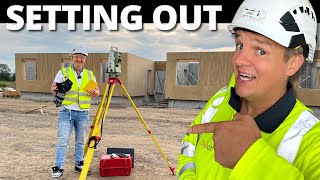
Total Station / Theodolite
Surveying equipment used for precise measurement of angles and distances on the construction site.
Drones
Used for site surveys, progress monitoring, and safety inspections from aerial views.
Safety Equipment (PPE)
Personal protective gear like helmets, safety vests, boots, and goggles to ensure safety on site.
Want to build these skills?
Get a personalized learning roadmap and save careers that match your profile.
50,000+ students already signed up
Your Learning Path
Step-by-step guide to getting started
Understand the Basics of Construction
Start by learning about different construction materials (like concrete, steel, wood), basic structural principles, and common construction methods. You can find introductory videos and articles online, or even visit local construction sites (safely, of course!) to see things in action.
Learn About Project Planning and Management
Get familiar with how projects are planned from start to finish. This includes understanding blueprints, schedules, and how tasks are organized. Explore online tutorials on project management tools and techniques.
Focus on Safety and Quality Standards
Safety is super important on construction sites! Learn about common safety hazards, personal protective equipment (PPE), and standard safety procedures. Also, understand the importance of quality control and how to check if work meets specifications.
Explore Engineering Software and Tools
Familiarize yourself with basic design software (like CAD viewers) and project management tools. Many offer free trial versions or educational licenses. Knowing how to read technical drawings and track progress digitally is a huge advantage.
Career Progression
How your career will grow over time
Junior Site Engineer
EntryAssists senior engineers in site management and technical tasks.
- Assist in site preparation
- Monitor construction activities
- Maintain project documentation
- Conduct basic quality checks
Site Engineer
Mid-LevelManages site operations, ensures compliance with plans, and coordinates with various teams.
- Plan and manage site activities
- Ensure compliance with design specifications
- Coordinate with contractors and subcontractors
- Oversee safety protocols
Senior Site Engineer
SeniorLeads complex projects, provides technical oversight, and mentors junior engineers.
- Lead large-scale projects
- Provide technical guidance
- Mentor junior engineers
- Ensure project timelines and budgets are met
Project Manager
LeadershipOversees multiple projects, manages budgets, and ensures overall project success.
- Manage multiple projects simultaneously
- Oversee project budgets and timelines
- Ensure client satisfaction
- Lead project teams
Education Paths
Bachelor's Degree
B.Tech in Civil Engineering
Civil Engineering
Post-Secondary Certificate/Diploma
Diploma in Civil Engineering
Civil Engineering
Top Hiring Companies
Salary & Future Growth
What you can earn and where the industry is headed
Salary Progression (INR)
Future Career OutlookCurrent Market: Growing
The construction industry in India is experiencing significant growth, driven by government infrastructure spending and large-scale projects like smart cities and transportation networks. This creates a strong demand for skilled professionals.
With continued government focus on infrastructure development, smart cities, and renewable energy projects, the demand for civil engineers, including site engineers, is expected to remain robust for the next decade and beyond. The integration of new technologies will also shape the future of this role.
The long-term outlook for site engineers remains positive as infrastructure development and urbanization continue globally. Adapting to technological advancements and sustainable practices will be key to sustained relevance.
Not sure if Site Engineer is right for you?
Talk to a Stride counsellor for personalised guidance on whether this career fits your interests, strengths, and goals.
Watch & Learn
Curated videos to help you explore





Helpful Resources
Articles and guides for deeper learning
Frequently Asked Questions
Quick answers to common questions
QWhat are the typical working hours for a site engineer?
Working hours can be long and irregular, often including evenings and weekends, especially when nearing project deadlines. Site engineers need to be on-site to supervise activities.
QWhat are the biggest challenges faced by a site engineer?
Challenges include managing diverse teams, dealing with unexpected site conditions, ensuring safety compliance, and meeting tight project deadlines and budgets.
QIs a site engineer's job physically demanding?
Yes, the role is physically demanding as it requires being on construction sites, which often involve uneven terrain, exposure to weather elements, and the need to be constantly on your feet.
Explore All 1,500+ Careers
Browse our full career explorer or take an assessment to get personalised recommendations.