Special Educator
Also known as: Special Needs Educator, SPED Teacher, Exceptional Student Educator
A special educator is a dedicated professional who works with students with diverse learning, emotional, mental, and physical disabilities. They play a crucial role in creating individualized learning plans, adapting general education lessons, and teaching essential life skills to help students succeed both in school and in their community. Special educators are pivotal in ensuring that every student receives the support and education they need to reach their full potential, regardless of their challenges.
10
Skills to Learn
4
Career Levels
4
Top Companies
3
Education Paths
Sneak Peek
Do you have a passion for helping others and making a real difference in students' lives? Are you a patient and creative problem-solver who enjoys a challenge? If so, a career as a special educator might be the perfect fit for you!
What does a Special Educator do?
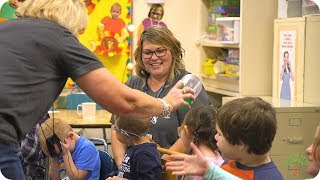
A special educator is a dedicated professional who works with students with diverse learning, emotional, mental, and physical disabilities. They play a crucial role in creating individualized learning plans, adapting general education lessons, and teaching essential life skills to help students succeed both in school and in their community.
- Salary in India
- ₹3 to ₹6 lakh a year
- Demand
- Declining
- Remote work
- Location-Bound
- Industry
- Education
Is This Career For You?
Discover if your personality matches this career
Your Personality Fit (RIASEC)
You love helping others and are driven by a desire to support students with unique learning needs.
You enjoy understanding complex challenges and developing tailored strategies to help students learn and grow.
You can be creative in developing engaging lesson plans and finding innovative ways to connect with students.
You are motivated to advocate for your students and can take initiative in collaborating with parents and administrators.
You are hands-on and enjoy practical problem-solving in a structured environment.
You can follow established procedures for creating and implementing educational plans.
You'll Love This Career If...
Like what you see? Get full access.
Save this career, compare with others, and get your personalized career plan.
50,000+ students already signed up
A Day in the Life
What your typical workday looks like
Your day begins with reviewing student progress and preparing engaging, adapted lessons for the day. You might start by working one-on-one with a student on a specific skill, then transition to a small group session focusing on a core academic subject. Throughout the day, you
Myth vs Reality
Tap to reveal the truth behind common misconceptions
Skills You'll Need
Master these to excel in this career
Technical Skills
3Lesson Planning
Creating and organizing educational content for students.
Behavior Management
Implementing strategies to maintain a positive classroom environment.
Assessment and Evaluation
Measuring student progress and adjusting teaching methods accordingly.
Soft Skills
4Communication
Ability to convey information clearly and effectively.
Empathy
Understanding and relating to students' feelings and emotions.
Teamwork
Collaborating effectively with colleagues and stakeholders.
Adaptability
Adjusting to new situations and challenges in the classroom.
Domain Skills
3Special Education Law
Understanding legal requirements and rights of students with disabilities.
Inclusive Education
Applying principles of inclusive education to support all students.
Differentiated Instruction
Tailoring teaching methods to meet diverse learning needs.
Tools of the Trade
Software and tools you'll work with daily
Framework
Individualized Education Programs (IEPs)
These are personalized plans that outline a student's specific learning goals and the support they need to achieve them.
Behavior Management Strategies
Techniques and plans used to encourage positive behavior and address challenging behaviors in the classroom.
Software
Assistive Technology
Tools like text-to-speech software, specialized keyboards, or communication devices that help students access learning.
Assessment Tools
Tests and observations used to understand a student's current abilities, track progress, and inform instruction.
Educational Games and Activities
Engaging and interactive materials designed to make learning fun and reinforce concepts.
Platform
Learning Management Systems (LMS)
Online platforms used to organize lessons, track student progress, and communicate with students and parents.
Hardware
Specialized Manipulatives
Physical objects like blocks, counters, or visual aids that help students understand abstract concepts.
Want to build these skills?
Get a personalized learning roadmap and save careers that match your profile.
50,000+ students already signed up
Your Learning Path
Step-by-step guide to getting started
Explore the World of Special Education
Start by understanding what special education is all about. Read articles, watch videos, and learn about the different types of needs students might have. This will help you see if this path sparks your interest.
Gain Foundational Knowledge
Enroll in introductory courses or a diploma program in special education. You'll learn about child development, common learning disabilities, basic teaching strategies, and classroom management.
Get Hands-On Experience
Seek out volunteer opportunities or internships in schools or organizations that work with children with special needs. This practical experience is crucial for understanding the daily realities of the job.
Pursue Formal Education and Certification
Complete a bachelor's degree in special education or a related field, followed by any required state-specific teacher preparation programs and certification exams to become a licensed special educator.
Career Progression
How your career will grow over time
Special Education Paraprofessional/Teacher Aide
EntryAssists special education teachers in classroom activities and student support.
- Helping with lesson preparation
- Supervising students during activities
- Providing one-on-one support to students
Special Education Teacher
Mid-LevelTeaches students with special needs, develops IEPs, and collaborates with other professionals.
- Creating and implementing Individualized Education Programs (IEPs)
- Differentiating instruction to meet student needs
- Collaborating with therapists and parents
Lead Special Education Teacher
SeniorLeads a team of special education teachers, oversees IEP implementation, and provides professional development.
- Leading a team of special education teachers
- Overseeing the implementation of IEPs
- Providing professional development for staff
Special Education Coordinator
LeadershipManages special education programs, ensures compliance with laws, and coordinates with stakeholders.
- Managing special education programs
- Ensuring compliance with special education laws
- Coordinating with stakeholders
Education Paths
Post-Secondary Certificate/Diploma
Diploma in Special Education
Special Education
Bachelor's Degree
B.Ed. in Special Education
Special Education
Master's Degree
M.Ed. in Special Education
Special Education
Top Hiring Companies
Salary & Future Growth
What you can earn and where the industry is headed
Salary Progression (INR)
Future Career OutlookCurrent Market: Declining
Special education teachers work with students from preschool to high school, adapting general education lessons and teaching various subjects to students with mild to moderate disabilities. They also teach basic skills to students with severe disabilities. They assess students' skills, develop Individualized Education Programs (IEPs), and track student progress.
The demand for special education teachers is projected to decline slightly, with openings primarily resulting from the need to replace workers who transfer to other occupations or exit the labor force. However, the need for specialized educators to support students with diverse needs is expected to persist.
The long-term outlook will likely be influenced by societal changes, educational policies, and the integration of technology in special education. While the overall demand may see fluctuations, the core role of supporting students with disabilities will remain crucial.
Not sure if Special Educator is right for you?
Talk to a Stride counsellor for personalised guidance on whether this career fits your interests, strengths, and goals.
Watch & Learn
Curated videos to help you explore



Helpful Resources
Articles and guides for deeper learning
Frequently Asked Questions
Quick answers to common questions
QWhat is an IEP?
An IEP, or Individualized Education Program, is a legal document that outlines a student's educational goals, the services they will receive, and how their progress will be measured.
QWhat kind of disabilities do special education teachers work with?
Special education teachers work with students who have a wide range of learning, mental, emotional, and physical disabilities, including conditions like autism spectrum disorders, emotional disorders, and various learning impairments.
QDo special education teachers need a specific degree?
Yes, in public schools, special education teachers are required to have at least a bachelor's degree and a state-issued certification or license. Some states may require a master's degree after employment.
Explore All 1,500+ Careers
Browse our full career explorer or take an assessment to get personalised recommendations.