Telecom Terminal Equipment Application Developer
Also known as: Telecom App Developer, Terminal Application Engineer, Device Software Engineer
As a Mobile App Developer, you are the creative mind and builder behind the applications on smartphones and other mobile devices. Your job is to design, develop, and maintain these apps, turning an idea into a functional and user-friendly experience. You'll work on everything from e-commerce and social networking apps to advanced applications in finance and healthcare, ensuring they run smoothly on platforms like iOS and Android.
5
Skills to Learn
4
Career Levels
5
Top Companies
4
Education Paths
Sneak Peek
Do you love tinkering with the latest gadgets and figuring out how they work? Have you ever wondered what goes into making your smartphone or smart TV function seamlessly?
What does a Telecom Terminal Equipment Application Developer do?
You are the creative mind and builder behind the applications on smartphones and other mobile devices. Your job is to design, develop, and maintain these apps, turning an idea into a functional and user-friendly experience. You'll work on everything from e-commerce and social networking apps to advanced applications in finance and healthcare, ensuring they run smoothly on platforms like iOS and Android.
- Salary in India
- ₹5 to ₹9 lakh a year
- Demand
- Growing
- Remote work
- Hybrid
- Industry
- Information Technology
Is This Career For You?
Discover if your personality matches this career
Your Personality Fit (RIASEC)
You enjoy diving deep into how things work, solving complex problems, and figuring out the logic behind systems.
You like structured processes, detailed documentation, and ensuring that applications are reliable and function as expected.
You have a creative side and enjoy designing user-friendly and visually appealing applications.
You are comfortable working with new technologies and can help guide the development process.
You appreciate the practical application of technology and enjoy seeing your code come to life in working systems.
While not the primary focus, you'll collaborate with teams and sometimes users.
You'll Love This Career If...
Like what you see? Get full access.
Save this career, compare with others, and get your personalized career plan.
50,000+ students already signed up
A Day in the Life
What your typical workday looks like
Imagine starting your day by testing a new feature on a smart home device. You
Myth vs Reality
Tap to reveal the truth behind common misconceptions
Skills You'll Need
Master these to excel in this career
Technical Skills
2Python Programming
Proficiency in Python for developing telecom applications.
Network Protocols
Understanding of network protocols like TCP/IP.
Soft Skills
2Problem-Solving
Ability to solve complex technical problems.
Team Collaboration
Working effectively with team members.
Domain Skills
1Telecom Industry Knowledge
Understanding of telecom industry standards and practices.
Tools of the Trade
Software and tools you'll work with daily
Software
Integrated Development Environments (IDEs) like VS Code, IntelliJ IDEA
These are like digital workshops where developers write, test, and debug their code.
Version Control Systems (e.g., Git)
Tools to track changes in code, allowing teams to collaborate effectively and revert to previous versions if needed.
Debugging Tools
Software used to find and fix errors (bugs) in the application code.
Platform
Cloud Platforms (e.g., AWS, Azure, GCP)
These platforms provide services for developing, deploying, and managing applications, especially those that need to scale.
Framework
Programming Languages (e.g., Python, C++, Java, JavaScript)
The core languages used to write the instructions that make applications work.
Hardware
Embedded Systems
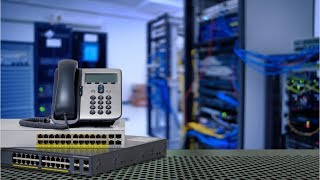
The actual hardware devices (like routers, modems, IoT devices) that the applications are designed to run on or interact with.
Want to build these skills?
Get a personalized learning roadmap and save careers that match your profile.
50,000+ students already signed up
Your Learning Path
Step-by-step guide to getting started
Start with the Basics of How Computers Work
Begin by understanding fundamental computer science concepts. Learn about algorithms, data structures, and how software interacts with hardware at a basic level. Think of it like learning the alphabet before writing a story.
Learn a Foundational Programming Language
Pick a beginner-friendly language like Python. Practice writing simple programs, solving coding challenges, and understanding programming logic. This is where you start building your coding muscles.
Explore Web Development and Networking Concepts
Since telecom involves connecting devices, learn about basic networking principles (like how the internet works) and web development basics (HTML, CSS, JavaScript). This helps you understand how applications communicate.
Dive into Telecom-Specific Technologies and Embedded Systems
Once you have a solid programming foundation, start learning about the specific hardware and software used in telecommunications (like routers, modems) and begin exploring languages like C/C++ often used in embedded systems. You might also look into cloud platforms relevant to the telecom industry.
Career Progression
How your career will grow over time
Junior Telecom Terminal Equipment Application Developer
EntryDevelops and maintains basic applications for telecom terminal equipment under supervision.
- Assist in developing applications for telecom terminal equipment.
- Perform basic debugging and testing of applications.
- Collaborate with senior developers for project requirements.
Telecom Terminal Equipment Application Developer
Mid-LevelDevelops, maintains, and enhances applications for telecom terminal equipment.
- Develop and maintain applications for telecom terminal equipment.
- Conduct testing and debugging of applications.
- Collaborate with cross-functional teams for project delivery.
Senior Telecom Terminal Equipment Application Developer
SeniorLeads the development and maintenance of complex applications for telecom terminal equipment.
- Lead the development and maintenance of complex applications.
- Mentor junior developers.
- Ensure application performance and scalability.
Telecom Terminal Equipment Application Development Manager
LeadershipManages a team of developers and oversees the development of telecom terminal equipment applications.
- Manage a team of developers.
- Oversee project delivery and timelines.
- Ensure alignment with company goals and strategies.
Education Paths
Post-Secondary Certificate/Diploma
Associate Degree
Bachelor's Degree
Master's Degree
Top Hiring Companies
Salary & Future Growth
What you can earn and where the industry is headed
Salary Progression (INR)
Future Career OutlookCurrent Market: Growing
The demand for telecom terminal equipment application developers is currently strong, driven by the continuous evolution of telecommunications technology, including the expansion of 5G networks and the increasing reliance on connected devices.
The medium to long-term outlook for telecom terminal equipment application developers is very positive. As technologies like 6G, the Internet of Things (IoT), and AI become more integrated into telecommunications, the need for skilled developers to create and manage applications for these terminal devices will continue to grow significantly.
In the very long term, the role is expected to remain in high demand as telecommunications infrastructure continues to advance. The development of new communication paradigms and the increasing ubiquity of connected systems will ensure a sustained need for specialists in this field.
Not sure if Telecom Terminal Equipment Application Developer is right for you?
Talk to a Stride counsellor for personalised guidance on whether this career fits your interests, strengths, and goals.
Watch & Learn
Curated videos to help you explore



Helpful Resources
Articles and guides for deeper learning
Frequently Asked Questions
Quick answers to common questions
QWhat kind of applications do telecom terminal equipment application developers create?
These developers create applications that run on devices like smartphones, routers, smart home devices, and other equipment that connects to telecommunication networks. This can include everything from user interfaces for managing network settings to software that enables new communication features.
QDo I need to be an expert in hardware to be a telecom terminal equipment application developer?
While understanding how hardware works is beneficial, deep expertise in hardware design isn't always necessary. The focus is more on developing the software that interacts with and controls the terminal equipment's connection to the network.
QWhat is the difference between a telecom terminal equipment application developer and a general mobile app developer?
While both involve app development, telecom terminal equipment application developers focus specifically on the software that manages and utilizes telecommunication network connections on devices, often involving lower-level network protocols and hardware interactions specific to telecom infrastructure.
Explore All 1,500+ Careers
Browse our full career explorer or take an assessment to get personalised recommendations.