Warehouse Forklift Operator
Also known as: Forklift Driver, Forklift Technician, Powered Industrial Truck Operator
A Warehouse Forklift Operator is like the power-lifter of the logistics world, responsible for safely and efficiently moving large quantities of goods around a warehouse, distribution center, or factory. Using a powerful machine called a forklift, you'll be lifting, stacking, and transporting everything from boxes of sneakers to heavy construction materials. You're a key player in the supply chain, making sure products are in the right place at the right time so they can eventually make their way to stores and customers.
10
Skills to Learn
4
Career Levels
5
Top Companies
2
Education Paths
Sneak Peek
Ever wondered how all those packages get from the warehouse to your doorstep so quickly? It takes a skilled operator to keep things moving! If you enjoy hands-on work and have a knack for precision, a career as a forklift operator might be your next big move.
What does a Warehouse Forklift Operator do?
A Warehouse Forklift Operator is like the power-lifter of the logistics world, responsible for safely and efficiently moving large quantities of goods around a warehouse, distribution center, or factory. Using a powerful machine called a forklift, you'll be lifting, stacking, and transporting everything from boxes of sneakers to heavy construction materials.
- Salary in India
- ₹2.5 to ₹8 lakh a year
- Demand
- Growing
- Remote work
- Location-Bound
- Industry
- Warehousing and Logistics
Is This Career For You?
Discover if your personality matches this career
Your Personality Fit (RIASEC)
You enjoy working with your hands and operating machinery like forklifts to move and organize goods.
You appreciate structured environments, following procedures, and maintaining organized inventory.
You might enjoy figuring out the most efficient ways to store items or troubleshoot minor equipment issues.
While teamwork is involved, the core tasks are more independent.
There may be opportunities to take initiative, but it's not the primary focus.
This role doesn't heavily rely on artistic expression.
You'll Love This Career If...
Like what you see? Get full access.
Save this career, compare with others, and get your personalized career plan.
50,000+ students already signed up
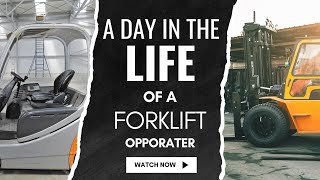
A Day in the Life
What your typical workday looks like
Your day starts with a quick check of your forklift – making sure the brakes, tires, and fluids are all in good shape. Then, it’s time to get to work! You might be carefully moving pallets of goods to storage racks, loading trucks for outgoing shipments, or unloading incoming deliveries. You’ll use scanners to keep track of inventory, ensuring everything is in the right place. You’ll work closely with a team, communicating to keep operations smooth and safe. It’s a dynamic role where you’re always on the move, contributing directly to the flow of goods.
Myth vs Reality
Tap to reveal the truth behind common misconceptions
Skills You'll Need
Master these to excel in this career
Technical Skills
3Forklift Operation
Operating forklifts safely and efficiently.
Inventory Management
Understanding and managing inventory levels and locations.
Safety Procedures
Following strict safety guidelines to prevent accidents.
Soft Skills
7Physical Stamina
Maintaining energy and endurance for long shifts.
Attention to Detail
Ensuring accurate handling and placement of materials.
Teamwork
Collaborating with other warehouse staff for smooth operations.
Problem-Solving
Addressing and resolving issues during operations.
Time Management
Prioritizing tasks to meet deadlines and operational goals.
Communication
Effectively communicating with team members and supervisors.
Adaptability
Adjusting to changing conditions and priorities in the warehouse.
Tools of the Trade
Software and tools you'll work with daily
Hardware
Forklift (various types: counterbalance, reach, order picker)
Powered industrial trucks used to move, stack, and retrieve heavy loads efficiently and safely.
Pallet Jack (manual and electric)
Devices used for lifting and moving pallets, essential for many warehouse tasks.
Barcode Scanner / RFID Reader
Devices used to quickly scan and log inventory items, updating the WMS in real-time.
Handheld Devices/Tablets
Used for data entry, accessing work orders, and communicating within the warehouse.
Safety Gear (hard hat, safety vest, steel-toed boots)
Personal Protective Equipment (PPE) required to ensure operator safety in a warehouse environment.
Software
Warehouse Management System (WMS)
Software used to manage and track inventory, orders, and all warehouse operations.
Shipping Software
Used for generating shipping labels, tracking shipments, and managing outgoing goods.
Want to build these skills?
Get a personalized learning roadmap and save careers that match your profile.
50,000+ students already signed up
Your Learning Path
Step-by-step guide to getting started
Earn Your High School Diploma or GED
Focus on getting your high school diploma or GED. Good grades in subjects like math and any vocational or technical classes can be very helpful.
Get Certified in Forklift Operation
Enroll in an accredited forklift operator training program. This will teach you essential safety procedures, how to operate different types of forklifts, and proper load handling techniques. Upon completion, you'll receive a certification, which is crucial for most jobs.
Gain Hands-On Experience
Seek entry-level positions like a warehouse associate or material handler. Even without prior forklift experience, these roles allow you to learn about warehouse operations, work with equipment like pallet jacks, and potentially get trained on forklifts by your employer.
Master Warehouse Technologies and Seek Advancement
Once you're comfortable operating a forklift, focus on learning the warehouse management systems (WMS), barcode scanners, and other technologies used in the warehouse. Express interest in further training or certifications to move into more specialized or supervisory roles.
Career Progression
How your career will grow over time
Warehouse Forklift Operator
EntryBeginning as a Forklift Operator involves mastering basic forklift operations, safety protocols, and inventory management.
- Operate forklifts safely
- Load and unload goods
- Inspect equipment daily
- Maintain inventory records
Warehouse Supervisor
Mid-LevelSupervising forklift operators and overseeing daily warehouse activities.
- Manage forklift operators
- Ensure safety compliance
- Optimize warehouse operations
Warehouse Manager
SeniorOverseeing all warehouse operations, including staff management and inventory control.
- Manage warehouse staff
- Maintain inventory levels
- Implement warehouse strategies
Logistics Coordinator
LeadershipCoordinating the storage and movement of goods, ensuring efficient logistics operations.
- Plan logistics operations
- Manage supply chain
- Ensure timely delivery of goods
Education Paths
Upper Secondary
High school diploma or equivalent
Post-Secondary Certificate/Diploma
Forklift Operator Certification
Top Hiring Companies
Salary & Future Growth
What you can earn and where the industry is headed
Salary Progression (INR)
Future Career OutlookCurrent Market: Growing
The demand for Warehouse Forklift Operators is currently stable, with many job openings available across various industries like e-commerce, manufacturing, and retail. On-the-job training is common, making it accessible for those with a high school diploma.
The job outlook for Warehouse Forklift Operators is projected to grow as fast as the average for all occupations. This steady growth is driven by the continuous expansion of e-commerce and the need for efficient supply chain operations. Advancements in automation may shift some tasks, but the core need for skilled operators remains.
The long-term outlook for Warehouse Forklift Operators is expected to remain stable, influenced by the ongoing growth in logistics and warehousing. While autonomous forklifts are becoming more prevalent, they are more likely to augment rather than replace human operators in the foreseeable future. Opportunities may evolve to include managing and interacting with automated systems.
Not sure if Warehouse Forklift Operator is right for you?
Talk to a Stride counsellor for personalised guidance on whether this career fits your interests, strengths, and goals.
Watch & Learn
Curated videos to help you explore



Helpful Resources
Articles and guides for deeper learning
Frequently Asked Questions
Quick answers to common questions
QWhat are the typical working hours for a Warehouse Forklift Operator?
Working hours can vary depending on the facility, but shifts often include early mornings, evenings, or weekends, as many warehouses operate 24/7.
QIs a forklift certification required to become a Warehouse Forklift Operator?
While not always mandatory at the entry-level, a forklift operator certification, often OSHA-compliant, is highly beneficial and sometimes required by employers. Many companies offer on-the-job training and certification programs.
QWhat is the salary range for a Warehouse Forklift Operator?
The median salary for a Warehouse Forklift Operator is around $37,000 USD annually, with a typical range between $30,000 and $50,000+ USD. Salaries can vary based on experience, location, and the specific industry.
Explore All 1,500+ Careers
Browse our full career explorer or take an assessment to get personalised recommendations.