X-Ray Technician
Also known as: Radiologic Technologist, X-Ray Operator
An X-ray technician is a healthcare professional who uses special equipment to create images of the inside of the human body. Think of them as the body's photographers! They use electromagnetic radiation (X-rays) to take pictures of bones and internal structures, which helps doctors diagnose injuries and illnesses, from broken bones to more complex diseases, without ever having to make a single cut.
10
Skills to Learn
4
Career Levels
5
Top Companies
3
Education Paths
Sneak Peek
Ever wondered how doctors can see inside your body without surgery to figure out what
What does an X-Ray Technician do?
An X-ray technician is a healthcare professional who uses special equipment to create images of the inside of the human body. Think of them as the body's photographers! They use electromagnetic radiation (X-rays) to take pictures of bones and internal structures, which helps doctors diagnose injuries and illnesses, from broken bones to more complex diseases, without ever having to make a single cut.
- Salary in India
- ₹2.5 to ₹5 lakh a year
- Demand
- Stable
- Remote work
- Location-Bound
- Industry
- Healthcare
Is This Career For You?
Discover if your personality matches this career
Your Personality Fit (RIASEC)
You enjoy working with your hands and with tools, and you like to see tangible results. You're practical and hands-on.
You enjoy observing, understanding, and investigating. You like to solve problems and work with data and scientific concepts.
You enjoy helping and interacting with others. You're empathetic and like to be part of a team.
You have a creative flair and enjoy expressing yourself. You appreciate aesthetics and unique perspectives.
You enjoy working with data and following procedures. You're organized and detail-oriented.
You enjoy leading and persuading others. You're ambitious and like to take charge.
You'll Love This Career If...
Like what you see? Get full access.
Save this career, compare with others, and get your personalized career plan.
50,000+ students already signed up
A Day in the Life
What your typical workday looks like
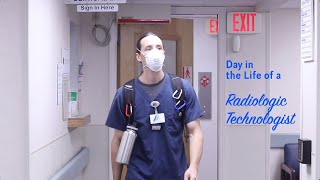
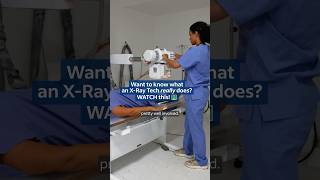
A typical day for an X-ray technician is very hands-on and patient-focused. You'll start by reviewing the day's appointments, then greet your first patient, explaining the X-ray procedure to them in a way that makes them feel comfortable and safe. You will carefully position the patient and the imaging equipment to get the perfect shot, ensuring both their safety and yours from radiation. After taking the images, you'll check them for quality and clarity before sending them to a radiologist for diagnosis, all while keeping the equipment clean and maintained for the next person.
Myth vs Reality
Tap to reveal the truth behind common misconceptions
Skills You'll Need
Master these to excel in this career
Technical Skills
4Operating X-ray Equipment
Knowing how to operate and maintain X-ray machines.
Attention to Detail
Ensuring accuracy in image capture and patient positioning.
Image Quality Assessment
Evaluating the quality of X-ray images to ensure they meet diagnostic standards.
Radiation Safety
Knowledge of radiation safety protocols to protect patients and themselves.
Soft Skills
4Patient Communication
Effectively communicating with patients to ensure comfort and safety.
Time Management
Efficiently managing time to handle multiple patients and tasks.
Problem-Solving
Quickly identifying and resolving issues that arise during imaging procedures.
Team Collaboration
Working effectively with other healthcare professionals to provide comprehensive patient care.
Domain Skills
2Radiology Knowledge
Understanding of basic radiology concepts and principles.
Continuous Learning
Staying updated with the latest advancements in radiology technology and techniques.
Tools of the Trade
Software and tools you'll work with daily
Hardware
X-ray Machine
This is the main equipment used to create X-ray images by passing radiation through the body.
Radiography Table
A specialized table where patients lie or sit for imaging.
Image Receptor (Digital or Film)
Captures the X-ray image after it passes through the patient.
Positioning Aids (sponges, straps)
Used to help patients hold the correct position for clear images.
Lead Aprons and Shields
Protective gear to minimize radiation exposure to the technician and patient.
Software
PACS (Picture Archiving and Communication System)
A system used to store, retrieve, and view medical images.
RIS (Radiology Information System)
Manages patient data, scheduling, and billing for radiology procedures.
Want to build these skills?
Get a personalized learning roadmap and save careers that match your profile.
50,000+ students already signed up
Your Learning Path
Step-by-step guide to getting started
High School Foundations
Focus on science classes like Biology and Physics, and math courses. Develop strong communication and interpersonal skills through electives and extracurriculars.
Associate's Degree Program
Enroll in an accredited Radiologic Technology program. You'll learn anatomy, physiology, radiation physics, patient care, and imaging techniques. This typically takes two years.
Clinical Experience and Certification
Gain hands-on experience through supervised clinical rotations in hospitals and imaging centers. Pass a national certification exam (like the ARRT) to become a registered radiologic technologist.
Begin Your Career
Seek entry-level positions in hospitals, clinics, or imaging centers. Continue learning about new technologies and consider specializing in areas like CT or MRI.
Career Progression
How your career will grow over time
X-ray Technician Intern
EntryAs an entry-level x-ray technician, you will primarily focus on performing diagnostic imaging procedures under the supervision of more experienced professionals. Your main responsibilities will include preparing patients for imaging, operating x-ray equipment, and ensuring patient safety. You will also be involved in maintaining equipment and documenting procedures.
- Prepare patients for imaging procedures
- Operate x-ray equipment
- Ensure patient safety
- Maintain equipment
- Document procedures
Senior X-ray Technician
Mid-LevelAt the mid-level, x-ray technicians take on more responsibility and may begin to specialize in certain types of imaging. They work independently but still collaborate with radiologists and other healthcare professionals. Their duties include advanced imaging techniques, patient education, and quality control of imaging procedures.
- Perform advanced imaging techniques
- Educate patients about procedures
- Ensure quality control of imaging procedures
- Collaborate with healthcare professionals
Lead X-ray Technician
SeniorSenior x-ray technicians are experts in their field and often take on leadership roles. They may supervise other technicians, manage imaging departments, and contribute to research and development in radiologic technology. Their responsibilities include mentoring junior staff, implementing new technologies, and ensuring compliance with regulations.
- Supervise junior staff
- Manage imaging departments
- Implement new technologies
- Ensure compliance with regulations
Radiologic Technology Director
LeadershipAt the leadership level, x-ray technicians hold positions such as department heads or radiologic technology directors. They are responsible for strategic planning, policy development, and overall management of the imaging department. They also play a key role in advancing the field through research and collaboration with other healthcare professionals.
- Strategic planning
- Policy development
- Manage imaging department
- Advance the field through research
Education Paths
Associate Degree
Associate's Degree
Radiologic Technology
Bachelor's Degree
Bachelor's Degree
Radiologic Technology
Post-Secondary Certificate/Diploma
Top Hiring Companies
Salary & Future Growth
What you can earn and where the industry is headed
Salary Progression (INR)
Future Career OutlookCurrent Market: Stable
The job outlook for X-ray technicians is stable, with consistent demand in healthcare settings. As medical technology advances, there's a steady need for skilled professionals to operate imaging equipment and contribute to patient diagnosis.
Demand is expected to remain steady, driven by an aging population and the increasing use of diagnostic imaging across various medical specialties. While new technologies may emerge, the fundamental need for skilled operators will persist.
The field is likely to continue evolving with technological advancements, such as AI in image analysis and potentially new imaging techniques. However, the core role of operating equipment and ensuring patient safety will remain crucial, ensuring long-term relevance.
Not sure if X-Ray Technician is right for you?
Talk to a Stride counsellor for personalised guidance on whether this career fits your interests, strengths, and goals.
Watch & Learn
Curated videos to help you explore


Helpful Resources
Articles and guides for deeper learning
Frequently Asked Questions
Quick answers to common questions
QWhat is the difference between an X-ray technician and a radiologist?
An X-ray technician operates the imaging equipment to capture diagnostic images, while a radiologist is a medical doctor who interprets these images to make diagnoses.
QWhat kind of education is required?
Typically, an associate's degree in radiologic technology is required, along with certification and state licensure.
QWhat are the typical work environments?
X-ray technicians primarily work in hospitals, diagnostic imaging centers, and physicians' offices.
Explore All 1,500+ Careers
Browse our full career explorer or take an assessment to get personalised recommendations.