Prosthetist
Also known as: Prosthetician, Artificial Limb Specialist
As a Prosthetist, you are a healthcare professional who designs, fabricates, and fits artificial limbs, called prostheses, for individuals who have experienced limb loss. You work closely with patients to understand their needs and lifestyle, creating custom devices that restore mobility, improve function, and significantly enhance their quality of life. It’s a role that combines technical skill with a deep sense of empathy.
6
Skills to Learn
4
Career Levels
3
Top Companies
3
Education Paths
Sneak Peek
Have you ever wondered how people who have lost a limb regain the ability to walk, run, or even grasp objects? Imagine being the person who designs and creates those life-changing devices!
What does a Prosthetist do?
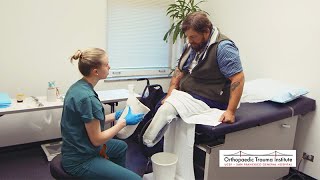
You are a healthcare professional who designs, fabricates, and fits artificial limbs, called prostheses, for individuals who have experienced limb loss. You work closely with patients to understand their needs and lifestyle, creating custom devices that restore mobility, improve function, and significantly enhance their quality of life.
- Salary in India
- ₹4 to ₹10 lakh a year
- Demand
- Growing
- Remote work
- Location-Bound
- Industry
- Healthcare
Is This Career For You?
Discover if your personality matches this career
Your Personality Fit (RIASEC)
You enjoy working with your hands and using tools to build or fix things. Designing and fitting artificial limbs requires a lot of hands-on skill and precision.
You genuinely want to help people and make a positive impact on their lives. A prosthetist directly improves a patient's quality of life and mobility.
You like solving puzzles and understanding how things work. Prosthetics involves understanding the human body (anatomy, biomechanics) and how to engineer devices to work with it.
You have a methodical approach to tasks and enjoy detailed work. Precision in measurement, documentation, and following procedures is key in this role.
You are comfortable taking charge and working with others to achieve goals. While not a sales role, you'll need to communicate effectively with patients and healthcare teams.
While not the primary focus, there can be an artistic element in creating devices that are both functional and aesthetically pleasing to the individual.
You'll Love This Career If...
Like what you see? Get full access.
Save this career, compare with others, and get your personalized career plan.
50,000+ students already signed up
A Day in the Life
What your typical workday looks like
Your day might start with meeting a new patient to discuss their needs and take precise measurements for a custom artificial limb. Later, you could be in the lab, using specialized tools and materials like carbon fiber or 3D printing technology to craft a prosthetic device. The afternoon might involve fitting the device on a patient, making fine adjustments for comfort and function, and then teaching them how to use it effectively, celebrating their progress with them.
Myth vs Reality
Tap to reveal the truth behind common misconceptions
Skills You'll Need
Master these to excel in this career
Technical Skills
2Prosthetic Design
Designing prosthetic limbs and devices.
Patient Assessment
Evaluating patients' needs and conditions.
Soft Skills
2Collaboration
Working with healthcare professionals and patients.
Attention to Detail
Ensuring precision in prosthetic fittings.
Domain Skills
2Medical Knowledge
Understanding of human anatomy and medical conditions.
Regulatory Compliance
Adhering to healthcare regulations and standards.
Tools of the Trade
Software and tools you'll work with daily
Hardware
Casting materials
Used to create molds of a patient's residual limb, which are essential for designing a perfectly fitting prosthesis.
Measurement tools (tape measures, calipers)
Precise instruments used to take exact measurements of the residual limb and the sound limb for creating symmetrical and functional prostheses.
Grinding and shaping tools
Used to carve, shape, and smooth prosthetic components and sockets to ensure a comfortable and effective fit.
3D printers
Modern tools used to fabricate custom prosthetic components directly from digital designs, offering speed and customization.
Prosthetic components (sockets, feet, knees)
The actual parts that make up a prosthesis, designed to mimic the function and structure of the missing limb.
Software
CAD software
Computer-Aided Design software used to create digital models of prosthetic devices, allowing for precise design and simulation before physical creation.
Want to build these skills?
Get a personalized learning roadmap and save careers that match your profile.
50,000+ students already signed up
Your Learning Path
Step-by-step guide to getting started
Explore the Basics of Human Anatomy and Movement
Start by learning about the different parts of the human body, how bones and muscles work together, and what 'biomechanics' means. Think of it like understanding the blueprint of the body.
Dive into Engineering and Materials Science
Get curious about how things are built! Learn about different materials, how they behave under stress, and basic principles of design and mechanics. This is like understanding the building blocks and tools.
Pursue Higher Education in Prosthetics and Orthotics
After high school, you'll need to get a Master's degree in Prosthetics and Orthotics from an accredited program. This is where you'll combine your knowledge of the body and engineering in specialized courses and hands-on training.
Complete Residency and Get Certified
Following your degree, you'll complete a residency program to gain practical experience under expert supervision. Finally, you'll pass national certification exams to become a fully qualified Prosthetist.
Career Progression
How your career will grow over time
Certified Prosthetist/Orthotist Assistant
EntryAssists certified prosthetists/orthotists in patient evaluations, device fabrication, and fitting.
- Assist in patient evaluations
- Help with device fabrication
- Support device fitting and adjustments
Staff Prosthetist/Orthotist
Mid-LevelIndependently manages patient care, including device design, fitting, and follow-up.
- Conduct patient evaluations
- Design and fabricate custom devices
- Fit and adjust devices
- Provide patient education
Senior Prosthetist/Orthotist
SeniorManages complex cases, mentors junior staff, and oversees clinical operations.
- Manage complex patient cases
- Mentor junior staff
- Oversee clinical operations
- Ensure compliance with regulations
Clinical Director/Practice Owner
LeadershipLeads clinical teams, develops strategic plans, and manages practice operations.
- Lead clinical teams
- Develop strategic plans
- Manage practice operations
- Ensure quality patient care
Education Paths
Master's Degree
Prosthetics and Orthotics
Prosthetics and Orthotics
Post-Secondary Certificate/Diploma
Bachelor's Degree
Top Hiring Companies
Salary & Future Growth
What you can earn and where the industry is headed
Salary Progression (INR)
Future Career OutlookCurrent Market: Growing
As a prosthetist, you'll be designing and fitting artificial limbs, directly helping people regain mobility and independence. This role combines cutting-edge technology with compassionate patient care, making a real difference in people's lives.
The demand for prosthetists is projected to grow much faster than the average for all occupations. An aging population and advancements in prosthetic technology are expected to drive this demand.
With continued advancements in biomechanics, materials science, and personalized medicine, the field of prosthetics is set for sustained growth and innovation, offering long-term career stability and opportunities for specialization.
Not sure if Prosthetist is right for you?
Talk to a Stride counsellor for personalised guidance on whether this career fits your interests, strengths, and goals.
Watch & Learn
Curated videos to help you explore




Helpful Resources
Articles and guides for deeper learning
Frequently Asked Questions
Quick answers to common questions
QWhat is the difference between a prosthetist and an orthotist?
A prosthetist designs and fits artificial limbs (prostheses), while an orthotist designs and fits braces or supports (orthoses) for people with musculoskeletal weaknesses or deformities.
QWhat kind of technology do prosthetists use?
Prosthetists use a range of technologies, including 3D scanning, CAD/CAM software, advanced materials like carbon fiber and titanium, and specialized fabrication tools. They also work with sophisticated components like microprocessor knees and bionic hands.
QWhat are the typical work settings for a prosthetist?
Prosthetists primarily work in clinical settings such as private practices, hospitals, and rehabilitation centers. Some may also be involved in research or academic settings.
Explore All 1,500+ Careers
Browse our full career explorer or take an assessment to get personalised recommendations.