Aquaculture and Seafood Farmer
Also known as: Fish Farmer, Shrimp Farmer, Shellfish Farmer, Fish Culturist
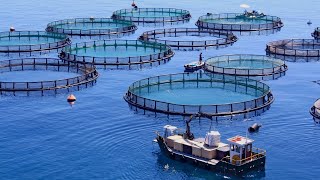
An Aquaculture and Seafood Farmer is responsible for managing the breeding, raising, and harvesting of aquatic organisms like fish, shrimp, and shellfish in controlled environments. This involves tasks such as preparing water bodies, ensuring the health and optimal growth of the stock, managing feeding and water quality, and ultimately, processing and marketing the harvested products. It’s a hands-on role that blends scientific knowledge with practical farming techniques to meet the growing global demand for seafood in a sustainable way.
9
Skills to Learn
4
Career Levels
5
Top Companies
2
Education Paths
Sneak Peek
Ever wondered where your favorite seafood comes from, or how fish farms contribute to feeding the world? Imagine a career where you play a vital role in sustainably raising aquatic life, combining biology, technology, and business to bring healthy food from water to table.
What does an Aquaculture and Seafood Farmer do?
An Aquaculture and Seafood Farmer manages the production of aquatic organisms like fish, shellfish, and seaweed in controlled environments. Their work involves ensuring healthy growth conditions, maintaining water quality, managing staff, and adhering to regulations.
- Salary in India
- ₹2.5 to ₹8 lakh a year
- Demand
- Growing
- Remote work
- Location-Bound
- Industry
- Agriculture
Is This Career For You?
Discover if your personality matches this career
Your Personality Fit (RIASEC)
You enjoy working with your hands, tools, and machinery, and you like being outdoors. This career involves hands-on work with fish, ponds, and equipment.
You enjoy observing, investigating, and understanding systems. This career requires understanding fish biology, water quality, and farming systems.
You enjoy leading, persuading, and taking risks. This can apply if you're managing a farm or starting your own venture.
You enjoy following procedures, organizing data, and working with numbers. Farm management and record-keeping require these skills.
You enjoy helping, teaching, or providing services to others. While not the primary focus, there's an element of contributing to food security.
Your interests are not primarily in creative expression or aesthetics.
You'll Love This Career If...
Like what you see? Get full access.
Save this career, compare with others, and get your personalized career plan.
50,000+ students already signed up
A Day in the Life
What your typical workday looks like
A typical day for an Aquaculture and Seafood Farmer starts early, checking on the health and behavior of the aquatic stock. You might spend your morning monitoring water quality parameters like pH and oxygen levels, adjusting systems as needed, and ensuring the feeding schedules are maintained. Afternoons could involve tasks like preparing new stocking areas, performing routine maintenance on equipment, collecting data on growth rates, or coordinating with team members on harvesting plans. The work is often outdoors or in controlled indoor environments, requiring physical activity and a keen eye for detail.
Myth vs Reality
Tap to reveal the truth behind common misconceptions
Skills You'll Need
Master these to excel in this career
Technical Skills
3Water Quality Management
Skills in monitoring and maintaining optimal water quality for aquatic life.
Fish Health Management
Ability to diagnose and treat fish diseases and manage health protocols.
Farm Management
Knowledge of managing farm operations, including labor, budget, and production schedules.
Soft Skills
3Problem-Solving
Ability to identify and resolve issues that arise in aquaculture operations.
Communication
Effective communication skills for coordinating with team members and stakeholders.
Teamwork
Ability to work collaboratively with a team to achieve common goals.
Domain Skills
3Aquaculture Knowledge
Comprehensive understanding of aquaculture processes and technologies.
Regulatory Compliance
Understanding of local and international regulations related to aquaculture and seafood farming.
Environmental Awareness
Understanding of environmental impacts and sustainable practices in aquaculture.
Tools of the Trade
Software and tools you'll work with daily
Hardware
Water Quality Test Kits
Tools used to measure essential parameters like pH, dissolved oxygen, and ammonia in the water.
Nets and Traps
Equipment used for handling, harvesting, and sampling fish.
Pond Construction Equipment
Machinery and tools used to build and maintain ponds, tanks, or other farming systems.
Feeding Systems
Devices used to distribute feed to fish, ranging from manual spreaders to automated systems.
Boat/Skiff
A small vessel used to access and work in larger bodies of water like lakes or coastal areas.
Software
Farm Management Software
Computer programs used to track fish growth, health, feeding, water quality, and financial records.
Want to build these skills?
Get a personalized learning roadmap and save careers that match your profile.
50,000+ students already signed up
Your Learning Path
Step-by-step guide to getting started
Explore the Basics
Start by learning what aquaculture is all about! Read articles, watch documentaries, and understand why farming fish is important for our food supply and the environment.
Get Hands-On Experience
Look for opportunities to volunteer or intern at a local fish farm, hatchery, or research center. This is where you'll learn the day-to-day tasks and see aquaculture in action.
Develop Key Skills
Take short courses or workshops focused on practical skills like water quality testing, fish health management, and feeding techniques. Many organizations offer these specialized training programs.
Consider Formal Education or Specialization
Depending on your career goals, you might pursue a degree in aquaculture, fisheries science, or a related field, or focus on advanced certifications in areas like farm management or specific species cultivation.
Career Progression
How your career will grow over time
Aquaculture Worker
EntryBeginner level role focused on basic care and maintenance of aquatic organisms.
- Feeding organisms
- Monitoring water quality
- Maintaining equipment
- Ensuring cleanliness of tanks
Aquaculture Technician
Mid-LevelIntermediate role involving more specialized tasks and oversight.
- Supervising daily operations
- Implementing breeding programs
- Disease prevention and treatment
- Harvesting and processing
Aquaculture Farm Manager
SeniorSenior role responsible for overall farm management and strategic planning.
- Strategic planning
- Facility management
- Oversight of breeding programs
- Ensuring regulatory compliance
Aquaculture Director
LeadershipLeadership role overseeing multiple farms and large-scale operations.
- Overall strategic direction
- Multi-farm management
- High-level decision-making
- Industry advocacy and partnerships
Education Paths
Post-Secondary Certificate/Diploma
Aquaculture Certificate
Aquaculture
Bachelor's Degree
B.Tech
Marine Science
Top Hiring Companies
Salary & Future Growth
What you can earn and where the industry is headed
Salary Progression (INR)
Future Career OutlookCurrent Market: Growing
The current job market for Aquaculture and Seafood Farmers is stable, with a consistent demand driven by the growing global consumption of seafood. Technological advancements are creating new opportunities within the field.
The medium to long-term outlook for Aquaculture and Seafood Farmers is positive. Increasing demand for sustainable food sources and advancements in aquaculture technology are expected to drive significant growth in the sector. The market is projected to expand considerably, with a strong emphasis on aquacultured products.
The very long-term outlook for Aquaculture and Seafood Farmers is robust. As global populations grow and traditional fisheries face sustainability challenges, aquaculture is poised to become an even more critical source of seafood. Continuous innovation in farming techniques and a focus on environmental stewardship will shape the future of this career.
Not sure if Aquaculture and Seafood Farmer is right for you?
Talk to a Stride counsellor for personalised guidance on whether this career fits your interests, strengths, and goals.
Watch & Learn
Curated videos to help you explore



Helpful Resources
Articles and guides for deeper learning
Frequently Asked Questions
Quick answers to common questions
QWhat are the biggest challenges in aquaculture?
Key challenges include managing diseases, controlling feed costs, preventing environmental pollution, ensuring good broodstock quality, the labor-intensive nature of some tasks, and maintaining product traceability.
QIs technology important in aquaculture?
Yes, technology, especially Artificial Intelligence (AI), is becoming increasingly important. AI can help with monitoring systems, disease prevention, feed optimization, and improving overall productivity and sustainability.
Explore All 1,500+ Careers
Browse our full career explorer or take an assessment to get personalised recommendations.