Athletic Trainer
Also known as: athletic trainer, sports trainer, trainer
Athletic trainers are essential members of the sports medicine team who specialize in preventing, diagnosing, and treating muscle and bone injuries and illnesses. They work under the supervision of physicians to provide care to athletes and others who are physically active. Their role involves evaluating injuries, developing treatment and rehabilitation plans, and educating individuals on injury prevention and healthy lifestyle choices. They are often found on the sidelines of sporting events, ready to provide immediate care.
7
Skills to Learn
4
Career Levels
2
Top Companies
3
Education Paths
Sneak Peek
Ever wondered how athletes bounce back so quickly from injuries, or what it takes to keep them in top performance shape during intense seasons? Athletic trainers are the unsung heroes behind every athlete's success, working at the critical intersection of sports and healthcare.
What does an Athletic Trainer do?
Athletic trainers are essential members of the sports medicine team who specialize in preventing, diagnosing, and treating muscle and bone injuries and illnesses. They work under the supervision of physicians to provide care to athletes and others who are physically active. Their role involves evaluating injuries, developing treatment and rehabilitation plans, and educating individuals on injury prevention and healthy lifestyle choices.
- Salary in India
- ₹3 to ₹6 lakh a year
- Demand
- Growing
- Remote work
- Location-Bound
- Industry
- Health Science and Medical Technology
Is This Career For You?
Discover if your personality matches this career
Your Personality Fit (RIASEC)
You are motivated by helping and supporting others, especially athletes, through their recovery and performance journeys.
You are hands-on and enjoy practical tasks like applying braces, taping injuries, and performing physical assessments.
You enjoy problem-solving and figuring out the 'why' behind injuries and how to prevent them.
You might take initiative in educating athletes and promoting wellness, and managing rehabilitation plans.
You can appreciate the structured approach to assessments, record-keeping, and following established protocols.
While not the primary focus, creativity can be used in designing unique rehabilitation programs.
You'll Love This Career If...
Like what you see? Get full access.
Save this career, compare with others, and get your personalized career plan.
50,000+ students already signed up
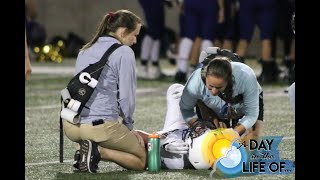
A Day in the Life
What your typical workday looks like
A typical day for an athletic trainer starts early, often before the first practice or game. You might be taping ankles, checking on athletes with lingering injuries, and preparing the training room. During practices or games, you
Myth vs Reality
Tap to reveal the truth behind common misconceptions
Skills You'll Need
Master these to excel in this career
Technical Skills
3First Aid
Ability to provide immediate medical care in emergencies.
Injury Prevention
Knowledge of strategies to prevent sports-related injuries.
Rehabilitation Techniques
Skills in helping athletes recover from injuries.
Soft Skills
3Communication
Ability to effectively communicate with athletes, coaches, and medical staff.
Empathy
Understanding and sharing the feelings of athletes.
Time Management
Efficiently managing time to balance various responsibilities.
Domain Skills
1Sports Knowledge
Understanding of different sports and their specific demands.
Tools of the Trade
Software and tools you'll work with daily
Hardware
Taping Supplies (e.g., athletic tape, cohesive bandages)
Used to support joints, prevent injuries, and provide stability during physical activity or rehabilitation.
Braces and Splints
Provide support and immobilization for injured joints or limbs during recovery.
First Aid Kit
Contains essential supplies for immediate treatment of minor injuries and emergencies.
Rehabilitation Equipment (e.g., resistance bands, exercise balls)
Used to help patients regain strength, flexibility, and function after an injury.
Computer/Tablet for documentation
Used for recording patient information, injury assessments, and tracking progress.
Software
Electronic Health Record (EHR) Software
Digital systems used to manage patient medical information, appointments, and treatment plans.
Want to build these skills?
Get a personalized learning roadmap and save careers that match your profile.
50,000+ students already signed up
Your Learning Path
Step-by-step guide to getting started
Build a Strong Science Foundation
Focus on biology, anatomy, and physiology classes in high school. These subjects are the building blocks for understanding the human body and how it functions, which is crucial for athletic training.
Earn a Bachelor's Degree
Pursue a bachelor's degree in Athletic Training, Exercise Science, or a related health field from an accredited program. This is where you'll gain in-depth knowledge of injury prevention, evaluation, and rehabilitation.
Gain Hands-On Experience
Complete supervised clinical rotations and internships. This practical experience is vital for developing real-world skills in assessing injuries, providing immediate care, and working with diverse patient populations.
Get Certified and Licensed
Pass the Board of Certification (BOC) exam to become a certified athletic trainer. After that, research and obtain any necessary state licensure requirements to begin your professional career.
Career Progression
How your career will grow over time
Entry-Level Athletic Trainer
EntryBeginner athletic trainers assist in designing and implementing injury prevention programs and provide basic care for athletes.
- Assist in developing injury prevention programs.
- Provide basic on-site injury evaluations.
- Help in creating and overseeing rehabilitation plans.
- Educate athletes about health and wellness.
Mid-Level Athletic Trainer
Mid-LevelExperienced athletic trainers take on more responsibility in managing athlete health and working with healthcare professionals.
- Design and implement comprehensive injury prevention programs.
- Conduct thorough injury evaluations on-site.
- Create and oversee detailed rehabilitation plans.
- Collaborate with doctors and physical therapists.
Senior-Level Athletic Trainer
SeniorSenior athletic trainers often take on leadership roles, mentoring junior staff and managing athletic training programs.
- Lead the development of advanced injury prevention strategies.
- Provide expert on-site injury evaluations.
- Design and manage complex rehabilitation programs.
- Mentor junior athletic trainers and collaborate with healthcare teams.
Athletic Training Director
LeadershipAthletic training directors oversee the entire athletic training program, ensuring high standards of care and compliance with regulations.
- Oversee the athletic training program and staff.
- Ensure compliance with healthcare regulations.
- Develop and implement policies for athlete health and safety.
- Manage budgets and resources for the athletic training department.
Education Paths
Bachelor's Degree
Athletic Training
Health Science
Master's Degree
Athletic Training
Health Science
Professional Degree
Board of Certification (BOC) Exam
Top Hiring Companies
Salary & Future Growth
What you can earn and where the industry is headed
Salary Progression (INR)
Future Career OutlookCurrent Market: Growing
Athletic trainers in college and university settings are currently facing challenges with retention due to factors like compensation and work-life balance. However, there's a recognition that addressing these issues can improve the situation.
The demand for athletic trainers is projected to grow, especially as awareness of the importance of sports medicine and preventative care increases. Addressing current workplace challenges could lead to a more stable and growing field.
As the focus on health, wellness, and athletic performance continues to expand, the role of athletic trainers is likely to become even more integrated into various aspects of healthcare and sports, indicating sustained demand.
Not sure if Athletic Trainer is right for you?
Talk to a Stride counsellor for personalised guidance on whether this career fits your interests, strengths, and goals.
Watch & Learn
Curated videos to help you explore


Helpful Resources
Articles and guides for deeper learning
Frequently Asked Questions
Quick answers to common questions
QWhat is the typical work environment for an Athletic Trainer?
Athletic trainers often work in sports settings like colleges, high schools, and professional sports teams, but also in clinics, hospitals, and industrial settings. Their work can involve travel and demanding schedules.
QWhat kind of education is required to become an Athletic Trainer?
A bachelor's degree in Athletic Training from an accredited program is typically required, followed by passing a certification exam. Many positions also prefer or require a master's degree.
QCan Athletic Trainers work with athletes of all ages?
Yes, athletic trainers work with athletes across the lifespan, from youth sports to collegiate and professional athletes, as well as active adults and older adults focusing on injury prevention and rehabilitation.
Explore All 1,500+ Careers
Browse our full career explorer or take an assessment to get personalised recommendations.