Genetic Counselor
Also known as: Geneticist, Genetic Specialist
Genetic counselors are healthcare professionals who help individuals and families understand and navigate genetic conditions. They assess the risk of inherited disorders, explain complex genetic information in an understandable way, and discuss testing options, including the ethical and social implications. They work closely with patients to provide support and guidance throughout the genetic testing and diagnosis process, ultimately empowering people to make informed decisions about their health and family planning.
10
Skills to Learn
5
Career Levels
5
Top Companies
2
Education Paths
Sneak Peek
Have you ever wondered why some traits seem to run in families, or what factors might influence a person's health? Genetic counselors are like medical detectives who help people understand these complex genetic puzzles.
What does a Genetic Counselor do?
Genetic counselors are healthcare professionals who help individuals and families understand and navigate genetic conditions. They assess the risk of inherited disorders, explain complex genetic information in an understandable way, and discuss testing options, including the ethical and social implications. They work closely with patients to provide support and guidance throughout the genetic testing and diagnosis process, ultimately empowering people to make informed decisions about their health and family planning.
- Salary in India
- ₹5 to ₹12 lakh a year
- Demand
- Growing
- Remote work
- Hybrid
- Industry
- Healthcare
Is This Career For You?
Discover if your personality matches this career
Your Personality Fit (RIASEC)
You enjoy gathering information, analyzing complex data, and solving problems, which is central to understanding genetic information and its implications.
You are passionate about helping and supporting others through difficult times, which is a core aspect of guiding individuals and families through genetic testing and results.
You have a strong attention to detail and a methodical approach to tasks, which is crucial for accurately interpreting genetic information and managing patient records.
This role involves some level of advocating for patient needs and coordinating care, but less emphasis on leading or persuading large groups.
The role is more focused on intellectual and interpersonal aspects than hands-on, tangible work, though it involves using medical knowledge.
While creativity isn't the primary focus, finding clear ways to explain complex genetic concepts can involve an artistic approach to communication.
You'll Love This Career If...
Like what you see? Get full access.
Save this career, compare with others, and get your personalized career plan.
50,000+ students already signed up
A Day in the Life
What your typical workday looks like
Your day might involve meeting with families to discuss their medical history and potential genetic risks, explaining the results of genetic tests, and providing support as they process this information. You could be helping an expectant couple understand the chances of a genetic condition in their baby, or working with an adult to assess their risk for a hereditary disease. A significant part of your day also involves staying up-to-date with the latest advancements in genetic research and testing technologies.
Myth vs Reality
Tap to reveal the truth behind common misconceptions
Skills You'll Need
Master these to excel in this career
Technical Skills
2Knowledge of Genetics
Deep understanding of genetic principles and inheritance patterns.
Familiarity with Genetic Testing Technologies
Understanding of various genetic testing technologies and their applications.
Soft Skills
5Communication Skills
Ability to effectively communicate complex genetic information to patients and their families.
Empathy
Ability to understand and share the feelings of another.
Problem-Solving Skills
Ability to analyze and solve complex problems.
Attention to Detail
Ability to pay close attention to details and ensure accuracy.
Ethical Judgment
Ability to make ethical decisions in complex situations.
Domain Skills
3Genetic Counseling Skills
Ability to interpret genetic tests and provide counseling to patients.
Understanding of Psychological Principles
Knowledge of psychological principles and how they apply to genetic counseling.
Counseling Techniques
Proficiency in various counseling techniques to support patients and their families.
Tools of the Trade
Software and tools you'll work with daily
Software
Genetic testing reports
Documents detailing the results of genetic tests, including identified gene variants and their potential implications.
Family history databases
Tools used to meticulously record and analyze detailed family health histories to identify patterns of disease.
Electronic Health Records (EHR) systems
Digital platforms for managing patient information, medical histories, and test results securely.
Videoconferencing platforms (e.g., Zoom, Teams)
Used for remote counseling sessions, expanding access to care through telemedicine.
Platform
Medical literature databases (e.g., PubMed, GeneReviews)
Online resources for accessing the latest research, clinical guidelines, and information on genetic conditions and testing.
Want to build these skills?
Get a personalized learning roadmap and save careers that match your profile.
50,000+ students already signed up
Your Learning Path
Step-by-step guide to getting started
Build a Strong Science Foundation
Focus on biology, chemistry, and math in high school. These subjects will give you a solid understanding of the scientific principles behind genetics.
Earn a Bachelor's Degree
Pursue an undergraduate degree in a science-related field like Biology, Genetics, or a pre-health program. This is where you'll gain more in-depth knowledge and prepare for graduate studies.
Complete a Master's in Genetic Counseling
Apply to accredited graduate programs in genetic counseling. These programs provide specialized training in genetics, counseling techniques, and ethical considerations, often including clinical rotations.
Get Certified and Licensed
After graduating, pass the certification exam (e.g., ABGC) and fulfill any state licensing requirements to practice as a genetic counselor.
Career Progression
How your career will grow over time
Genetic Counselling Assistant
EntrySupporting genetic counsellors with administrative tasks and basic patient interactions.
- Assisting with patient intake
- Managing patient records
- Scheduling appointments
Genetic Counsellor Intern
EntryGaining hands-on experience under supervision.
- Shadowing senior genetic counsellors
- Conducting patient interviews
- Assisting with genetic testing procedures
Genetic Counsellor
Mid-LevelIndependently assessing genetic risks and providing counselling.
- Conducting genetic risk assessments
- Discussing testing options with patients
- Providing emotional support to patients
Senior Genetic Counsellor
SeniorLeading genetic counselling sessions and mentoring junior staff.
- Supervising junior genetic counsellors
- Developing genetic counselling programs
- Advising on complex cases
Lead Genetic Counsellor
LeadershipOverseeing the genetic counselling department and strategic planning.
- Managing the genetic counselling team
- Implementing new counselling techniques
- Collaborating with other healthcare professionals
Education Paths
Bachelor's Degree
Genetics, Biomedical Science, Biology, Nursing
Genetics
Master's Degree
Genetic Counselling
Genetic Counselling
Top Hiring Companies
Salary & Future Growth
What you can earn and where the industry is headed
Salary Progression (INR)
Future Career OutlookCurrent Market: Growing
The job outlook for genetic counselors is very positive, with a projected growth significantly faster than the average for all occupations. This indicates a strong and increasing demand for these professionals.
The demand for genetic counselors is expected to continue growing substantially over the next decade and beyond. Advances in genetic medicine and a greater understanding of hereditary conditions will likely drive this trend.
The long-term outlook for genetic counselors remains robust. As genetic technologies become more integrated into healthcare, the need for experts who can interpret this information and guide patients will persist and likely expand.
Not sure if Genetic Counselor is right for you?
Talk to a Stride counsellor for personalised guidance on whether this career fits your interests, strengths, and goals.
Watch & Learn
Curated videos to help you explore


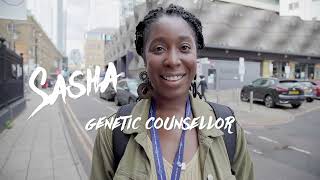
Helpful Resources
Articles and guides for deeper learning
Frequently Asked Questions
Quick answers to common questions
QWhat is the typical work environment for a genetic counselor?
Genetic counselors often work in clinics, hospitals, or private practices. Some roles may involve research or academic settings. While direct patient interaction is common, some aspects of consultation and information sharing can be done remotely, making it a hybrid environment.
QWhat kind of education is required to become a genetic counselor?
Becoming a genetic counselor typically requires a master's degree in genetic counseling from an accredited program. This is usually followed by certification and licensure, depending on the state or country.
QWhat are the main responsibilities of a genetic counselor?
Genetic counselors assess risks for inherited conditions, interpret genetic test results, explain complex genetic information to individuals and families, and provide support for decision-making. They also educate other healthcare providers.
Explore All 1,500+ Careers
Browse our full career explorer or take an assessment to get personalised recommendations.