Audiologist
Also known as: audiology, hearing specialist
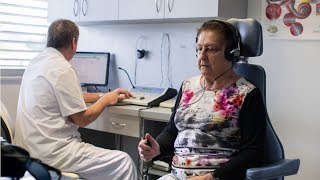
As an audiologist, you'll be a healthcare detective for hearing and balance! You'll use special tools to test people's hearing and figure out why they might be having trouble. Then, you'll create personalized plans to help them hear better, whether that's through special devices, listening strategies, or simply educating them on how to protect their hearing. You're essentially a sound and balance expert dedicated to improving people's quality of life by helping them connect with the world around them through better hearing and balance.
8
Skills to Learn
5
Career Levels
2
Top Companies
3
Education Paths
Sneak Peek
Do you love helping people and have a passion for science, especially the inner workings of the human body? Have you ever wondered how we hear and process sound, or how technology can help people connect with the world around them?
What does an Audiologist do?
An audiologist is a healthcare professional who diagnoses, treats, and manages hearing and balance disorders. They work with people of all ages, from infants to the elderly.
- Salary in India
- ₹5 to ₹12 lakh a year
- Demand
- Growing
- Remote work
- Hybrid
- Industry
- Healthcare
Is This Career For You?
Discover if your personality matches this career
Your Personality Fit (RIASEC)
You enjoy in-depth research and analysis to understand complex problems.
You are driven to help others and find satisfaction in improving their quality of life.
You are organized and detail-oriented, which is crucial for record-keeping and diagnostics.
You appreciate hands-on tasks and working with tangible tools and equipment.
There are opportunities to manage your own practice or lead projects.
While not the primary focus, creative problem-solving can be part of the role.
You'll Love This Career If...
Like what you see? Get full access.
Save this career, compare with others, and get your personalized career plan.
50,000+ students already signed up
A Day in the Life
What your typical workday looks like
Your day as an audiologist often begins with preparing for your first patient. You might review their case history and the tests you plan to administer. Throughout the day, you
Myth vs Reality
Tap to reveal the truth behind common misconceptions
Skills You'll Need
Master these to excel in this career
Technical Skills
3Audiometry
Skill in conducting hearing tests using various devices.
Hearing Aid Fitting
Skill in selecting, fitting, and programming hearing aids.
Research Skills
Skill in conducting and analyzing research studies.
Soft Skills
4Communication
Ability to explain complex medical information clearly and compassionately.
Critical Thinking
Skill in analyzing data and making informed decisions.
Patient Care
Ability to provide empathetic and personalized care to patients.
Teamwork
Ability to work collaboratively with other healthcare professionals.
Domain Skills
1Knowledge of Auditory System
Understanding of the anatomy and physiology of the auditory system.
Tools of the Trade
Software and tools you'll work with daily
Hardware
Audiometer
A machine used to measure hearing ability at different tones and volumes.
Tympanometer
A device used to test the function of the middle ear.
Hearing Aid Analyzer
Equipment to check if hearing aids are working correctly.
Impedance Bridges
Tools to measure electrical resistance, used in diagnosing ear conditions.
Software
Electronic Health Records (EHR) Software
Systems used to manage patient records, appointments, and treatment plans.
Want to build these skills?
Get a personalized learning roadmap and save careers that match your profile.
50,000+ students already signed up
Your Learning Path
Step-by-step guide to getting started
Understand the Basics of the Human Body
Start with foundational science courses like biology and anatomy. This will help you understand how the ear and the body work, which is crucial for diagnosing and treating hearing and balance issues.
Explore Communication Sciences
Take courses in subjects like speech and hearing science, psychology, and basic physics. These areas provide insight into sound, communication, and human behavior, all vital for audiology.
Dive into Doctoral Studies
Complete a Doctor of Audiology (AuD) program. This intensive graduate program covers specialized coursework and extensive clinical practice, preparing you for real-world patient care.
Gain Licensure and Experience
Pass the Praxis Exam in Audiology and obtain your state license. Continue with professional development and potentially pursue certifications to enhance your expertise and career opportunities.
Career Progression
How your career will grow over time
Audiology Assistant
EntrySupports audiologists in conducting hearing tests and managing patient records.
- Assisting in hearing assessments
- Maintaining patient records
- Cleaning and maintaining hearing aids
Audiologist Intern
EntryUnder supervision, conducts hearing tests and helps fit hearing aids.
- Conducting preliminary hearing tests
- Assisting in fitting hearing aids
- Observing patient consultations
Licensed Audiologist
Mid-LevelDiagnoses and treats hearing and balance disorders independently.
- Conducting comprehensive hearing assessments
- Diagnosing hearing and balance disorders
- Fitting and programming hearing aids
Senior Audiologist
SeniorLeads a team of audiologists and contributes to research and development.
- Supervising junior audiologists
- Leading research projects
- Developing new treatment protocols
Audiology Department Head
LeadershipManages the audiology department and sets strategic goals.
- Managing department operations
- Setting strategic goals
- Overseeing budget and resource allocation
Education Paths
Bachelor's Degree
B.Sc in Audiology
Audiology
Master's Degree
M.Sc in Audiology
Audiology
Doctoral Degree
Au.D.
Audiology
Top Hiring Companies
Salary & Future Growth
What you can earn and where the industry is headed
Salary Progression (INR)
Future Career OutlookCurrent Market: Growing
Audiologists are in demand as the population ages and awareness of hearing health grows. Technological advancements in hearing aids and cochlear implants are also driving opportunities.
The demand for audiologists is expected to continue growing steadily due to an aging population, increased recognition of hearing health's importance, and ongoing innovation in audiological technologies.
The long-term outlook for audiologists remains strong, as hearing health will continue to be a significant concern for an aging global population. Advances in diagnostics, treatments, and assistive listening devices will further solidify the role of audiologists.
Not sure if Audiologist is right for you?
Talk to a Stride counsellor for personalised guidance on whether this career fits your interests, strengths, and goals.
Watch & Learn
Curated videos to help you explore



Helpful Resources
Articles and guides for deeper learning
Frequently Asked Questions
Quick answers to common questions
QWhat kind of technology do audiologists use?
Audiologists use a variety of diagnostic equipment, such as audiometers, impedance meters, and otoacoustic emission analyzers. They also work with hearing aids, cochlear implants, and other assistive listening devices.
QWhat is the difference between an audiologist and a hearing aid specialist?
An audiologist has a doctoral degree (Au.D.) and can diagnose and treat a wider range of conditions, including balance disorders, and can prescribe and fit hearing aids. A hearing aid specialist typically has less formal education and is primarily focused on fitting and dispensing hearing aids.
QCan audiologists work remotely?
While direct patient care is typically in-person, some aspects of audiology, such as device programming, patient education, and tele-audiology consultations, can be done remotely or in a hybrid model.
Explore All 1,500+ Careers
Browse our full career explorer or take an assessment to get personalised recommendations.