Endodontist
Also known as: Root Canal Specialist
An Endodontist is a dental specialist who focuses on the internal health of a tooth, specifically the pulp and root canals. They are experts in diagnosing and treating tooth pain, infections, and injuries that affect the pulp. By performing procedures like root canal therapy, endodontists work to save natural teeth that might otherwise need to be extracted, preserving a patient's smile and chewing function.
6
Skills to Learn
5
Career Levels
2
Top Companies
2
Education Paths
Sneak Peek
Ever wondered what happens when a toothache just won't quit? As an Endodontist, you'd be the hero who saves the day, diving deep into the tooth to solve mysteries and bring relief!
What does an Endodontist do?
An Endodontist is a dental specialist who focuses on the internal health of a tooth, specifically the pulp and root canals. They are experts in diagnosing and treating tooth pain, infections, and injuries that affect the pulp. By performing procedures like root canal therapy, endodontists work to save natural teeth that might otherwise need to be extracted, preserving a patient's smile and chewing function.
- Salary in India
- ₹8 to ₹20 lakh a year
- Demand
- Stable
- Remote work
- Location-Bound
- Industry
- Healthcare
Is This Career For You?
Discover if your personality matches this career
Your Personality Fit (RIASEC)
You enjoy diving deep into complex problems, analyzing details, and finding precise solutions.
You like working with your hands and using specialized tools to perform intricate tasks.
You have a knack for detailed, meticulous work and appreciate the precision involved in delicate procedures.
You are motivated by helping others and find satisfaction in alleviating pain and improving health outcomes.
You appreciate following established protocols and working within a structured, detail-oriented environment.
You are comfortable taking charge and making critical decisions during procedures.
You'll Love This Career If...
Like what you see? Get full access.
Save this career, compare with others, and get your personalized career plan.
50,000+ students already signed up
A Day in the Life
What your typical workday looks like
Your day as an Endodontist is a mix of intricate problem-solving and direct patient care. You might start your morning reviewing patient charts and preparing for complex root canal treatments, perhaps using advanced imaging to understand the unique anatomy of a tooth's root system. Throughout the day, you'll meticulously clean and seal these tiny canals, focusing on providing comfort and relief to patients experiencing dental pain. You'll likely use specialized instruments and work with dental assistants, collaborating to ensure each procedure is successful and the patient leaves feeling better. Evenings might involve follow-up calls or continuing education to stay updated on the latest techniques in saving teeth.
Myth vs Reality
Tap to reveal the truth behind common misconceptions
Skills You'll Need
Master these to excel in this career
Technical Skills
2Root Canal Expertise
Specialized knowledge and skills in performing root canal treatments.
Dental Software Proficiency
Ability to use dental practice management software effectively.
Soft Skills
3Communication Skills
Strong ability to communicate with patients and staff.
Problem-Solving
Skill in diagnosing and treating dental issues effectively.
Team Collaboration
Ability to work well with other dental professionals.
Domain Skills
1Dentist License
Official certification allowing the practice of dentistry.
Tools of the Trade
Software and tools you'll work with daily
Hardware
Files and Reamers
Slender, flexible instruments used to clean and shape the inside of the tooth's root canals.
Rotary Files
Powered instruments made of flexible materials that efficiently clean and shape root canals.
Hand Files
Manually operated instruments that offer greater tactile feedback for precise control in shaping canals.
Gutta-Percha
A biocompatible, rubber-like material used to fill the cleaned root canal system.
Digital Radiographs / Cone Beam CT Scans
Advanced imaging technologies that provide detailed 3D views of the teeth and surrounding structures for accurate diagnosis and treatment planning.
Software
Irrigation Solutions (e.g., Sodium Hypochlorite, EDTA)
Specialized liquids used to thoroughly clean and disinfect the microscopic canals within the tooth.
Sealers (e.g., Calcium Silicate-based)
Materials used to fill any tiny gaps between the gutta-percha and the canal walls, ensuring a complete seal.
Platform
GentleWave® Machine
An advanced system that uses fluid dynamics to clean the root canal system, flushing out contaminants.
Want to build these skills?
Get a personalized learning roadmap and save careers that match your profile.
50,000+ students already signed up
Your Learning Path
Step-by-step guide to getting started
Explore Dentistry Basics
Start by learning about general dentistry. This includes understanding basic oral health, tooth anatomy, and common dental problems. You could shadow a general dentist or take introductory biology and health science classes.
Excel in Science and Math
Focus on excelling in subjects like biology, chemistry, and physics throughout high school and college. These are crucial for understanding complex biological systems and for dental school admission.
Complete Dental School and Specialization
After earning a bachelor's degree, you'll attend dental school for four years. Upon graduation, you'll need to complete an additional 2-3 years of specialized residency training in Endodontics.
Practice and Continuous Learning
Begin your career as an Endodontist, treating patients. Stay updated with the latest research, technologies, and techniques through continuing education courses and professional development.
Career Progression
How your career will grow over time
Dental Intern
EntryAssisting in routine dental procedures and learning the basics of dentistry.
- Assisting dentists during procedures
- Preparing treatment rooms
- Sterilizing instruments
- Taking patient histories
General Dentist
Mid-LevelPracticing general dentistry with a focus on patient care and treatment.
- Diagnosing dental conditions
- Performing routine dental procedures
- Developing treatment plans
- Educating patients on oral hygiene
Endodontic Resident
Mid-LevelTraining specifically in endodontics under supervision.
- Performing root canal treatments
- Learning advanced endodontic techniques
- Participating in clinical research
- Attending seminars and workshops
Endodontist
SeniorSpecializing in endodontics and performing complex root canal treatments.
- Diagnosing and treating dental pulp diseases
- Performing root canal therapy
- Using advanced endodontic techniques
- Consulting with other dental specialists
Senior Endodontist
LeadershipLeading a team of endodontists and contributing to research and education.
- Supervising junior endodontists
- Conducting research in endodontics
- Teaching and mentoring students
- Participating in professional organizations
Education Paths
Bachelor's Degree
BDS
Dentistry
Master's Degree
MDS
Conservative Dentistry & Endodontics
Top Hiring Companies
Salary & Future Growth
What you can earn and where the industry is headed
Salary Progression (INR)
Future Career OutlookCurrent Market: Stable
Endodontists focus on the inner workings of teeth, specifically the pulp, nerves, and blood supply. They perform root canal therapies to save teeth that would otherwise need to be extracted. The demand for endodontists is expected to remain steady as people increasingly prioritize saving their natural teeth.
As dental technology advances, endodontists will likely see increased efficiency in their procedures. The aging population may also lead to a greater need for specialized dental care, including endodontic treatments. The emphasis on preserving natural teeth rather than extraction will continue to drive demand.
The long-term outlook for endodontists appears stable, though it will be influenced by innovations in regenerative dentistry and preventative care. While root canals are a common procedure, ongoing research into methods that could regenerate tooth pulp or enhance preventative measures might eventually shape the field. However, the fundamental need to address complex internal tooth issues suggests a continued, albeit potentially evolving, role.
Not sure if Endodontist is right for you?
Talk to a Stride counsellor for personalised guidance on whether this career fits your interests, strengths, and goals.
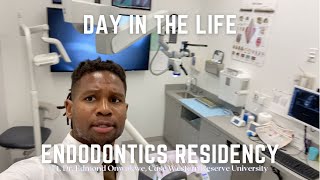
Watch & Learn
Curated videos to help you explore



Helpful Resources
Articles and guides for deeper learning
Frequently Asked Questions
Quick answers to common questions
QWhat is the difference between a general dentist and an endodontist?
A general dentist provides a wide range of dental care, while an endodontist specializes in treating the inside of the tooth, including performing root canal therapy.
QIs endodontic treatment painful?
Modern endodontic treatments are performed with anesthesia, making them generally comfortable. Many patients report experiencing less pain during a root canal than they do from the initial toothache.
QHow long does endodontic training take?
After dental school, endodontists typically complete an additional 2-3 years of specialized residency training.
Explore All 1,500+ Careers
Browse our full career explorer or take an assessment to get personalised recommendations.