Clinical Pharmacist
Also known as: Clinical Pharmacy Specialist, Healthcare Pharmacist
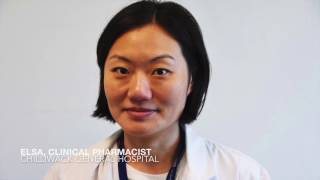
A Clinical Pharmacist is a healthcare professional who works directly with patients and doctors to ensure medications are used safely and effectively. They review patient histories, monitor how patients respond to treatments, and provide expert advice on drug therapy. Their main goal is to optimize patient health outcomes by preventing medication-related problems, managing chronic diseases, and ensuring that every patient receives the best possible care.
10
Skills to Learn
5
Career Levels
6
Top Companies
3
Education Paths
Sneak Peek
Have you ever wondered who makes sure the medicines you or your loved ones take are safe and effective? Clinical pharmacists are the healthcare superheroes who work behind the scenes, ensuring that medications are used correctly to help patients get better.
What does a Clinical Pharmacist do?
A Clinical Pharmacist is a healthcare professional who works directly with patients and doctors to ensure medications are used safely and effectively. They review patient histories, monitor how patients respond to treatments, and provide expert advice on drug therapy. Their main goal is to optimize patient health outcomes by preventing medication-related problems, managing chronic diseases, and ensuring that every patient receives the best possible care.
- Demand
- Growing
- Remote work
- Hybrid
- Industry
- Healthcare
Is This Career For You?
Discover if your personality matches this career
Your Personality Fit (RIASEC)
You enjoy scientific discovery and problem-solving, which is key to understanding complex medication interactions.
You like helping people, and clinical pharmacists directly impact patient well-being and recovery.
You are organized and detail-oriented, essential for managing patient records and medication regimens accurately.
There are opportunities to lead and influence, but the core of the role is in direct patient care and scientific application.
This role involves some hands-on tasks, but is more focused on knowledge and patient interaction than physical labor.
While not a primary focus, creativity can be helpful in finding unique solutions for patient care.
You'll Love This Career If...
Like what you see? Get full access.
Save this career, compare with others, and get your personalized career plan.
50,000+ students already signed up
A Day in the Life
What your typical workday looks like
Imagine a day where you’re constantly thinking about how to best help patients manage their health through medication. You might start your day by reviewing patient charts in a hospital, discussing treatment plans with doctors, and then heading to a clinic to talk with patients about their prescriptions. You’ll be explaining how to take their medicines, potential side effects to watch out for, and answering any questions they have. Later, you might be involved in a team meeting to strategize the best medication approach for a complex case or researching the latest studies to stay updated on drug advancements. Every interaction is a chance to make a real difference in someone’s health journey.
Myth vs Reality
Tap to reveal the truth behind common misconceptions
Skills You'll Need
Master these to excel in this career
Technical Skills
3Pharmacokinetics
Understanding of how drugs move through the body.
Drug Safety Protocols
Knowledge of protocols to ensure safe medication practices.
Medical Writing
Skill in writing scientific documents and reports.
Soft Skills
4Patient Counseling
Skill in guiding patients on medication use and therapy compliance.
Communication Skills
Ability to communicate effectively with patients and healthcare teams.
Analytical Thinking
Ability to analyze complex information and make logical conclusions.
Teamwork
Ability to work effectively in a team environment.
Domain Skills
3Clinical Decision-Making
Ability to make informed decisions about drug therapies.
Regulatory Knowledge
Understanding of laws and regulations governing pharmacy practice.
Ethical Standards
Understanding of ethical principles in pharmacy practice.
Tools of the Trade
Software and tools you'll work with daily
Software
Electronic Health Records (EHR) Systems
Digital versions of patients' paper charts, used to access and manage patient medical history, diagnoses, medications, and treatment plans.
Computerized Physician Order Entry (CPOE) Systems
Software used by healthcare providers to electronically enter patient orders for medications, lab tests, and other services, reducing errors.
Pharmacy Information Systems (PIS)
Specialized software for managing prescriptions, patient profiles, drug interactions, inventory, and billing within a pharmacy setting.
Clinical Decision Support Systems (CDSS)
Tools that provide clinicians with patient-specific assessments and recommendations to enhance healthcare.
Communication Platforms (e.g., secure messaging apps)
Tools for healthcare professionals to communicate securely and efficiently about patient care.
Drug Interaction Checkers
Software that identifies potential harmful interactions between different medications a patient is taking.
Hospital Information Systems (HIS)
Broader systems used by hospitals to manage all aspects of operations, including patient care, administration, and finance.
Platform
Medical Databases (e.g., PubMed, Lexicomp)
Online resources used to search for and retrieve the latest medical research, drug information, and clinical guidelines.
Want to build these skills?
Get a personalized learning roadmap and save careers that match your profile.
50,000+ students already signed up
Your Learning Path
Step-by-step guide to getting started
Build a Strong Science Foundation
Focus on your science classes like Biology, Chemistry, and Physics in high school. These subjects will give you the basic understanding of how the body works and how medicines affect it.
Earn a Pharmacy Degree
Pursue a Doctor of Pharmacy (Pharm.D.) degree. This typically involves 6 years of study (5 years academic + 1 year internship) and covers everything from drug science to patient care.
Complete Your Internship/Residency
Gain practical experience through a supervised internship or residency program. This is where you'll apply your academic knowledge in real-world healthcare settings, often in hospitals or clinics.
Get Licensed and Specialize
Pass your national licensing exams to become a registered pharmacist. You can then pursue specialized training or certifications in areas like critical care, oncology, or infectious diseases to become a clinical pharmacist.
Career Progression
How your career will grow over time
Pharmacy Intern
EntryAssists pharmacists and performs basic pharmacy tasks under supervision.
- Help pharmacists with patient counseling
- Assist in inventory management
- Participate in clinical rotations to gain experience
Entry-Level Clinical Pharmacist
EntryProvides direct patient care, manages medication therapy, and collaborates with healthcare teams.
- Review patient medication profiles
- Provide patient education on medication use
- Participate in daily rounds with healthcare teams
Mid-Level Clinical Pharmacist
Mid-LevelTakes on more complex patient cases and assumes leadership roles in medication management.
- Develop individualized treatment plans
- Monitor patient responses to medications
- Lead medication reconciliation efforts
Senior Clinical Pharmacist
SeniorProvides advanced clinical services, mentors junior staff, and contributes to policy development.
- Conduct clinical research
- Mentor pharmacy students and residents
- Participate in hospital committees
Clinical Pharmacy Director
LeadershipLeads the clinical pharmacy department, oversees strategic planning, and ensures high-quality patient care.
- Develop and implement departmental policies
- Manage departmental budget and resources
- Represent the department in hospital leadership meetings
Education Paths
Doctoral Degree
Pharm.D.
Pharmacy
Post-Secondary Certificate/Diploma
Bachelor's Degree
B.Pharm
Pharmacy
Top Hiring Companies
Salary & Future Growth
What you can earn and where the industry is headed
Salary Progression (INR)
Future Career OutlookCurrent Market: Growing
The demand for clinical pharmacists is growing as healthcare systems increasingly recognize their vital role in patient care, medication management, and optimizing treatment outcomes. They are becoming integral members of healthcare teams, collaborating with physicians and other providers.
The long-term outlook for clinical pharmacists remains very strong, driven by an aging population, the rise of chronic diseases, and advancements in pharmaceuticals. There's a continuous need for experts who can navigate complex medication regimens and ensure patient safety.
Technological advancements, an aging global population, and the increasing complexity of medical treatments suggest a sustained and high demand for clinical pharmacists for the foreseeable future. Their role in medication therapy management and patient education will likely expand.
Not sure if Clinical Pharmacist is right for you?
Talk to a Stride counsellor for personalised guidance on whether this career fits your interests, strengths, and goals.
Watch & Learn
Curated videos to help you explore



Helpful Resources
Articles and guides for deeper learning
Frequently Asked Questions
Quick answers to common questions
QWhat is the typical work environment for a clinical pharmacist?
Clinical pharmacists often work in hospitals, clinics, long-term care facilities, and sometimes in specialized outpatient settings. Their work involves direct patient interaction, collaboration with healthcare teams, and medication management.
QWhat are the main responsibilities of a clinical pharmacist?
Key responsibilities include reviewing patient charts, developing medication plans, advising physicians on drug therapy, educating patients about their medications, and monitoring for adverse drug reactions. They ensure safe and effective use of medications.
QWhat is the difference between a clinical pharmacist and a retail pharmacist?
While both are pharmacists, retail pharmacists primarily dispense medications and counsel patients on over-the-counter and prescription drugs in a community pharmacy setting. Clinical pharmacists focus more on direct patient care within a healthcare team, often in hospitals or clinics, managing complex medication therapies.
Explore All 1,500+ Careers
Browse our full career explorer or take an assessment to get personalised recommendations.