Cook
Also known as: Chef, Line Cook, Kitchen Staff
As a cook, you are the heart of the kitchen, transforming raw ingredients into culinary creations. You prepare, cook, and plate a variety of dishes, ensuring every meal is both flavorful and visually appealing. From following recipes precisely to experimenting with new flavors, you play a crucial role in delivering memorable dining experiences.
5
Skills to Learn
5
Career Levels
5
Top Companies
3
Education Paths
Sneak Peek
Do you love transforming simple ingredients into delicious meals that bring smiles to people's faces? Have you ever wondered if your passion for cooking could become a rewarding career?
What does a Cook do?
You are the heart of the kitchen, transforming raw ingredients into culinary creations. You prepare, cook, and plate a variety of dishes, ensuring every meal is both flavorful and visually appealing. From following recipes precisely to experimenting with new flavors, you play a crucial role in delivering memorable dining experiences.
- Salary in India
- ₹2 to ₹10 lakh a year
- Demand
- Stable
- Remote work
- Location-Bound
- Industry
- Food & Beverage
Is This Career For You?
Discover if your personality matches this career
Your Personality Fit (RIASEC)
Enjoy hands-on work and practical tasks, like preparing and cooking food.
Creative expression through plating and developing new dishes.
Curious about how things work, like experimenting with recipes and understanding food science.
Enjoy working with others in a team environment and pleasing customers with food.
Benefit from organized processes and following recipes accurately.
May enjoy taking on leadership roles or managing kitchen operations.
You'll Love This Career If...
Like what you see? Get full access.
Save this career, compare with others, and get your personalized career plan.
50,000+ students already signed up
A Day in the Life
What your typical workday looks like
Imagine your day starting with the vibrant energy of a kitchen – the sizzle of ingredients, the aroma of spices, and the organized chaos of culinary creation. You might begin by prepping ingredients, carefully chopping vegetables or measuring out spices. Throughout the service, you'll expertly cook dishes according to established recipes or your own creative flair, coordinating with fellow kitchen staff to ensure timely and high-quality food delivery. Your day could involve everything from searing a steak to plating a delicate dessert, all while maintaining a clean and efficient workspace.
Myth vs Reality
Tap to reveal the truth behind common misconceptions
Skills You'll Need
Master these to excel in this career
Technical Skills
2Organization
The ability to handle multiple tasks and responsibilities efficiently.
Multitasking
The ability to manage and execute multiple tasks simultaneously.
Soft Skills
2Flexibility
The ability to adapt to changing schedules and demands.
Customer Service
Providing excellent service to customers and addressing their needs.
Domain Skills
1Knowledge of Culinary Techniques
In-depth understanding of various cooking methods and techniques.
Tools of the Trade
Software and tools you'll work with daily
Hardware
Chef's Knife
A versatile knife for chopping, slicing, and dicing ingredients.
Cutting Board
A stable surface for food preparation, protecting countertops and knives.
Peeler
Used for efficiently removing the skin from fruits and vegetables.
Thermometer
Ensures food is cooked to safe and desired temperatures.
Measuring Cups and Spoons
For accurately measuring ingredients in recipes.
Mixing Bowls
For combining and preparing ingredients.
Whisk
For blending ingredients smoothly or incorporating air.
Spatula
Used for mixing, spreading, and lifting ingredients.
Pot and Pans
Cookware for various methods like boiling, frying, and sautéing.
Software
Notebook/App
To record recipes, notes, and new techniques learned.
Want to build these skills?
Get a personalized learning roadmap and save careers that match your profile.
50,000+ students already signed up
Your Learning Path
Step-by-step guide to getting started
Kitchen Basics
Start by learning fundamental cooking techniques like boiling, simmering, and sautéing. Understand basic knife skills and food safety.
Recipe Exploration
Practice following simple recipes for common dishes. Focus on understanding ingredient interactions and flavor combinations.
Tool Mastery
Get comfortable using essential kitchen tools. Learn their proper use, care, and how they help achieve different cooking results.
Creative Application
Begin experimenting with recipes, making small adjustments, and trying new flavor pairings. Learn to plate food attractively.
Career Progression
How your career will grow over time
Prep Cook
EntryA prep cook prepares ingredients for cooking by chopping vegetables, measuring spices, and making sauces.
- Chopping vegetables
- Measuring spices
- Making sauces
Line Cook
EntryA line cook works specific stations on the kitchen line, cooking and assembling dishes according to the chef’s standards during service.
- Cooking dishes
- Assembling dishes
- Following chef’s standards
Sous Chef
Mid-LevelThe sous chef shares a lot of the same responsibilities as the head chef, however they are much more involved in the day-to-day operations in the kitchen.
- Managing kitchen operations
- Supervising staff
- Assisting head chef
Chef de Cuisine
SeniorThe chef de cuisine manages the overall culinary direction, coordinating menu creation, kitchen organization, and staff supervision.
- Creating menus
- Organizing kitchen
- Supervising staff
Executive Chef
LeadershipThe executive chef oversees all kitchen operations, from menu planning and budgeting to managing staff and ensuring quality standards.
- Planning menus
- Budgeting
- Managing staff
Education Paths
No Formal Education
Post-Secondary Certificate/Diploma
Diploma in Culinary Arts
Culinary Arts
Bachelor's Degree
Bachelor of Culinary Arts
Culinary Arts
Top Hiring Companies
Salary & Future Growth
What you can earn and where the industry is headed
Salary Progression (INR)
Future Career OutlookCurrent Market: Stable
The demand for cooks remains stable, with opportunities available in various food service establishments. However, growth might be limited by automation in some areas and intense competition.
The job outlook for cooks is expected to be stable. While some routine tasks might be automated, the need for skilled individuals in diverse culinary settings will persist. Opportunities may grow in specialized areas like niche cuisine or catering.
The long-term outlook for cooks is stable, with a continuous need for culinary professionals. The industry will likely see a blend of traditional cooking roles and opportunities in food technology and specialized dietary services.
Not sure if Cook is right for you?
Talk to a Stride counsellor for personalised guidance on whether this career fits your interests, strengths, and goals.
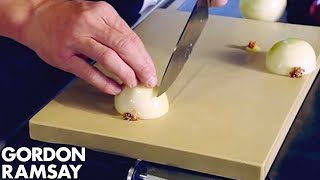
Watch & Learn
Curated videos to help you explore




Helpful Resources
Articles and guides for deeper learning
Frequently Asked Questions
Quick answers to common questions
QWhat are the typical work hours for a cook?
Cooks often work irregular hours, including evenings, weekends, and holidays, as food service operates outside typical business hours.
QWhat are the physical demands of being a cook?
The job requires standing for long periods, working in hot environments, and often involves lifting and carrying. It can be physically demanding.
QWhat are the differences between a cook and a chef?
A chef typically has more formal training, manages kitchen staff, and oversees menu creation and kitchen operations. A cook focuses more on preparing food according to recipes and standards set by a chef.
Explore All 1,500+ Careers
Browse our full career explorer or take an assessment to get personalised recommendations.