Culinary Associate
Also known as: Kitchen Assistant, Commis Chef, Prep Cook
A Culinary Associate is a versatile role within the food industry, often involving assisting chefs and kitchen staff in preparing and presenting food. This can include tasks like prepping ingredients, cooking dishes according to recipes, maintaining kitchen hygiene, managing inventory, and sometimes even contributing to menu creation. It's a foundational role for anyone looking to build a career in culinary arts, hospitality, or food service, offering a hands-on learning experience in a dynamic environment.
10
Skills to Learn
4
Career Levels
5
Top Companies
2
Education Paths
Sneak Peek
Do you love experimenting with flavors and creating delicious dishes that bring people joy? Imagine a career where your passion for food can lead to exciting opportunities in kitchens and beyond!
What does a Culinary Associate do?
A Culinary Associate is a versatile role within the food industry, often involving assisting chefs and kitchen staff in preparing and presenting food. This can include tasks like prepping ingredients, cooking dishes according to recipes, maintaining kitchen hygiene, managing inventory, and sometimes even contributing to menu creation.
- Salary in India
- ₹2.4 to ₹9.5 lakh a year
- Demand
- Growing
- Remote work
- Location-Bound
- Industry
- Hospitality and Food Service
Is This Career For You?
Discover if your personality matches this career
Your Personality Fit (RIASEC)
You enjoy hands-on work and practical problem-solving, like preparing ingredients and using kitchen tools.
You have a creative flair and enjoy presenting food beautifully, experimenting with dishes, and appreciating culinary aesthetics.
You have a curious mind and like to understand the 'why' behind techniques, exploring flavors and food science.
You appreciate order and precision, following procedures carefully for consistent, high-quality results.
You work well with others in a team environment and enjoy collaborating to create a great dining experience.
You are motivated by challenges and enjoy taking initiative, potentially leading kitchen tasks or projects.
You'll Love This Career If...
Like what you see? Get full access.
Save this career, compare with others, and get your personalized career plan.
50,000+ students already signed up
A Day in the Life
What your typical workday looks like
Your day might start with prepping fresh ingredients for the lunch rush, followed by assisting a chef in cooking various dishes, ensuring everything is seasoned perfectly and cooked to the right temperature. You'll be responsible for keeping your workstation clean and organized, adhering to strict food safety standards. In the afternoon, you might help with inventory checks, restock supplies, and prepare for dinner service, potentially plating dishes as they are ordered. The day often ends with cleaning and ensuring the kitchen is ready for the next day.
Myth vs Reality
Tap to reveal the truth behind common misconceptions
Skills You'll Need
Master these to excel in this career
Technical Skills
3Culinary Techniques
Proficiency in cooking methods and kitchen operations.
Food Safety and Hygiene
Understanding of health and safety regulations in the kitchen.
Inventory Management
Skills in managing kitchen supplies and inventory.
Soft Skills
4Customer Service
Skills in providing excellent service to customers.
Team Collaboration
Ability to work effectively with other kitchen staff.
Time Management
Skill in managing time efficiently during busy kitchen periods.
Communication Skills
Ability to communicate effectively with team members and customers.
Domain Skills
3Menu Planning
Ability to design menus that meet customer preferences and dietary needs.
Creativity in Cooking
Ability to innovate and create new dishes.
Cost Control
Understanding of budgeting and cost management in the kitchen.
Tools of the Trade
Software and tools you'll work with daily
Hardware
Chef's Knife
A versatile knife used for chopping, slicing, and dicing various ingredients.
Turning Knife
A small, curved knife used for expertly shaping vegetables like artichokes.
Rolling Pin
Used to flatten and shape dough for pastries and tarts.
Damp Cloth/Sea Cloth
Used to keep ingredients like chives stable while chopping for precision.
Omelette Pan
A specialized pan for cooking perfect omelettes.
Kitchen Uniform (Chef's Whites)
Professional attire that signifies readiness and attention to detail.
Want to build these skills?
Get a personalized learning roadmap and save careers that match your profile.
50,000+ students already signed up
Your Learning Path
Step-by-step guide to getting started
Master the Basics
Start with fundamental cooking techniques like knife skills (chopping, dicing, mincing), basic sauce making, and understanding different cooking methods (sautéing, roasting, braising). Practice preparing simple ingredients perfectly, like turning an artichoke or cleanly chopping herbs.
Learn Kitchen Operations
Get hands-on experience in a professional kitchen, even in an entry-level role like a prep cook or dishwasher. Learn about food safety standards, kitchen organization (mise en place), and teamwork. Understand how a professional kitchen runs day-to-day.
Specialize and Refine
Explore different culinary areas that interest you, such as pastry, specific cuisines, or advanced cooking techniques. Consider formal education like an associate's degree or certification program to deepen your knowledge and gain a broader skill set.
Gain Experience and Grow
Work in various culinary settings to build your experience. Take on more responsibility, perhaps managing a station or contributing to menu development. Continuously seek feedback and learn from experienced chefs to hone your craft.
Career Progression
How your career will grow over time
Culinary Associate
EntryA Culinary Associate is typically an entry-level position where individuals assist chefs and kitchen staff with various tasks.
- Assisting in food preparation
- Maintaining kitchen cleanliness
- Helping with menu planning
- Learning basic culinary techniques
Line Cook
Mid-LevelA Line Cook is responsible for preparing food items according to recipes and cooking techniques.
- Cooking food items to order
- Ensuring food quality and presentation
- Maintaining kitchen hygiene
- Collaborating with other kitchen staff
Sous Chef
SeniorA Sous Chef is the second-in-command in the kitchen, overseeing kitchen operations and assisting the Executive Chef.
- Supervising kitchen staff
- Managing kitchen operations
- Ensuring food quality and safety
- Assisting in menu development
Executive Chef
LeadershipAn Executive Chef leads the kitchen team, designs menus, manages inventory, and ensures overall kitchen quality.
- Leading kitchen team
- Designing menus
- Managing inventory
- Ensuring kitchen quality and safety
Education Paths
Post-Secondary Certificate/Diploma
Diploma in Culinary Arts
Culinary Arts
Bachelor's Degree
Bachelor of Arts in Culinary Arts
Culinary Arts
Top Hiring Companies
Salary & Future Growth
What you can earn and where the industry is headed
Salary Progression (INR)
Future Career OutlookCurrent Market: Growing
The culinary field is experiencing a renaissance, with a growing emphasis on health-conscious eating, global flavors, and innovative culinary techniques. This trend is driving demand for skilled professionals who can adapt to evolving consumer preferences and create exciting, nutritious dishes. The rise of plant-based options, anti-inflammatory diets, and a focus on gut health are shaping menus and creating new opportunities.
The culinary industry is expected to continue its growth trajectory, fueled by increasing consumer interest in diverse cuisines, healthy eating, and unique dining experiences. Technology adoption in kitchens, a focus on sustainability, and the demand for personalized culinary offerings will shape the medium to long-term outlook. Opportunities will likely expand in specialized culinary fields, food innovation, and sustainable food practices.
The long-term future of the culinary industry appears robust, with continuous innovation in food technology, sustainable sourcing, and evolving consumer lifestyles. The integration of data analytics in understanding food trends, personalized nutrition, and the global exchange of culinary ideas will likely define the landscape. Careers in culinary arts will remain dynamic, requiring adaptability and a commitment to lifelong learning.
Not sure if Culinary Associate is right for you?
Talk to a Stride counsellor for personalised guidance on whether this career fits your interests, strengths, and goals.
Watch & Learn
Curated videos to help you explore
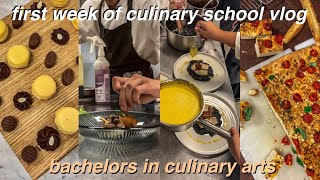
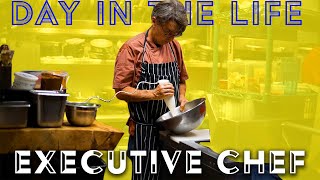




Helpful Resources
Articles and guides for deeper learning
Frequently Asked Questions
Quick answers to common questions
QWhat are the typical working hours for a Culinary Associate?
Working hours can vary significantly depending on the establishment, but often include evenings, weekends, and holidays, as the food service industry operates throughout the week.
QWhat is the difference between a Culinary Associate and a Chef?
A Culinary Associate typically supports chefs in food preparation and kitchen operations, while a Chef often leads the kitchen, creates menus, and manages staff.
QAre there opportunities for specialization within this role?
Yes, Culinary Associates can often specialize in areas like pastry, garde manger (cold food preparation), or specific cuisines as they gain experience.
Explore All 1,500+ Careers
Browse our full career explorer or take an assessment to get personalised recommendations.