FGP Ultrasound Technician
Also known as: Diagnostic Medical Sonographer, Ultrasound Technologist, Medical Sonographer
An FGP Ultrasound Technician, often referred to as a Diagnostic Medical Sonographer, uses specialized equipment that employs sound waves to create images of organs, tissues, and blood flow within the body. These images are vital for diagnosing a wide range of medical conditions, from pregnancy-related issues to heart disease and abdominal problems. You'll work closely with patients, explaining procedures and ensuring their comfort while operating the ultrasound machine to capture the necessary diagnostic information for physicians.
8
Skills to Learn
4
Career Levels
5
Top Companies
3
Education Paths
Sneak Peek
Ever wondered how doctors get a sneak peek at a developing baby before it's born? Or how they can see inside the human body to help diagnose problems without surgery? As an FGP Ultrasound Technician, you'll be the one using advanced technology to create these incredible images, playing a crucial role in healthcare.
What does an FGP Ultrasound Technician do?
An FGP Ultrasound Technician, often referred to as a Diagnostic Medical Sonographer, uses specialized equipment that employs sound waves to create images of organs, tissues, and blood flow within the body. These images are vital for diagnosing a wide range of medical conditions, from pregnancy-related issues to heart disease and abdominal problems.
- Salary in India
- ₹4 to ₹10 lakh a year
- Demand
- Growing
- Remote work
- Location-Bound
- Industry
- Healthcare
Is This Career For You?
Discover if your personality matches this career
Your Personality Fit (RIASEC)
You are curious, analytical, and enjoy solving complex problems and uncovering new information.
You enjoy working with your hands and using tools and machinery to solve problems.
You enjoy helping others, teaching, and working in collaborative environments.
You prefer structured environments and enjoy organizing and managing data and tasks.
You enjoy leading, persuading, and taking on challenges to achieve goals.
You express yourself creatively and enjoy working with abstract ideas and concepts.
You'll Love This Career If...
Like what you see? Get full access.
Save this career, compare with others, and get your personalized career plan.
50,000+ students already signed up
A Day in the Life
What your typical workday looks like
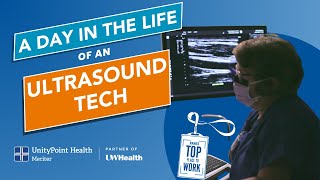
Your day typically starts by reviewing patient schedules and preparing the ultrasound equipment. You'll greet patients, explain the procedure, and position them comfortably for the scan. Throughout the day, you'll operate the ultrasound machine, carefully maneuvering the transducer to capture specific images and measurements. You'll often work with various medical professionals, discussing findings and ensuring accurate documentation. Each scan is a new puzzle to solve, contributing to patient diagnosis and care.
Myth vs Reality
Tap to reveal the truth behind common misconceptions
Skills You'll Need
Master these to excel in this career
Technical Skills
2Ultrasound Imaging Techniques
Knowledge of various ultrasound imaging techniques and their applications.
Diagnostic Equipment
Proficiency in operating and maintaining ultrasound equipment.
Soft Skills
5Patient Care
Ability to provide compassionate and professional care to patients during procedures.
Critical Thinking
Ability to analyze images and make accurate diagnostic decisions.
Communication Skills
Effective communication with patients, doctors, and other healthcare professionals.
Team Collaboration
Working effectively within a healthcare team to provide optimal patient care.
Continuous Learning
Commitment to staying updated with the latest advancements in ultrasound technology.
Domain Skills
1Medical Terminology
Understanding of medical terminology related to ultrasound imaging.
Tools of the Trade
Software and tools you'll work with daily
Hardware
Ultrasound machine
The main device that uses sound waves to create images of the inside of the body.
Transducer (or probe)
The part of the ultrasound machine that is placed on the body to send and receive sound waves.
Software
Medical imaging software
Used to process, display, and store the ultrasound images.
Platform
PACS (Picture Archiving and Communication System)
A system for storing, retrieving, and managing medical images digitally.
Want to build these skills?
Get a personalized learning roadmap and save careers that match your profile.
50,000+ students already signed up
Your Learning Path
Step-by-step guide to getting started
High School Foundations
Focus on science classes like biology and physics. Good grades in math and English are also important for clear communication and understanding scientific concepts.
Formal Education
Complete an accredited diagnostic medical sonography program. This typically involves coursework in anatomy, physiology, physics, and ultrasound principles, along with hands-on training.
Gain Clinical Experience
Complete a clinical externship or internship in a hospital or clinic setting. This provides real-world experience scanning different types of patients and conditions under supervision.
Certification and Licensure
Pass a certification exam (e.g., through the American Registry for Diagnostic Medical Sonography - ARDMS) and obtain any required state licensure to practice professionally.
Career Progression
How your career will grow over time
Ultrasound Technician Intern
EntryEntry-level position focused on learning the basics of ultrasound technology under supervision.
- Assisting experienced technicians
- Learning to operate ultrasound equipment
- Observing patient procedures
Junior Ultrasound Technician
Mid-LevelIndependently performing basic ultrasound procedures with supervision.
- Conducting routine ultrasound scans
- Documenting patient information
- Maintaining equipment
Senior Ultrasound Technician
SeniorPerforming complex ultrasound procedures and mentoring junior technicians.
- Conducting advanced ultrasound scans
- Training junior technicians
- Ensuring equipment calibration
Lead Ultrasound Technician
LeadershipLeading a team of ultrasound technicians and overseeing departmental operations.
- Supervising a team of technicians
- Developing training programs
- Ensuring compliance with protocols
Education Paths
Associate Degree
Ultrasound Technology
Bachelor's Degree
Diagnostic Medical Sonography
Professional Degree
Advanced Practice Sonography
Top Hiring Companies
Salary & Future Growth
What you can earn and where the industry is headed
Salary Progression (INR)
Future Career OutlookCurrent Market: Growing
The current outlook for FGP Ultrasound Technicians is positive, with a growing demand for skilled professionals in diagnostic imaging.
The medium to long-term prospect is expected to remain strong, driven by advancements in medical technology and an aging population requiring more diagnostic services.
The very long-term outlook indicates continued stability and growth, as ultrasound technology becomes more integrated into various medical fields and preventative care.
Not sure if FGP Ultrasound Technician is right for you?
Talk to a Stride counsellor for personalised guidance on whether this career fits your interests, strengths, and goals.
Watch & Learn
Curated videos to help you explore


Helpful Resources
Articles and guides for deeper learning
Frequently Asked Questions
Quick answers to common questions
QWhat kind of education is required to become an FGP Ultrasound Technician?
Typically, an associate's degree or a certificate program in diagnostic medical sonography is required. Many programs include hands-on clinical training.
QWhat are the key responsibilities of an FGP Ultrasound Technician?
Responsibilities include operating ultrasound equipment, performing diagnostic imaging procedures, recording and analyzing ultrasound വിവരങ്ങൾ, and communicating findings to physicians.
QWhat is the typical work environment for an FGP Ultrasound Technician?
FGP Ultrasound Technicians usually work in hospitals, clinics, or diagnostic imaging centers. The environment is often fast-paced and requires close patient interaction.
QAre there opportunities for specialization within FGP Ultrasound Technology?
Yes, technicians can specialize in areas such as cardiac sonography, vascular sonography, abdominal sonography, or obstetric and gynecologic sonography.
QWhat personal qualities are important for an FGP Ultrasound Technician?
Important qualities include attention to detail, good communication skills, empathy, manual dexterity, and the ability to work under pressure.
Explore All 1,500+ Careers
Browse our full career explorer or take an assessment to get personalised recommendations.