Cardiovascular Specialist
Also known as: Cardiac Technologist, Cardiology Technician, Cardiovascular Technologist, Echocardiographer, Cath Lab Technician, ECG Technician, Cardiac Care Assistant
A Cardiovascular Specialist is a healthcare professional dedicated to the diagnosis, treatment, and prevention of diseases and disorders related to the heart and blood vessels. They utilize advanced technology and medical knowledge to assess patients, perform diagnostic tests, assist in life-saving procedures, and develop personalized care plans. These specialists work closely with patients and other medical teams to manage cardiovascular health, improve patient outcomes, and contribute to advancements in cardiac care.
10
Skills to Learn
5
Career Levels
8
Top Companies
4
Education Paths
Sneak Peek
Do you ever wonder what keeps the heart – the very engine of our bodies – running smoothly? Would you be fascinated to help people keep their hearts healthy and strong? A career as a Cardiovascular Specialist allows you to do just that, playing a vital role in diagnosing and treating heart conditions.
What does a Cardiovascular Specialist do?
A Cardiovascular Specialist is a healthcare professional dedicated to the diagnosis, treatment, and prevention of diseases and disorders related to the heart and blood vessels. They utilize advanced technology and medical knowledge to assess patients, perform diagnostic tests, assist in life-saving procedures, and develop personalized care plans.
- Salary in India
- ₹3 to ₹8 lakh a year
- Demand
- Growing
- Remote work
- Location-Bound
- Industry
- Healthcare
Is This Career For You?
Discover if your personality matches this career
Your Personality Fit (RIASEC)
You love solving complex problems and are driven by curiosity to understand how things work, especially the intricate systems of the human body.
You enjoy hands-on work and using tools to fix or build things, which applies to performing procedures and using medical equipment.
You are motivated by helping others and enjoy interacting with people, which is central to patient care and collaboration with medical teams.
You are persuasive, enjoy leading, and are motivated by challenges and achieving goals, which can be useful in managing complex cases and leading medical teams.
You appreciate order, structure, and accuracy, which are important for following protocols and meticulous record-keeping in medicine.
While less central, creativity can be helpful in approaching unique patient cases or developing new techniques.
You'll Love This Career If...
Like what you see? Get full access.
Save this career, compare with others, and get your personalized career plan.
50,000+ students already signed up
A Day in the Life
What your typical workday looks like
Your day might begin with reviewing patient charts and preparing for diagnostic tests, such as echocardiograms or stress tests. You could spend time operating specialized equipment to capture detailed images of the heart, meticulously analyzing the results to identify any abnormalities. Later, you might assist a cardiologist during a minimally invasive procedure in the cath lab, monitoring vital signs and ensuring the smooth operation of equipment. The afternoon could involve consulting with patients, explaining their condition and treatment options in a clear and compassionate manner, or collaborating with other healthcare professionals to coordinate patient care.
Myth vs Reality
Tap to reveal the truth behind common misconceptions
Skills You'll Need
Master these to excel in this career
Technical Skills
4Advanced Cardiovascular Technologies
Proficient in using cutting-edge medical equipment for diagnosing and treating heart conditions.
Data Analysis
Analyzing patient data to make informed decisions about treatment plans.
Problem-Solving
Identifying and resolving issues that arise during patient care.
Attention to Detail
Ensuring accuracy in diagnosing and treating heart conditions.
Soft Skills
3Patient Communication
Effectively communicating with patients to explain procedures, results, and care plans.
Team Collaboration
Working seamlessly with doctors, nurses, and other healthcare professionals.
Empathy
Showing compassion and understanding towards patients and their families.
Domain Skills
3Regulatory Compliance
Understanding and adhering to healthcare regulations and standards.
Continuous Learning
Staying updated with the latest advancements in cardiovascular technology and treatments.
Ethical Practice
Adhering to ethical standards in patient care and treatment.
Tools of the Trade
Software and tools you'll work with daily
Hardware
Electrocardiogram (ECG/EKG)
A device that records the electrical activity of the heart to detect rhythm problems and other issues.
Echocardiogram (Echo)
Uses ultrasound to create images of the heart, showing its size, shape, and how well it's pumping.
Cardiac Catheterization
A procedure using thin, flexible tubes (catheters) inserted into blood vessels to diagnose or treat heart conditions, often involving imaging and measurements.
Pacemakers and Defibrillators
Implantable devices that help regulate the heart's rhythm.
Stents
Small mesh tubes used to prop open narrowed or blocked arteries, often delivered via catheterization.
Coronary Artery Bypass Grafting (CABG) Instruments
Specialized surgical tools used in open-heart surgery to reroute blood flow around blocked arteries.
Software
Electronic Health Record (EHR) Systems
Digital versions of patients' paper charts, used to store and manage patient information, including medical history, diagnoses, medications, and test results.
Medical Imaging Software (for CT/MRI)
Programs used to view, analyze, and interpret complex images of the heart and chest obtained from CT or MRI scans.
Platform
Simulation Training Platforms
Virtual environments used to practice surgical procedures or manage critical scenarios without risk to real patients.
Want to build these skills?
Get a personalized learning roadmap and save careers that match your profile.
50,000+ students already signed up
Your Learning Path
Step-by-step guide to getting started
Foundation in Science
Start by excelling in science subjects like Biology and Chemistry in high school. These subjects will build the fundamental understanding of life processes and chemical reactions crucial for medicine.
Undergraduate Degree & Medical School
Complete a 4-year undergraduate degree (often pre-med) followed by 4 years of medical school (MBBS or equivalent). Focus on mastering core medical sciences and clinical skills, paying special attention to human anatomy and physiology.
General Medicine Residency
After medical school, complete a 3-5 year residency in General Medicine (MD/DNB). This stage is vital for developing broad clinical experience, diagnostic skills, and managing various patient conditions, including initial cardiac assessments.
Cardiology Super-specialization
Pursue a 3-year super-specialty training (DM in Cardiology or equivalent) after your general medicine residency. This advanced training focuses entirely on heart diseases, diagnostic procedures, and treatment options, including interventional cardiology and electrophysiology.
Career Progression
How your career will grow over time
Medical Student
EntryStudents begin their journey by studying a Bachelor's degree in a science or health-related field.
- Study core subjects like biology, chemistry, and physics.
- Gain foundational knowledge in human anatomy and physiology.
Medical School Student
EntryStudents enroll in a Doctor of Medicine (MD) program at an internationally accredited medical school.
- Complete classroom and lab-based studies in basic sciences.
- Undertake clinical rotations in hospitals and clinics.
Resident Physician
Mid-LevelGraduates from medical school complete a residency in internal medicine or pediatrics.
- Develop clinical skills and experience in general medicine.
- Prepare for a cardiology fellowship.
Cardiology Fellow
Mid-LevelPhysicians complete a specialized cardiology fellowship.
- Receive advanced training in diagnosing and treating cardiac diseases.
- Gain experience in various cardiology subspecialties.
Cardiologist
SeniorGraduates from the fellowship become practicing cardiologists.
- Diagnose and treat a wide range of heart conditions.
- Perform diagnostic procedures and minimally invasive interventions.
- Collaborate with other healthcare providers.
Education Paths
Bachelor's Degree
B.Sc. in Biology/Chemistry or related field
Science/Health-related
Doctoral Degree
MD
Medicine
Post-Secondary Certificate/Diploma
Internal Medicine Residency
Medicine
Post-Secondary Certificate/Diploma
Cardiology Fellowship
Cardiology
Top Hiring Companies
Salary & Future Growth
What you can earn and where the industry is headed
Salary Progression (INR)
Future Career OutlookCurrent Market: Growing
The job outlook for cardiovascular specialists is strong, driven by an aging population and increasing rates of chronic illnesses. Demand is high for professionals who can assist in diagnosing and treating heart-related conditions.
The demand for cardiovascular specialists is expected to continue growing significantly over the next decade and beyond, fueled by ongoing demographic trends and advancements in medical technology. The increasing prevalence of heart disease ensures a sustained need for these experts.
The long-term outlook for cardiovascular specialists remains very positive. As medical understanding and technology advance, the need for specialized care in cardiology will persist, ensuring robust employment opportunities for the foreseeable future.
Not sure if Cardiovascular Specialist is right for you?
Talk to a Stride counsellor for personalised guidance on whether this career fits your interests, strengths, and goals.
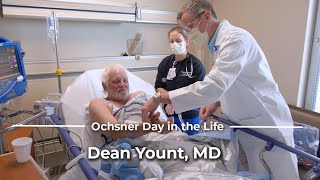
Watch & Learn
Curated videos to help you explore


Helpful Resources
Articles and guides for deeper learning
Frequently Asked Questions
Quick answers to common questions
QWhat is a Cardiovascular Specialist?
A Cardiovascular Specialist is a healthcare professional focused on diagnosing and treating conditions related to the heart and blood vessels. They use advanced technology and medical knowledge to help patients with heart disease.
QWhat kind of education do I need to become a Cardiovascular Specialist?
Typically, a Bachelor of Science (BSc) in Cardiology or a related field like Cardiovascular Technology is the first step. This is often followed by further specialization, certifications, or advanced degrees depending on the specific role, such as a cardiologist or a cardiovascular technologist.
QWhat are some common tools used by Cardiovascular Specialists?
Common tools include ECG (Electrocardiogram) machines, echocardiogram devices, cardiac catheterization equipment, and various imaging technologies like MRI and CT scans. They also utilize specialized software for data analysis and patient management.
Explore All 1,500+ Careers
Browse our full career explorer or take an assessment to get personalised recommendations.