Sonographer
Also known as: Ultrasound Technician, Diagnostic Medical Sonographer, Ultrasound Technologist
Sonographers, also known as diagnostic medical sonographers, are healthcare professionals who use ultrasound technology to create images of the inside of the body. These images are crucial for helping doctors diagnose and treat a wide range of medical conditions. They work with patients of all ages, from newborns to the elderly, and in various medical settings, including hospitals and clinics.
5
Skills to Learn
4
Career Levels
3
Top Companies
2
Education Paths
Sneak Peek
Have you ever wondered how doctors can see inside the human body without making any incisions? As a Sonographer, you
What does a Sonographer do?
A sonographer uses ultrasound equipment to create images of the inside of the body, helping doctors diagnose and treat medical conditions.
- Salary in India
- ₹5 to ₹15 lakh a year
- Demand
- Growing
- Remote work
- Hybrid
- Industry
- Healthcare
Is This Career For You?
Discover if your personality matches this career
Your Personality Fit (RIASEC)
You enjoy using technology to solve problems and uncover information.
You like working with your hands and using specialized equipment.
You find satisfaction in helping others and being part of a healthcare team.
Attention to detail and following procedures are important, but it's not a purely administrative role.
While not the primary focus, creativity can be helpful in visualizing and interpreting images.
This role involves less direct sales or management, but communication skills are important.
You'll Love This Career If...
Like what you see? Get full access.
Save this career, compare with others, and get your personalized career plan.
50,000+ students already signed up
A Day in the Life
What your typical workday looks like
A typical day for a sonographer involves preparing patients for their ultrasounds, explaining the procedure, and ensuring they are comfortable. You
Myth vs Reality
Tap to reveal the truth behind common misconceptions
Skills You'll Need
Master these to excel in this career
Technical Skills
2Echocardiography Equipment Operation
Proficiently using various ultrasound machines, transducers, and imaging modes.
Image Acquisition and Optimization
Skill in obtaining high-quality diagnostic images of all cardiac views.
Soft Skills
2Patient Communication
Explaining complex procedures clearly and ensuring patient comfort during examinations.
Attention to Detail
Precise measurements and accurate image acquisition for correct diagnosis.
Domain Skills
1Cardiac Anatomy and Physiology
Deep understanding of heart structures, blood flow dynamics, and common cardiac pathologies.
Tools of the Trade
Software and tools you'll work with daily
Hardware
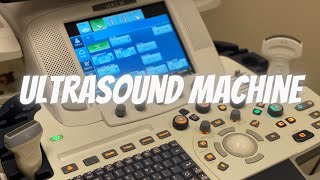
Ultrasound Machine
The main device that uses sound waves to create images of the inside of the body.
Ultrasound Transducer (Probe)
A handheld device that sends and receives sound waves, placed on the patient's body.
Medical Imaging Equipment
Various accessories and equipment used alongside the ultrasound machine for patient positioning and image quality.
Software
Vascular Ultrasound
Specialized software used to analyze blood flow and identify issues in blood vessels.
Echocardiography Software
Software used for imaging and analyzing the heart's function and structure.
PACS (Picture Archiving and Communication System)
A system used to store, retrieve, and manage medical images like ultrasounds.
Want to build these skills?
Get a personalized learning roadmap and save careers that match your profile.
50,000+ students already signed up
Your Learning Path
Step-by-step guide to getting started
Build a Strong Foundation
Start by mastering human anatomy and physiology. Learn about the major organ systems and how they function. You can do this through high school biology classes, online courses focusing on anatomy, or even by studying reputable textbooks.
Explore the Science of Ultrasound
Dive into the physics behind ultrasound technology. Understand how sound waves are used to create images and what factors affect image quality. Look for introductory physics courses or online modules on ultrasound principles.
Get Hands-On Training
Enroll in an accredited diagnostic medical sonography program (certificate, associate, or bachelor's degree). This is where you'll learn to operate ultrasound equipment, practice scanning techniques on models and real patients, and develop your interpretation skills.
Earn Certification and Specialize
After completing your program, prepare for and pass a certification exam, like those offered by the ARDMS. Consider specializing in an area that interests you, such as cardiac, vascular, or musculoskeletal sonography, to further your career.
Career Progression
How your career will grow over time
Entry-Level Sonographer
EntryBeginning sonographers assist in performing ultrasounds, prepare patients, and help maintain equipment.
- Assist in performing ultrasound procedures
- Prepare patients for examinations
- Maintain and clean equipment
- Document patient information and procedure details
Mid-Level Sonographer
Mid-LevelExperienced sonographers perform a wide range of ultrasound procedures independently, analyze images, and collaborate with physicians.
- Perform independent ultrasound procedures
- Analyze and interpret ultrasound images
- Collaborate with physicians for patient diagnosis
- Educate patients about the procedure
Senior Sonographer
SeniorSenior sonographers take on leadership roles, mentor junior staff, and may specialize in advanced imaging techniques.
- Mentor and train junior sonographers
- Specialize in advanced imaging techniques
- Lead quality assurance initiatives
- Participate in research and development projects
Sonography Supervisor
LeadershipSonography supervisors oversee sonography departments, manage staff, and ensure compliance with regulations.
- Manage sonography department operations
- Supervise and evaluate sonographers
- Ensure compliance with healthcare regulations
- Develop and implement department policies
Education Paths
Post-Secondary Certificate/Diploma
Diagnostic Medical Sonography
Medical Sonography
Associate Degree
Diagnostic Medical Sonography
Medical Sonography
Top Hiring Companies
Salary & Future Growth
What you can earn and where the industry is headed
Salary Progression (INR)
Future Career OutlookCurrent Market: Growing
The demand for skilled sonographers is growing, with advancements in technology like AI and portable devices expanding the field's applications.
The field is expected to continue growing, driven by an aging population, increased demand for diagnostic imaging, and technological innovations that make sonography more accessible and versatile.
Sonography will likely remain a crucial part of diagnostic medicine, with continued integration of AI and advanced imaging techniques. Adaptability and a commitment to lifelong learning will be key for long-term career success.
Not sure if Sonographer is right for you?
Talk to a Stride counsellor for personalised guidance on whether this career fits your interests, strengths, and goals.
Watch & Learn
Curated videos to help you explore




Helpful Resources
Articles and guides for deeper learning
Frequently Asked Questions
Quick answers to common questions
QWhat kind of education is needed to become a sonographer?
Typically, you'll need an associate's or bachelor's degree in diagnostic medical sonography or a related field, followed by certification.
QIs sonography a physically demanding job?
It can be, as sonographers often stand for long periods and may need to position patients. However, technology is evolving to reduce physical strain.
QWhat are the biggest challenges in sonography?
Challenges include keeping up with new technology, managing high workloads that can lead to burnout, and navigating the emotional aspects of delivering sensitive news to patients.
QCan sonographers work with AI?
Yes, AI is becoming a collaborative tool in sonography, assisting with tasks like image analysis and diagnosis, freeing up sonographers for more complex cases and patient interaction.
Explore All 1,500+ Careers
Browse our full career explorer or take an assessment to get personalised recommendations.