Geologist/Earth Scientist
Also known as: Geosciences, Earth Science
Geologists are like Earth's detectives, exploring its history, structure, and processes to find valuable resources, understand natural hazards, and help protect the environment. They combine fieldwork, lab analysis, and computer modeling to solve real-world problems related to energy, water, and land.
17
Skills to Learn
5
Career Levels
4
Top Companies
3
Education Paths
Sneak Peek
Have you ever wondered what lies beneath your feet, from the mountains to the deepest oceans? Are you fascinated by the powerful forces that shape our planet, like volcanoes and earthquakes?
What does a Geologist/Earth Scientist do?
Geologists are like Earth's detectives, exploring its history, structure, and processes to find valuable resources, understand natural hazards, and help protect the environment. They combine fieldwork, lab analysis, and computer modeling to solve real-world problems related to energy, water, and land.
- Salary in India
- ₹6 to ₹15 lakh a year
- Demand
- Growing
- Remote work
- Hybrid
- Industry
- Scientific Research and Development Services
Is This Career For You?
Discover if your personality matches this career
Your Personality Fit (RIASEC)
You are curious, analytical, and enjoy solving complex problems through research and investigation.
You enjoy working with your hands, tools, and machinery, often in outdoor settings.
Detailed analysis, data recording, and report generation are key components of the role.
You'll collaborate with diverse teams and communicate findings, requiring social interaction.
Opportunities exist in consulting and project management, which involve leadership and persuasion.
While not a primary focus, creativity can be used in data visualization and problem-solving.
You'll Love This Career If...
Like what you see? Get full access.
Save this career, compare with others, and get your personalized career plan.
50,000+ students already signed up
A Day in the Life
What your typical workday looks like
Your day might start with analyzing rock samples under a microscope in the lab, then transition to heading out into the field with a team to map geological formations and collect soil samples. You could spend an afternoon using specialized software to create 3D models of underground structures or write a detailed report for a construction project, assessing the geological stability of a site. Some days might involve responding to an interesting geological event, requiring quick analysis and clear communication of potential risks.
Myth vs Reality
Tap to reveal the truth behind common misconceptions
Skills You'll Need
Master these to excel in this career
Technical Skills
6Analytical Thinking
Breaking down complex problems, interpreting data accurately, and drawing meaningful conclusions from experiments.
Attention to Detail
Ensuring precision in scientific research to avoid flawed results.
Critical Thinking
Evaluating theories, questioning assumptions, and solving problems creatively.
Technical Expertise
Proficiency in lab techniques, scientific tools, and relevant software.
Statistical and Data Analysis Skills
Understanding statistics and interpreting complex data sets.
Remote Sensing and GIS Skills
Using remote sensing technologies and Geographic Information Systems for geological analysis.
Soft Skills
4Communication Skills
Ability to write research papers, prepare reports, and present findings clearly.
Project Management
Managing timelines, resources, and team collaboration efficiently.
Curiosity and Innovation
A genuine interest in discovery and a drive to explore the unknown.
Collaboration and Teamwork
Working in interdisciplinary teams and coordinating effectively.
Domain Skills
7Fieldwork Skills
Conducting geological surveys, collecting samples, and applying analytical techniques in real-world settings.
Mineralogy and Petrology Knowledge
Understanding the composition, structure, and classification of minerals and rocks.
Hydrogeology Skills
Studying the distribution and movement of groundwater in the soil and rock of the Earth's crust.
Paleontology Skills
Studying fossils to understand the history of life on Earth.
Geochemistry Skills
Analyzing the chemical composition of geological materials.
Structural Geology Skills
Studying the physical features of rocks and their deformation due to stress.
Environmental Geology Skills
Understanding the interaction between human activity and the geological environment.
Tools of the Trade
Software and tools you'll work with daily
Software
Geographic Information Systems (GIS)
Used for mapping and analyzing spatial data to understand land features and resources.
Geological Modeling Software
Helps create 3D models to predict geological hazards and estimate resources.
Hardware
Field Data Collection Tools
Includes GPS devices, sample collection kits, and measuring instruments for gathering on-site information.
Laboratory Equipment
Used for analyzing the properties of rock, soil, and water samples.
Platform
Aerial Imaging and Satellite Data
Provides broad views of landscapes for large-scale geological surveys and analysis.
Want to build these skills?
Get a personalized learning roadmap and save careers that match your profile.
50,000+ students already signed up
Your Learning Path
Step-by-step guide to getting started
Explore the Basics
Start by taking science classes like Earth Science, Biology, Chemistry, and Physics in high school. Read books and watch documentaries about geology and environmental science to spark your interest.
Get a Bachelor's Degree
Pursue a Bachelor of Science (B.S.) degree in Geoscience, Geology, or a related field like Environmental Science. Focus on courses that cover fieldwork, lab analysis, and data interpretation.
Gain Hands-On Experience
Actively seek internships or summer field camps. These opportunities provide practical experience in collecting and analyzing geological data, which is crucial for future job prospects.
Consider Specialization and Licensure
Depending on your career goals, you might pursue a Master's degree for specialized roles. Obtaining professional licenses, like the Professional Geologist (PG) license, can open doors to advanced positions and increase your credibility.
Career Progression
How your career will grow over time
Geology Intern
EntryA Geology Intern assists senior geologists in fieldwork, data collection, and basic analysis. This role provides hands-on experience and foundational knowledge in geological processes and techniques.
- Assist in field surveys and data collection.
- Perform basic laboratory analyses.
- Help prepare reports and presentations.
Junior Geologist
EntryA Junior Geologist conducts independent fieldwork, collects samples, and performs preliminary data analysis. They work under supervision to ensure accuracy and adherence to safety protocols.
- Conduct field surveys and collect geological samples.
- Analyze samples using laboratory techniques.
- Prepare preliminary reports and presentations.
Geologist
Mid-LevelA Geologist leads fieldwork, conducts detailed analyses, and develops geological models. They collaborate with multidisciplinary teams and present findings to stakeholders.
- Lead field expeditions and data collection.
- Analyze geological data and develop models.
- Collaborate with engineers and environmental scientists.
- Prepare comprehensive reports and presentations.
Senior Geologist
SeniorA Senior Geologist oversees complex projects, manages teams, and provides strategic geological insights. They are responsible for project planning, budget management, and ensuring compliance with regulations.
- Oversee complex geological projects.
- Manage teams and ensure project delivery.
- Provide strategic geological insights.
- Ensure compliance with safety and environmental regulations.
Geology Department Head
LeadershipA Geology Department Head leads the department, sets strategic direction, and ensures alignment with organizational goals. They are responsible for department performance, resource management, and fostering a culture of innovation.
- Lead the geology department and set strategic direction.
- Manage department resources and performance.
- Foster a culture of innovation and collaboration.
- Ensure alignment with organizational goals.
Education Paths
Bachelor's Degree
B.Sc in Geology or Earth Sciences
Geology or Earth Sciences
Master's Degree
M.Sc in Geology or Earth Sciences
Geology or Earth Sciences
Doctoral Degree
Ph.D. in Geology or Earth Sciences
Geology or Earth Sciences
Top Hiring Companies
Salary & Future Growth
What you can earn and where the industry is headed
Salary Progression (INR)
Future Career OutlookCurrent Market: Growing
Geologists are in demand across various sectors including energy, environmental consulting, and government. The field combines fieldwork with lab analysis and data interpretation, offering a dynamic work environment. Geologists play a crucial role in identifying natural resources and assessing geological hazards, making their work essential for societal needs.
The demand for geologists is projected to grow steadily, driven by the need for natural resource exploration, environmental management, and infrastructure development. Advancements in technology will continue to shape the field, requiring geologists to adapt and upskill. Opportunities in areas like renewable energy (geothermal) and carbon capture are also expected to expand.
As global challenges related to climate change, resource management, and sustainable development intensify, the expertise of geologists will remain critically important. Their understanding of Earth's processes will be vital for mitigating risks, finding new energy sources, and managing environmental impact, ensuring a stable long-term outlook for the profession.
Not sure if Geologist/Earth Scientist is right for you?
Talk to a Stride counsellor for personalised guidance on whether this career fits your interests, strengths, and goals.
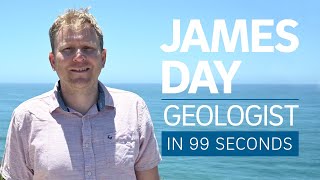
Watch & Learn
Curated videos to help you explore


Helpful Resources
Articles and guides for deeper learning
Frequently Asked Questions
Quick answers to common questions
QWhat are the typical work hours for a geologist?
While many geologists work standard business hours, fieldwork or urgent project needs can sometimes require irregular schedules. This can include longer days or working on weekends during critical periods.
QWhat is the difference between a geologist and a geophysicist?
A geologist primarily studies the Earth's physical structure, composition, and history through direct observation and sample analysis. A geophysicist, on the other hand, uses physics and mathematical models to study the Earth's interior and surface, often using indirect methods like seismic waves.
QIs a Master's degree necessary to become a geologist?
A Bachelor's degree in geology or a related field is typically the minimum requirement. However, a Master's degree is often preferred or required for research, specialized roles, or positions with more advanced responsibilities.
Explore All 1,500+ Careers
Browse our full career explorer or take an assessment to get personalised recommendations.