Indian Foreign Service Officer
Also known as: IFS Officer
As an Indian Foreign Service (IFS) Officer, you'll be the face of India in other countries, working to protect our national interests, build strong diplomatic ties, and promote cultural exchange. This role involves everything from negotiating international agreements and representing India in global forums like the United Nations to providing consular services for Indian citizens abroad. You'll also play a crucial part in shaping India's foreign policy from the Ministry of External Affairs in New Delhi.
10
Skills to Learn
5
Career Levels
1
Top Companies
2
Education Paths
Sneak Peek
Have you ever dreamed of representing your country on the world stage, navigating global politics, and fostering international relations? If you're passionate about diplomacy and eager to explore diverse cultures, a career as an Indian Foreign Service (IFS) Officer might be your calling.
What does an Indian Foreign Service Officer do?
You'll be the face of India in other countries, working to protect our national interests, build strong diplomatic ties, and promote cultural exchange. This role involves everything from negotiating international agreements and representing India in global forums like the United Nations to providing consular services for Indian citizens abroad.
- Demand
- Growing
- Remote work
- Hybrid
- Industry
- Diplomatic Service
Is This Career For You?
Discover if your personality matches this career
Your Personality Fit (RIASEC)
You enjoy leading, influencing, and persuading others, and are comfortable with negotiation and managing complex relationships.
You are motivated by helping and interacting with people, and enjoy building bridges and fostering understanding between different groups.
You are analytical, curious, and enjoy understanding complex systems and situations, and are adept at research and problem-solving.
You appreciate structure, order, and attention to detail, which is important when dealing with international protocols and agreements.
While not a primary focus, an appreciation for diverse cultures and perspectives can be beneficial.
This role is less about hands-on, tangible work and more about intellectual and interpersonal engagement.
You'll Love This Career If...
Like what you see? Get full access.
Save this career, compare with others, and get your personalized career plan.
50,000+ students already signed up
A Day in the Life
What your typical workday looks like
Your day could involve attending high-level diplomatic meetings, drafting reports on international affairs, engaging with local communities in a foreign land, or strategizing on trade negotiations. One day you might be representing India at a UN conference, and the next, you could be assisting Indian citizens in distress abroad or working on cultural exchange programs to strengthen bilateral relations. The work is varied, challenging, and always focused on India's place in the global community.
Myth vs Reality
Tap to reveal the truth behind common misconceptions
Skills You'll Need
Master these to excel in this career
Technical Skills
3Analytical Skills
Ability to analyze complex international issues.
Language Skills
Proficiency in one or more foreign languages.
Policy Formulation
Ability to develop and implement foreign policy.
Soft Skills
6Diplomatic Communication
Clear and effective communication in diplomatic settings.
Cultural Awareness
Understanding and respecting different cultures.
Negotiation Skills
Skill in negotiating international agreements and treaties.
Leadership
Ability to lead and manage a team in a diplomatic setting.
Crisis Management
Skill in handling diplomatic crises and emergencies.
Adaptability
Ability to adapt to different cultural and professional environments.
Domain Skills
1International Relations Knowledge
Comprehensive understanding of global political dynamics.
Tools of the Trade
Software and tools you'll work with daily
Software
Ministry of External Affairs (MEA) Policy Documents
Internal guidelines and policy papers that dictate India's foreign policy stances and strategies.
Geopolitical Analysis Tools
Software and databases used to analyze global political and economic trends, assess risks, and inform policy decisions.
Video Conferencing Platforms
Used for virtual meetings with foreign dignitaries, international organizations, and colleagues across different missions.
Platform
Diplomatic Communication Channels
Secure systems used for transmitting sensitive information and official communications between embassies and the MEA.
International Law and Treaties Database
A repository of all international laws and treaties that India is a signatory to, crucial for understanding legal frameworks in foreign relations.
Official Government Websites (MEA, Embassies)
Platforms for disseminating information, consular services, and official announcements to the public and other governments.
Want to build these skills?
Get a personalized learning roadmap and save careers that match your profile.
50,000+ students already signed up
Your Learning Path
Step-by-step guide to getting started
Build a Strong Academic Foundation
Focus on subjects like History, Political Science, International Relations, Economics, and Languages. Develop strong reading and writing skills through essays and research papers.
Develop Critical Thinking and Communication Skills
Participate in debate clubs, Model UN, and mock parliamentary sessions. Practice articulating your thoughts clearly and persuasively, both in writing and speaking.
Gain Global Awareness and Cultural Understanding
Stay updated on current world events through reputable news sources. Learn a foreign language and explore different cultures through books, documentaries, and travel if possible.
Prepare for the Civil Services Exam (CSE)
Dedicate time to understanding the CSE syllabus, focusing on General Studies, Essay writing, and optional subjects relevant to international affairs. Practice previous years' papers rigorously.
Career Progression
How your career will grow over time
Third Secretary
EntryBeginning as a Third Secretary, an IFS Officer starts their career by handling junior-level diplomatic tasks and learning the ropes of international relations.
- Assisting in diplomatic negotiations
- Gathering and reporting information
- Supporting senior officers in various missions
First Secretary/Counsellor
Mid-LevelAt this stage, an IFS Officer takes on more responsibility, managing diplomatic missions and representing India in international forums.
- Leading diplomatic negotiations
- Managing consular services
- Coordinating with other government departments
Minister/Deputy Chief of Mission
SeniorAs a Senior Officer, the role involves overseeing major diplomatic missions and acting as a key advisor to the Ambassador.
- Overseeing diplomatic strategies
- Representing India in high-level meetings
- Managing large teams of diplomats
Ambassador/High Commissioner
LeadershipAt the pinnacle of the career, an IFS Officer serves as the chief diplomatic representative of India in a foreign country or international organization.
- Leading the embassy or mission
- Negotiating treaties and agreements
- Promoting India's interests abroad
Foreign Secretary
LeadershipThe highest position in the Indian Foreign Service, responsible for the overall direction and coordination of India's foreign policy.
- Formulating foreign policy
- Coordinating with other ministries
- Representing India in international forums at the highest level
Education Paths
Bachelor's Degree
Post-Secondary Certificate/Diploma
Top Hiring Companies
Salary & Future Growth
What you can earn and where the industry is headed
Salary Progression (INR)
Future Career OutlookCurrent Market: Growing
The current prospect for an Indian Foreign Services (IFS) Officer involves a dynamic role in representing India's interests globally. This includes engaging in diplomacy, promoting trade, and protecting Indian citizens abroad. The work is demanding, requiring adaptability and a deep understanding of international relations.
In the medium to long term, IFS Officers are expected to play an increasingly crucial role in navigating complex global challenges such as climate change, economic shifts, and geopolitical realignments. Their ability to foster international cooperation and advocate for India's position on the world stage will be vital. Opportunities for specialization in various diplomatic and economic fields will likely expand.
Looking very far ahead, the importance of skilled diplomacy and international engagement will only grow. IFS Officers will be at the forefront of shaping India's foreign policy and its relationships with other nations. The role will continue to evolve with emerging global trends, requiring continuous learning and adaptation.
Not sure if Indian Foreign Service Officer is right for you?
Talk to a Stride counsellor for personalised guidance on whether this career fits your interests, strengths, and goals.
Watch & Learn
Curated videos to help you explore


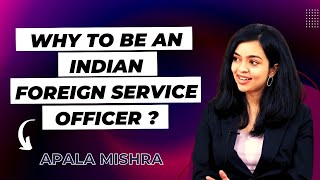
Helpful Resources
Articles and guides for deeper learning
Frequently Asked Questions
Quick answers to common questions
QWhat is the typical career progression for an IFS Officer?
The career progression typically starts from Third Secretary, moving up through Second Secretary, First Secretary, Counsellor, Deputy Chief of Mission, Ambassador, and High Commissioner. Promotions are based on seniority, performance, and vacancies.
QWhat are the key responsibilities of an IFS Officer?
Key responsibilities include representing India's interests abroad, conducting diplomatic negotiations, promoting trade and cultural relations, protecting Indian citizens living overseas, and reporting on political and economic developments in the host country.
QIs extensive travel expected for an IFS Officer?
Yes, IFS Officers are expected to serve in various diplomatic missions and posts abroad, which involves frequent international travel and postings in different countries throughout their careers.
Explore All 1,500+ Careers
Browse our full career explorer or take an assessment to get personalised recommendations.