Internal Medicine Specialist
Also known as: internist
An internal medicine specialist, or internist, is a doctor dedicated to preventing, diagnosing, and treating diseases in adults. They focus on the complex workings of the body's internal organs and systems, acting as primary care physicians for adults. Internists develop long-term relationships with their patients, often providing care throughout their lives and addressing conditions like heart disease, diabetes, and high cholesterol.
10
Skills to Learn
4
Career Levels
2
Top Companies
3
Education Paths
Sneak Peek
Ever wondered what it's like to be a medical detective, solving complex health puzzles for adults? Do you enjoy the challenge of diagnosing and treating a wide range of illnesses that affect the body's internal systems?
What does an Internal Medicine Specialist do?
An internal medicine specialist, or internist, is a doctor dedicated to preventing, diagnosing, and treating diseases in adults. They focus on the complex workings of the body's internal organs and systems, acting as primary care physicians for adults. Internists develop long-term relationships with their patients, often providing care throughout their lives and addressing conditions like heart disease, diabetes, and high cholesterol.
- Salary in India
- ₹10 to ₹20 lakh a year
- Demand
- Growing
- Remote work
- Hybrid
- Industry
- Healthcare
Is This Career For You?
Discover if your personality matches this career
Your Personality Fit (RIASEC)
You are driven to help others and find satisfaction in caring for people's well-being.
You enjoy solving complex problems and investigating the root causes of illnesses.
You appreciate structured processes and accurate record-keeping, which are important in patient management.
You are comfortable with hands-on work and applying practical knowledge to patient care.
While not the primary focus, creative problem-solving is used in diagnosing and treating unique patient cases.
This role is less about leadership and persuasion, and more about patient care and medical expertise.
You'll Love This Career If...
Like what you see? Get full access.
Save this career, compare with others, and get your personalized career plan.
50,000+ students already signed up
A Day in the Life
What your typical workday looks like
A typical day for an internist often involves seeing patients in an outpatient clinic. You might start your day reviewing patient charts, followed by appointments where you'll diagnose new conditions, manage chronic illnesses, and provide preventive care. This could involve anything from discussing lifestyle changes for diabetes management to interpreting test results for a heart condition. You'll also spend time coordinating care with other specialists, updating medical records, and sometimes visiting hospitalized patients to oversee their treatment.
Myth vs Reality
Tap to reveal the truth behind common misconceptions
Skills You'll Need
Master these to excel in this career
Technical Skills
3Diagnostic Skills
Ability to accurately diagnose medical conditions.
Research Skills
Skills to conduct and interpret medical research.
Clinical Skills
Practical skills required for patient care.
Soft Skills
4Communication Skills
Effective communication with patients, families, and healthcare teams.
Empathy
Ability to understand and share the feelings of patients.
Decision-Making
Ability to make informed decisions under pressure.
Collaboration
Ability to work effectively with a healthcare team.
Domain Skills
3Medical Knowledge
In-depth understanding of internal medicine and its applications.
Patient Management
Skills to manage patient care and treatment plans.
Ethical Judgement
Understanding and application of medical ethics.
Tools of the Trade
Software and tools you'll work with daily
Hardware
Stethoscope
Used to listen to internal body sounds, like heartbeats and breathing.
Diagnostic imaging equipment (X-ray, MRI, CT scanner)
Machines that create detailed images of the inside of the body to help diagnose conditions.
Blood pressure monitor
Device used to measure the pressure of blood in the circulatory system.
Software
Electronic Health Record (EHR) system
Digital versions of patient charts, used for recording and managing patient medical history and information.
Platform
Medical databases and research journals
Online resources and publications where the latest medical research and information are stored and accessed.
Want to build these skills?
Get a personalized learning roadmap and save careers that match your profile.
50,000+ students already signed up
Your Learning Path
Step-by-step guide to getting started
High School Foundation
Focus on science classes like biology, chemistry, and physics. Develop strong study habits and explore volunteer opportunities in healthcare settings to get a feel for the environment.
Undergraduate Studies
Complete a bachelor's degree, often in a science-related field. Excel in pre-medical coursework and gain experience through research, shadowing doctors, and community service.
Medical School (MBBS/MD)
This is a rigorous 4-5 year program covering all aspects of medicine, from basic sciences to clinical practice. It involves intense study, lab work, and initial patient interactions.
Residency Training
After medical school, you'll complete a residency in Internal Medicine, typically lasting 3-4 years. This is hands-on training in a hospital setting, focusing on diagnosing and treating a wide range of adult diseases.
Career Progression
How your career will grow over time
Medical Student
EntryStudents are enrolled in medical school, where they learn the foundational knowledge and skills required to practice medicine.
- Attend lectures and practical sessions
- Complete clinical rotations
- Study for medical licensing exams
Resident Physician
Mid-LevelResidents undergo specialized training in internal medicine, gaining hands-on experience in diagnosing and treating adult patients.
- Provide patient care under supervision
- Participate in rounds and case discussions
- Continue education through conferences and seminars
Internal Medicine Specialist
SeniorSpecialists diagnose and manage a wide range of adult health conditions, providing both preventive care and treatment for complex medical issues.
- Perform routine checkups and screenings
- Diagnose and treat illnesses
- Manage chronic conditions
- Prescribe medications and treatments
Senior Internal Medicine Specialist
LeadershipSenior specialists may take on leadership roles, such as heading a department or mentoring junior doctors, while continuing to provide high-level patient care.
- Lead medical teams and departments
- Mentor and train junior doctors
- Participate in research and contribute to medical literature
Education Paths
Bachelor's Degree
B.Sc./B.A.
Pre-medical studies
Doctoral Degree
M.D./D.O.
Medicine
Post-Doctoral
Residency
Internal Medicine
Top Hiring Companies
Salary & Future Growth
What you can earn and where the industry is headed
Salary Progression (INR)
Future Career OutlookCurrent Market: Growing
Internal medicine specialists are well-positioned for strong demand due to the increasing prevalence of chronic diseases and an aging population. They play a crucial role in managing complex adult illnesses and often serve as primary care providers or consultants, making them essential members of the healthcare system.
The demand for internal medicine specialists is projected to remain high in the medium to long term. Factors such as the growing burden of chronic diseases, an aging population, and the need for comprehensive adult healthcare will continue to drive employment opportunities. Their role in both primary care and specialized consulting ensures their continued relevance and necessity in healthcare.
In the very long term, internal medicine specialists will likely remain in high demand. Advances in medical technology and treatments may change some aspects of care, but the fundamental need for physicians who can diagnose and manage a wide range of adult health conditions will persist. Their adaptability and broad medical knowledge will be key to navigating future healthcare landscapes.
Not sure if Internal Medicine Specialist is right for you?
Talk to a Stride counsellor for personalised guidance on whether this career fits your interests, strengths, and goals.
Watch & Learn
Curated videos to help you explore

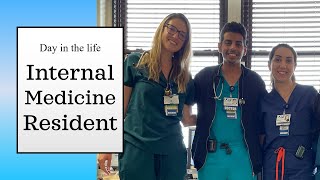


![Why You Should Pick Internal Medicine [Salary, Lifestyle, Satisfaction]](https://i.ytimg.com/vi/200jdYIrmnc/mqdefault.jpg)
Helpful Resources
Articles and guides for deeper learning
Frequently Asked Questions
Quick answers to common questions
QWhat is the typical training duration for an internal medicine specialist?
After completing medical school (MBBS), an internal medicine residency typically lasts for three years. Some may pursue further specialization, which adds additional years of training.
QWhat are the main responsibilities of an internal medicine specialist?
Internal medicine specialists diagnose and manage complex adult illnesses, provide primary care, and act as consultants for other physicians. They focus on a wide range of diseases affecting internal organs and help patients maintain healthy lifestyles.
QCan internal medicine specialists work in different settings?
Yes, internal medicine specialists have diverse opportunities and can work in hospital settings, private clinics, conduct research, or teach.
QWhat is the difference between internal medicine and family medicine?
While both deal with primary care, internal medicine focuses specifically on adults and their complex health issues, whereas family medicine encompasses all age groups, from infants to the elderly.
Explore All 1,500+ Careers
Browse our full career explorer or take an assessment to get personalised recommendations.