Internist
Also known as: Internal Medicine Physician, General Internist
An internist is a medical doctor who specializes in internal medicine. They are like the primary care physicians for adults, focusing on the diagnosis, treatment, and prevention of diseases affecting internal organs and systems. Internists manage a wide range of health conditions, from common illnesses to complex chronic diseases, often acting as the first point of contact for patients and coordinating care with other specialists when needed.
10
Skills to Learn
5
Career Levels
5
Top Companies
2
Education Paths
Sneak Peek
Ever wondered what it's like to be a detective for the human body, solving complex health mysteries? If you're fascinated by how the body works and enjoy piecing together clues to help people feel their best, a career as an internist might be your calling.
What does an Internist do?
An internist is a medical doctor who specializes in internal medicine. They are like the primary care physicians for adults, focusing on the diagnosis, treatment, and prevention of diseases affecting internal organs and systems. Internists manage a wide range of health conditions, from common illnesses to complex chronic diseases, often acting as the first point of contact for patients and coordinating care with other specialists when needed.
- Salary in India
- ₹10 to ₹20 lakh a year
- Demand
- Growing
- Remote work
- Hybrid
- Industry
- Healthcare
Is This Career For You?
Discover if your personality matches this career
Your Personality Fit (RIASEC)
You enjoy solving complex problems and are naturally curious about how things work, especially when it comes to the human body and diseases.
You have a strong desire to help others and find satisfaction in caring for people and improving their health and well-being.
You appreciate practical, hands-on tasks and are comfortable with the tools and procedures used in medical settings.
You are detail-oriented and can follow established protocols and procedures, which is important in medical record-keeping and treatment plans.
You can take initiative in patient care and may enjoy leadership roles within a medical team.
While not the primary focus, creativity can be applied to unique patient cases and finding innovative solutions.
You'll Love This Career If...
Like what you see? Get full access.
Save this career, compare with others, and get your personalized career plan.
50,000+ students already signed up
A Day in the Life
What your typical workday looks like
Your day typically starts early, perhaps reviewing patient charts and preparing for your first appointments. You might spend your morning seeing a variety of patients in an outpatient clinic – some for routine check-ups, others with new or ongoing health concerns. You'll listen to their symptoms, conduct physical exams, order tests like blood work or X-rays, and develop treatment plans. Afternoons could involve following up on test results, consulting with other doctors, or seeing more patients. You might also handle administrative tasks like updating medical records and communicating with patients via phone or secure messaging. Some internists also make hospital rounds to care for admitted patients.
Myth vs Reality
Tap to reveal the truth behind common misconceptions
Skills You'll Need
Master these to excel in this career
Technical Skills
3Medical Diagnosis
Ability to diagnose medical conditions accurately.
Clinical Procedures
Proficiency in performing various clinical procedures.
Electronic Health Records (EHR)
Proficiency in using electronic health record systems.
Soft Skills
5Patient Communication
Effective communication with patients to understand their symptoms and concerns.
Team Collaboration
Working effectively within a healthcare team.
Continuous Learning
Commitment to ongoing education and professional development.
Cultural Competency
Ability to provide care that is respectful of and responsive to individual patient preferences, needs, and values.
Leadership Skills
Ability to lead and manage a healthcare team.
Domain Skills
2Medical Research
Ability to conduct and understand medical research.
Medical Ethics
Understanding and application of medical ethics in practice.
Tools of the Trade
Software and tools you'll work with daily
Hardware
Stethoscope
Used to listen to internal body sounds, like heartbeats and breathing, to help diagnose conditions.
Blood Pressure Cuff
Measures blood pressure to monitor cardiovascular health and detect conditions like hypertension.
Diagnostic Imaging (X-ray, CT, MRI)
Tools used to create detailed images of the inside of the body to help identify diseases and injuries.
Laboratory Testing Equipment
Analyzes blood, urine, and other body fluids to provide crucial information about a patient's health.
Point-of-Care Ultrasound (POCUS)
Portable ultrasound devices used at the patient's bedside for rapid diagnostic assessments.
Software
Electronic Health Record (EHR) System
Digital versions of patients' paper charts, used to store and manage patient medical information, history, and treatment plans.
Artificial Intelligence (AI) Diagnostic Tools
Computer programs that help analyze medical data, images, and patient information to assist in diagnosis and treatment planning.
Want to build these skills?
Get a personalized learning roadmap and save careers that match your profile.
50,000+ students already signed up
Your Learning Path
Step-by-step guide to getting started
Build a Strong Science Foundation
Focus on biology, chemistry, and physics in high school. Take advanced placement (AP) or honors courses if available. These subjects are the building blocks for understanding the human body and medical science.
Excel in Pre-Medical College Courses
In college, major in a science field (like biology, biochemistry, or pre-med) and take courses such as general biology, general chemistry, organic chemistry, physics, and calculus. Get a strong GPA and prepare for the Medical College Admission Test (MCAT).
Complete Medical School and Residency
Attend a four-year medical school to earn an M.D. or D.O. degree. After medical school, complete a challenging three-year residency program in Internal Medicine to gain hands-on experience and specialized knowledge in adult medical care.
Specialize or Pursue Further Learning
After residency, you can choose to become a general internist or pursue a fellowship for further specialization in areas like cardiology, gastroenterology, or infectious diseases. Continuous learning through journals, conferences, and new research is crucial throughout your career.
Career Progression
How your career will grow over time
Medical Student
EntryCurrently studying medicine in medical school.
- Attending lectures and practical sessions
- Completing clinical rotations
- Studying for exams
- Participating in research projects
Intern
EntryCompleting the first year of residency training.
- Providing direct patient care under supervision
- Learning basic medical procedures
- Attending medical conferences and seminars
- Working on-call shifts
Resident
Mid-LevelCompleting residency training in internal medicine.
- Managing patient care independently
- Performing advanced medical procedures
- Teaching medical students
- Participating in research projects
Attending Physician
SeniorFully qualified internist practicing medicine.
- Diagnosing and treating patients
- Supervising residents and medical students
- Participating in hospital committees
- Conducting research and publishing findings
Chief of Medicine
LeadershipLeading the internal medicine department in a hospital.
- Overseeing patient care
- Managing department budget
- Recruiting and mentoring staff
- Collaborating with other departments
Education Paths
Bachelor's Degree
B.Sc
Biology
Professional Degree
M.D.
Internal Medicine
Top Hiring Companies
Salary & Future Growth
What you can earn and where the industry is headed
Salary Progression (INR)
Future Career OutlookCurrent Market: Growing
Internal medicine physicians, also known as internists, diagnose and treat a wide range of non-surgical conditions in adults. They are essential primary care providers and often serve as the first point of contact for patients seeking medical attention. The demand for internists is strong due to the growing and aging population, which increases the prevalence of chronic diseases that require long-term management.
The long-term outlook for internists remains very positive. Factors such as the increasing prevalence of chronic diseases, advancements in medical technology, and the overall growth of the healthcare sector will continue to drive demand. The emphasis on primary care and preventative medicine further solidifies the role of internists in the healthcare system.
Looking decades ahead, internists are expected to remain a cornerstone of healthcare. While AI and technological advancements may evolve diagnostic and treatment approaches, the need for human expertise, critical thinking, and patient-centered care in internal medicine will persist. The ability to manage complex, multifaceted adult health issues ensures their continued relevance.
Not sure if Internist is right for you?
Talk to a Stride counsellor for personalised guidance on whether this career fits your interests, strengths, and goals.
Watch & Learn
Curated videos to help you explore
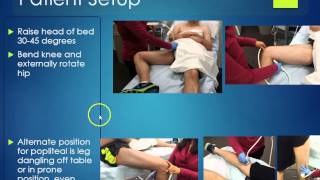
![Day in the Life - Internal Medicine Intern [Ep. 17]](https://i.ytimg.com/vi/ObQuJ2h9IpI/mqdefault.jpg)



Helpful Resources
Articles and guides for deeper learning
Frequently Asked Questions
Quick answers to common questions
QWhat is the typical work-life balance for an internist?
Work-life balance can vary. While some internists may have demanding schedules, particularly those in hospital settings or with large practices, many find opportunities for better balance through outpatient clinics, and some specialties within internal medicine, like geriatrics, are known for more predictable hours. The rise of hybrid work models in some aspects of healthcare may also offer more flexibility.
QWhat are the biggest challenges facing internists?
Challenges include managing a high volume of patients, dealing with complex chronic conditions, staying updated with medical advancements, administrative burdens, and potential for burnout. There's also the ongoing integration of new technologies like AI into practice.
QHow does AI impact the field of internal medicine?
AI is increasingly used as a tool to assist internists, particularly in analyzing large datasets for diagnosis, identifying patterns in patient data, and potentially streamlining administrative tasks. However, AI is not expected to replace the need for human judgment, empathy, and the holistic approach that internists provide.
Explore All 1,500+ Careers
Browse our full career explorer or take an assessment to get personalised recommendations.