Urology/Nephrology Technologist
Also known as: Nephrology Technician, Urology Technician, Renal Technologist
A Urology/Nephrology Technologist works alongside doctors to diagnose and treat conditions related to the urinary tract and kidneys. They operate advanced medical equipment, perform diagnostic tests like ultrasounds and lab analyses, and assist in treatments and procedures. This role is crucial for patient care, ensuring accurate diagnoses and effective treatment plans for a range of conditions from kidney stones to more complex diseases.
9
Skills to Learn
4
Career Levels
3
Top Companies
2
Education Paths
Sneak Peek
Ever wondered how doctors diagnose and treat complex kidney and urinary system issues? Do you have a knack for understanding how things work and a desire to help people feel better?
What does a Urology/Nephrology Technologist do?
A Urology/Nephrology Technologist works alongside doctors to diagnose and treat conditions related to the urinary tract and kidneys. They operate advanced medical equipment, perform diagnostic tests like ultrasounds and lab analyses, and assist in treatments and procedures. This role is crucial for patient care, ensuring accurate diagnoses and effective treatment plans for a range of conditions from kidney stones to more complex diseases.
- Salary in India
- ₹3 to ₹8 lakh a year
- Demand
- Growing
- Remote work
- Hybrid
- Industry
- Healthcare
Is This Career For You?
Discover if your personality matches this career
Your Personality Fit (RIASEC)
You are curious and like to solve problems, which is crucial for understanding medical conditions, procedures, and troubleshooting equipment.
You enjoy working with tools, machines, and the physical world, which aligns with the hands-on nature of assisting in medical procedures and handling equipment.
You enjoy helping people and working with others, which is a core aspect of being part of a surgical team and caring for patients.
You prefer structured environments and following procedures, which is essential for maintaining sterility and accuracy in surgical settings.
While not primarily about leadership or sales, there are opportunities for advancement and taking initiative in specialized roles.
This role doesn't heavily rely on creative expression, though attention to detail can be considered an artistic trait.
You'll Love This Career If...
Like what you see? Get full access.
Save this career, compare with others, and get your personalized career plan.
50,000+ students already signed up
A Day in the Life
What your typical workday looks like
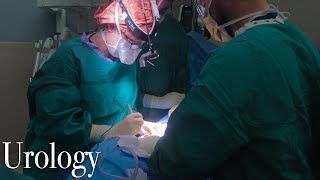
Your day might start with preparing patients for diagnostic tests, ensuring they're comfortable and understand the procedure. You'll then operate sophisticated imaging equipment like ultrasounds or CT scanners to capture detailed pictures of the kidneys and urinary system. Later, you could be assisting a doctor during a minimally invasive procedure, handling specialized instruments, or analyzing lab results to help pinpoint a diagnosis. You'll document everything meticulously, collaborating with nurses and physicians to ensure the patient receives the best care.
Myth vs Reality
Tap to reveal the truth behind common misconceptions
Skills You'll Need
Master these to excel in this career
Technical Skills
3Medical Equipment Operation
Proficiency in operating various medical equipment and instruments used in urology and nephrology.
Data Analysis
Ability to analyze and interpret medical data and test results.
Sterilization Techniques
Proficiency in sterilization techniques to maintain a sterile environment.
Soft Skills
4Patient Communication
Effective communication with patients to explain procedures, provide reassurance, and gather necessary information.
Team Collaboration
Working effectively within a healthcare team to provide comprehensive patient care.
Problem-Solving
Ability to troubleshoot and resolve issues that arise during procedures.
Continuous Learning
Commitment to ongoing education and staying updated with advancements in urology and nephrology.
Domain Skills
2Urological Procedures Knowledge
Understanding of urological and nephrological procedures and their implications.
Nephrology Procedures Knowledge
Understanding of nephrological procedures and their implications.
Tools of the Trade
Software and tools you'll work with daily
Hardware
Surgical Instruments
A wide variety of specialized tools used by surgeons during operations.
Sterilization Equipment
Machines and supplies used to ensure all instruments and the operating room are free from harmful microorganisms.
Operating Room Table
A specialized table that can be adjusted to position the patient correctly for surgery.
Patient Monitoring Systems
Equipment that tracks vital signs like heart rate, blood pressure, and oxygen levels during surgery.
Personal Protective Equipment (PPE)
Gowns, masks, gloves, and other gear to protect both the healthcare team and the patient.
Software
Medical Supply Catalogs/Databases
Digital systems used to track, order, and manage surgical supplies and equipment.
Want to build these skills?
Get a personalized learning roadmap and save careers that match your profile.
50,000+ students already signed up
Your Learning Path
Step-by-step guide to getting started
Build a Strong Science Foundation
Focus on biology, anatomy, and chemistry in high school. Understanding how the body works, especially the renal and urinary systems, is key.
Pursue a Surgical Technology Program
Enroll in an accredited surgical technology program. These programs teach you about sterile techniques, medical instruments, anatomy, and patient care, often taking 12-18 months.
Gain Clinical Experience
Participate in clinical rotations during your training program. This hands-on experience in real operating rooms is crucial for developing practical skills and understanding the workflow.
Seek Specialization and Certification
After gaining experience, consider specializing in areas like urology or nephrology. Obtaining certifications can enhance your expertise and career opportunities.
Career Progression
How your career will grow over time
Dialysis Technician
EntryAssists with dialysis procedures and manages patients with kidney failure.
- Operate dialysis machines
- Monitor patient vital signs
- Maintain dialysis equipment
Senior Dialysis Technologist
Mid-LevelSupervises junior technicians and ensures the smooth operation of dialysis procedures.
- Train junior staff
- Manage dialysis schedules
- Ensure compliance with safety protocols
Dialysis Incharge or Supervisor
SeniorOversees the entire dialysis unit and coordinates with other healthcare professionals.
- Manage dialysis unit operations
- Coordinate with nephrologists and nurses
- Ensure quality patient care
Clinical Coordinator
LeadershipLeads the clinical team and ensures the implementation of best practices in dialysis care.
- Develop clinical protocols
- Lead team meetings
- Monitor patient outcomes
Education Paths
Post-Secondary Certificate/Diploma
Diploma in Dialysis Technology
Nephrology/Urology
Bachelor's Degree
BSc in Dialysis Technology
Nephrology/Urology
Top Hiring Companies
Salary & Future Growth
What you can earn and where the industry is headed
Salary Progression (INR)
Future Career OutlookCurrent Market: Growing
The demand for nephrology and urology technologists is expected to grow due to the increasing prevalence of kidney diseases and the aging population. Advances in medical technology and the expanding use of telemedicine in healthcare are also contributing to a positive outlook.
The long-term outlook for urology/nephrology technologists remains strong, driven by ongoing advancements in diagnostic and treatment technologies, an increasing focus on preventative care for kidney health, and the integration of artificial intelligence in medical imaging and patient monitoring. The expansion of telehealth services will also likely create more opportunities for remote patient support and data management.
As medical science continues to evolve, roles focused on specialized organ systems like the kidneys will remain essential. The field is likely to see further integration of advanced technologies, requiring skilled professionals to operate and interpret sophisticated equipment. The increasing global burden of chronic diseases, including kidney-related conditions, ensures a sustained need for these specialists.
Not sure if Urology/Nephrology Technologist is right for you?
Talk to a Stride counsellor for personalised guidance on whether this career fits your interests, strengths, and goals.
Watch & Learn
Curated videos to help you explore


Helpful Resources
Articles and guides for deeper learning
Frequently Asked Questions
Quick answers to common questions
QWhat kind of technology is used in nephrology?
Nephrology utilizes a range of technologies, including dialysis machines, advanced imaging equipment like ultrasound and CT scanners, laboratory analysis tools for blood and urine samples, and increasingly, telemedicine platforms for remote patient monitoring and consultations. Innovations also include devices for estimating certain biomarkers non-invasively, such as using saliva or tear fluid.
QWhat are the main responsibilities of a nephrology technologist?
A nephrology technologist's responsibilities often include operating and maintaining dialysis equipment, preparing patients for treatments, monitoring them during procedures, performing diagnostic tests, and assisting physicians with various medical procedures. They also play a role in managing patient data and ensuring the smooth operation of nephrology-related medical equipment and services, including those delivered via telemedicine.
QWhat is 'telenephrology'?
'Telenephrology' refers to the use of telemedicine in the field of nephrology. It involves using communication technologies to provide kidney care remotely, which can include remote patient monitoring, virtual consultations, and the use of devices that allow for data collection outside of traditional clinical settings, aiming to improve access and efficiency of care.
Explore All 1,500+ Careers
Browse our full career explorer or take an assessment to get personalised recommendations.