Interventional Radiographer
Also known as: IR Tech, IR Technologist
Interventional Radiographers work alongside Interventional Radiologists to perform minimally invasive procedures using advanced imaging guidance. They help patients with a wide range of conditions, from blocked blood vessels to tumors, using techniques like angioplasty, stenting, and embolization. It
10
Skills to Learn
4
Career Levels
5
Top Companies
3
Education Paths
Sneak Peek
Ever wondered how doctors can see inside your body to fix problems without major surgery? Interventional Radiology uses amazing technology to do just that! If you
What does an Interventional Radiographer do?
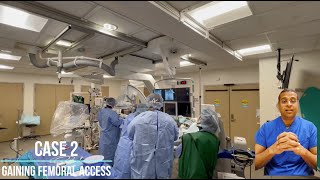
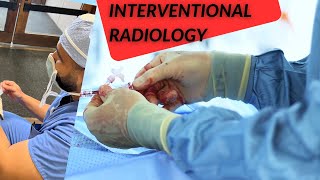
Interventional Radiographers work alongside Interventional Radiologists to perform minimally invasive procedures using advanced imaging guidance. They help patients with a wide range of conditions, from blocked blood vessels to tumors, using techniques like angioplasty, stenting, and embolization.
- Salary in India
- ₹3.5 to ₹10 lakh a year
- Demand
- Growing
- Remote work
- Location-Bound
- Industry
- Healthcare
Is This Career For You?
Discover if your personality matches this career
Your Personality Fit (RIASEC)
Enjoy learning and solving complex problems.
Enjoy working with your hands and with tools, and being physically active.
Enjoy following procedures and working with data.
Enjoy helping and teaching others.
Enjoy leading and persuading others.
Enjoy self-expression and creativity.
You'll Love This Career If...
Like what you see? Get full access.
Save this career, compare with others, and get your personalized career plan.
50,000+ students already signed up
A Day in the Life
What your typical workday looks like
Your day might involve preparing patients and equipment for procedures, assisting the radiologist during complex minimally invasive treatments using X-ray or ultrasound guidance, and monitoring the patient
Myth vs Reality
Tap to reveal the truth behind common misconceptions
Skills You'll Need
Master these to excel in this career
Technical Skills
5Image Interpretation
Ability to analyze and understand medical images.
Radiology Equipment Operation
Proficiency in operating radiology machines.
Minimally Invasive Procedures
Skill in performing minimally invasive procedures.
Radiation Safety
Knowledge of radiation safety protocols.
Specialized Procedures
Proficiency in specialized interventional radiology procedures.
Soft Skills
4Patient Communication
Skill in communicating effectively with patients.
Team Collaboration
Ability to work effectively in a team environment.
Critical Thinking
Ability to think critically and solve problems.
Continuous Learning
Commitment to ongoing education and professional development.
Domain Skills
1Anatomy Knowledge
Understanding of human anatomy and physiology.
Tools of the Trade
Software and tools you'll work with daily
Hardware
X-ray Imaging Systems
Used to create real-time X-ray images during procedures.
C-arm Fluoroscopy Machine
A mobile X-ray imaging device used for real-time imaging during minimally invasive procedures.
Angiography Catheters and Wires
Specialized tools used to navigate blood vessels and deliver treatments.
Contrast Media Injectors
Automated devices that precisely deliver contrast agents for imaging.
Patient Monitoring Equipment
Devices that track vital signs like heart rate, blood pressure, and oxygen levels.
Software
Medical Imaging Software
Software used to process, display, and analyze medical images.
Platform
Picture Archiving and Communication System (PACS)
A system for storing, retrieving, and distributing medical images.
Want to build these skills?
Get a personalized learning roadmap and save careers that match your profile.
50,000+ students already signed up
Your Learning Path
Step-by-step guide to getting started
High School Foundation
Focus on science classes like biology, chemistry, and physics. Develop strong math skills and English for clear communication.
Radiologic Technology Program
Complete an accredited Associate's or Bachelor's degree in Radiologic Technology. Learn the basics of medical imaging and patient care.
Gain Experience and Certification
Obtain ARRT certification in radiography. Gain hands-on experience in a hospital or clinic setting, focusing on fluoroscopy and patient interaction.
Specialization in Interventional Radiology
Pursue specialized training or an Associate's degree in Interventional Radiologic Technology. Obtain advanced certifications like ARRT(VI) or CIIP, and gain experience assisting in interventional procedures.
Career Progression
How your career will grow over time
Junior Interventional Radiographer
EntryPerforms basic image-guided procedures under supervision.
- Assist in minimally invasive procedures
- Prepare patients for procedures
- Operate imaging equipment
- Ensure patient safety during procedures
Interventional Radiographer
Mid-LevelPerforms a range of image-guided procedures with moderate supervision.
- Conduct complex imaging procedures
- Collaborate with radiologists and other medical staff
- Maintain accurate patient records
- Ensure compliance with safety protocols
Senior Interventional Radiographer
SeniorLeads and performs advanced image-guided procedures with minimal supervision.
- Supervise junior staff
- Develop and implement procedural protocols
- Participate in continuous professional development
- Advise on new imaging technologies
Chief Interventional Radiographer
LeadershipOversees the entire interventional radiology department and leads strategic initiatives.
- Manage departmental operations
- Lead research and development projects
- Ensure adherence to regulatory standards
- Mentor and develop staff
Education Paths
Bachelor's Degree
BSc in Radiography
Radiography
Post-Secondary Certificate/Diploma
Diploma in Radiography
Radiography
Post-Secondary Certificate/Diploma
Diploma in Interventional Radiography
Radiography
Top Hiring Companies
Salary & Future Growth
What you can earn and where the industry is headed
Salary Progression (INR)
Future Career OutlookCurrent Market: Growing
The demand for interventional radiographers is strong, with a growing need for skilled professionals to perform minimally invasive procedures. The field is constantly evolving with new technologies and techniques.
The medium to long-term outlook for interventional radiographers is very positive. Advances in medical technology and an aging population will continue to drive demand for these specialized procedures. AI integration is also expected to enhance efficiency and capabilities within the field.
The future of interventional radiology is bright, with a continued emphasis on minimally invasive techniques. As medical science advances, interventional radiographers will likely play an even more critical role in diagnosis and treatment across various medical disciplines. The integration of AI and robotics suggests a future with enhanced precision and expanded treatment options.
Not sure if Interventional Radiographer is right for you?
Talk to a Stride counsellor for personalised guidance on whether this career fits your interests, strengths, and goals.
Watch & Learn
Curated videos to help you explore



Helpful Resources
Articles and guides for deeper learning
Frequently Asked Questions
Quick answers to common questions
QWhat is the typical work environment for an interventional radiographer?
Interventional radiographers primarily work in hospital settings, in specialized imaging suites or operating rooms where procedures are performed.
QWhat are the key responsibilities of an interventional radiographer?
Key responsibilities include assisting interventional radiologists during procedures, operating imaging equipment, preparing patients, and ensuring proper patient care and safety.
QWhat kind of education is required to become an interventional radiographer?
Typically, a degree in radiologic technology is required, followed by specialized training or certification in interventional radiography.
QHow does artificial intelligence impact interventional radiology?
AI is being integrated to enhance precision, automate tasks like catheter manipulation, improve image analysis, and optimize treatment planning, ultimately aiming to improve patient outcomes and procedural efficiency.
Explore All 1,500+ Careers
Browse our full career explorer or take an assessment to get personalised recommendations.